The ACT Green’s Building the Better Normal policy
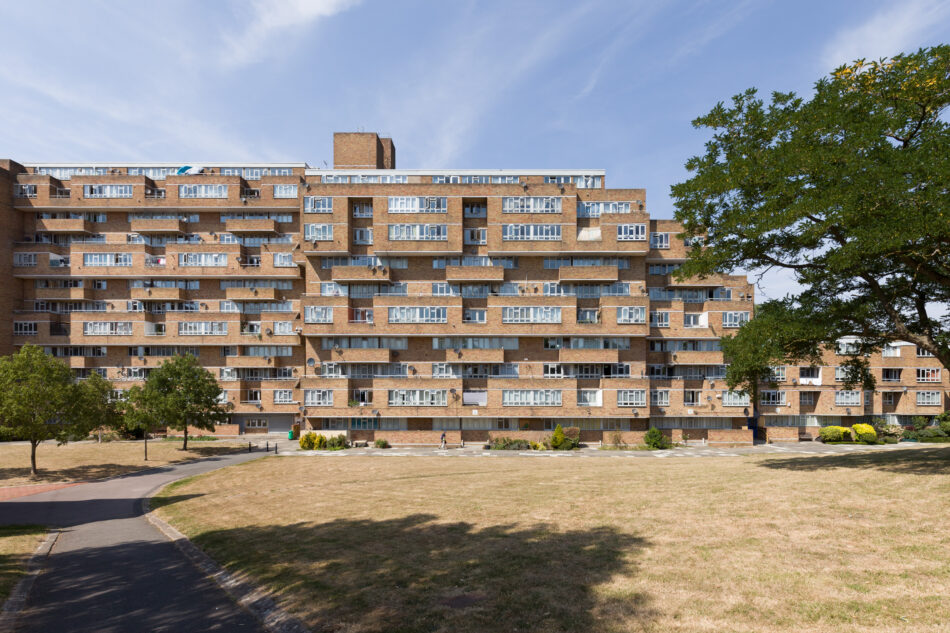
Recently I was sent a real estate advertisement for a rooftop unit on Northbourne Avenue Canberra.
Recently I was sent a real estate advertisement for a rooftop unit on Northbourne Avenue Canberra.
There’s an ACT government standing committee on planning, transport and city services, headed up by Greens MLA Jo Clay that has asked the community to make submissions on the current draft planning bill.
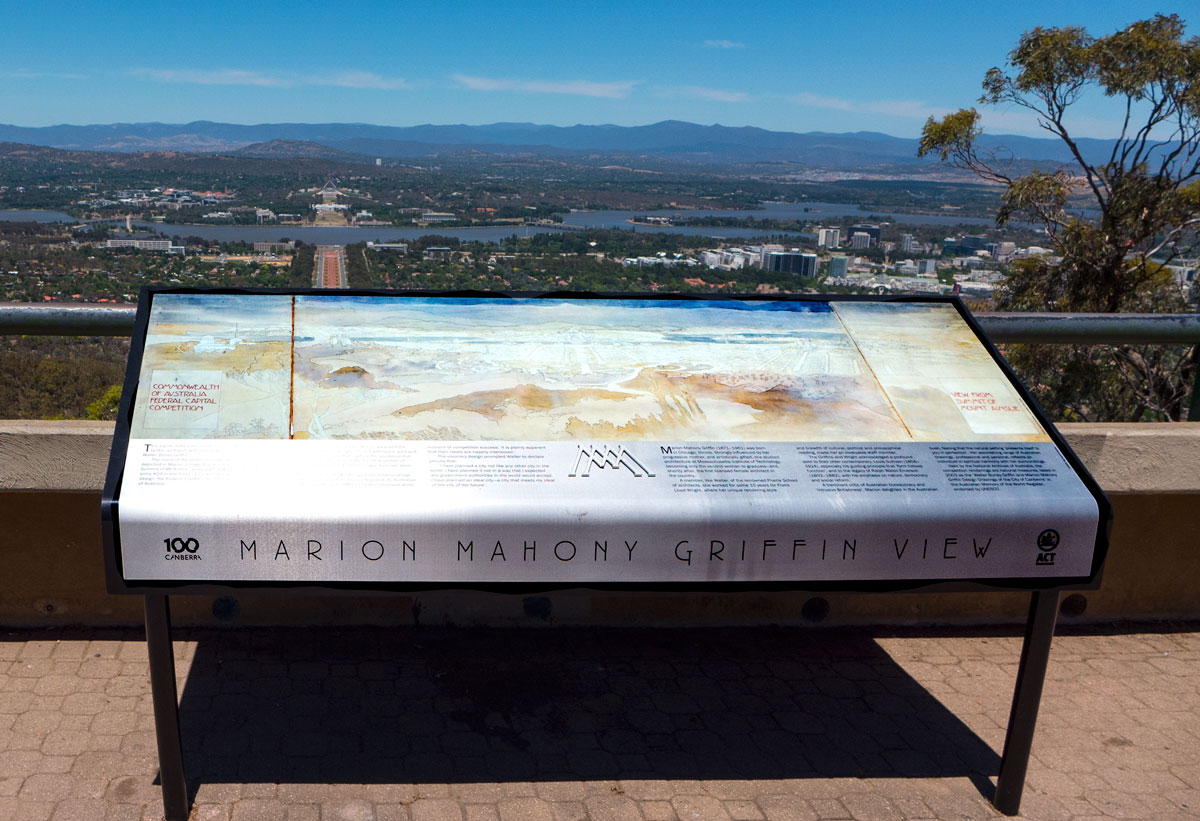
When Marion Mahony Griffin provided those glorious drawings for the submission to design Canberra, she included a distant view of the mountains.
Continue reading Marion Mahony Griffin’s vision for Canberra
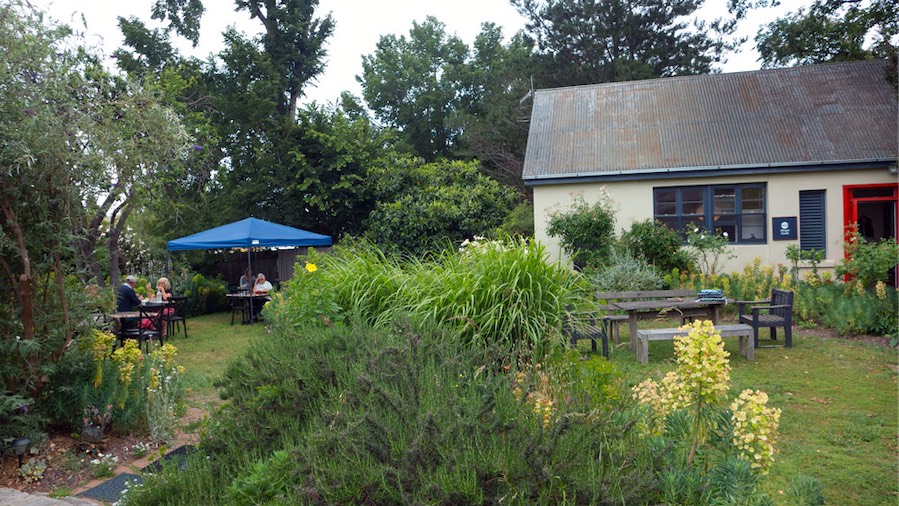
Earlier this month we ventured out for the day to meet a friend at Braidwood. She was from the south coast and so Braidwood meant we both travelled just over an hour.
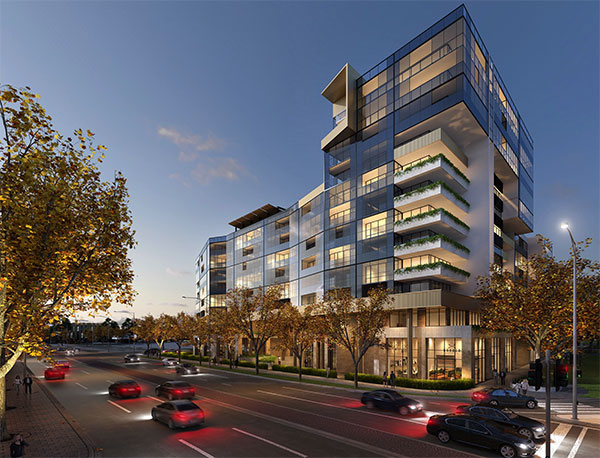
If there is one occupation that I could not imagine doing, it is being an ACT Government planner who spends most of the day looking through development applications (DA) for commercial developments.
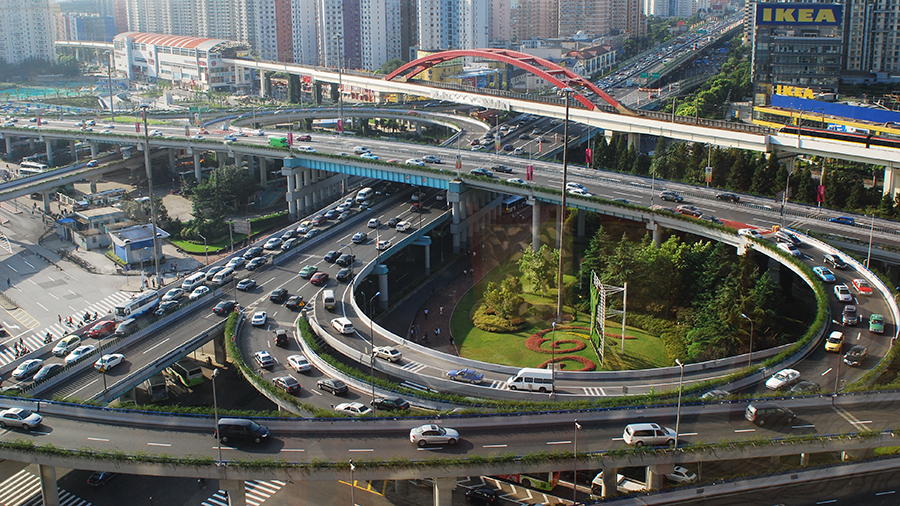
Interesting read – but I think they let the architects off too easily. Click here.
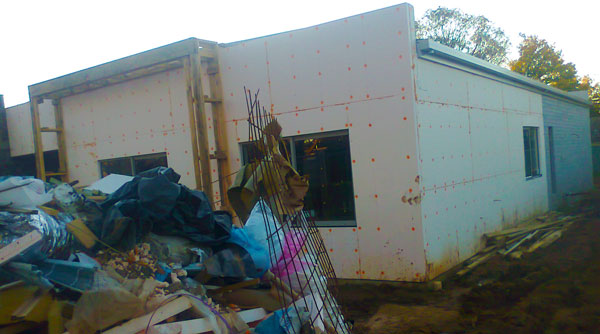
Talking to locals in the last weeks there were stories of that knock on the door and the offer to buy the house. The reactions were a little different and also similar.

oh how we wish we could believe the Minister and the building industry spokespersons – of course here in Canberra we have the laws in place! But – we all know better than that.
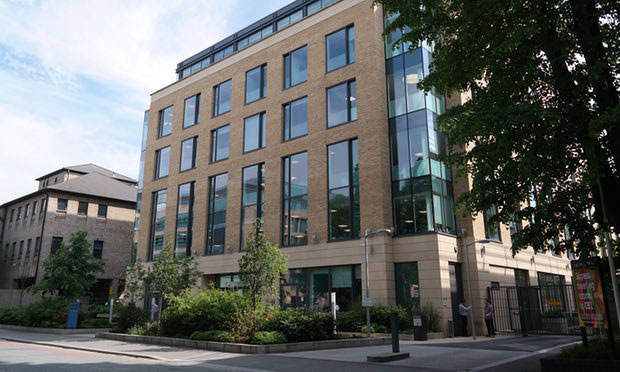
Sad story from Manchester. Lesson? – watch out for the spin when developments are announced. click here
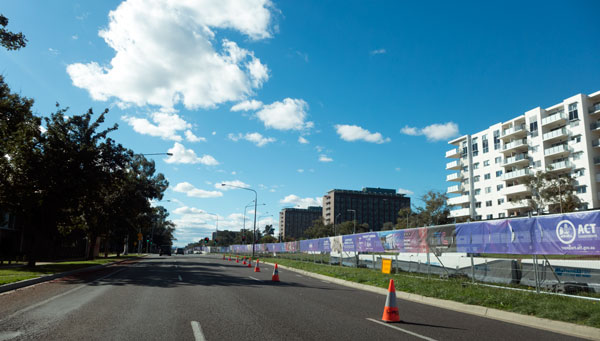
About the architecture along Northbourne Avenue
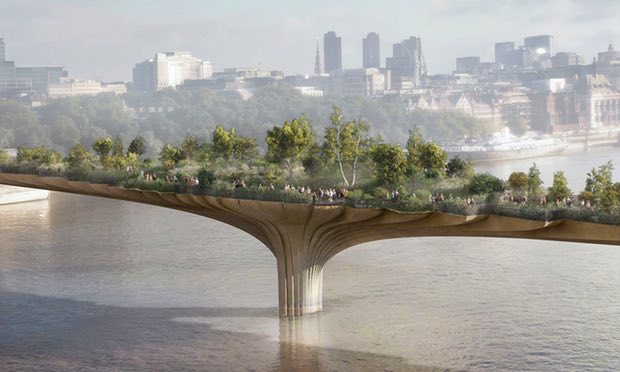
The saga of the proposed Garden Bridge over the Thames in London has been well covered in the UK press. It is indeed a saga. It is about a folly.
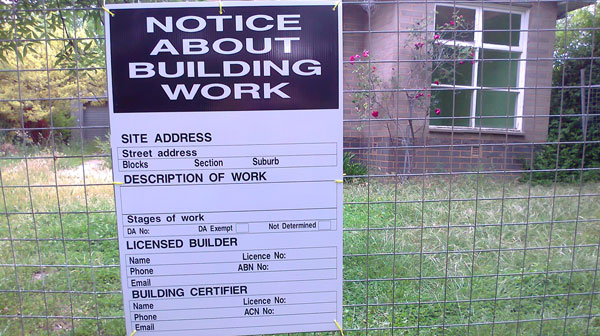
It was several months ago that the suburbs were being infiltrated regularly by ACT politicians trying to get attention – anyone’s attention.
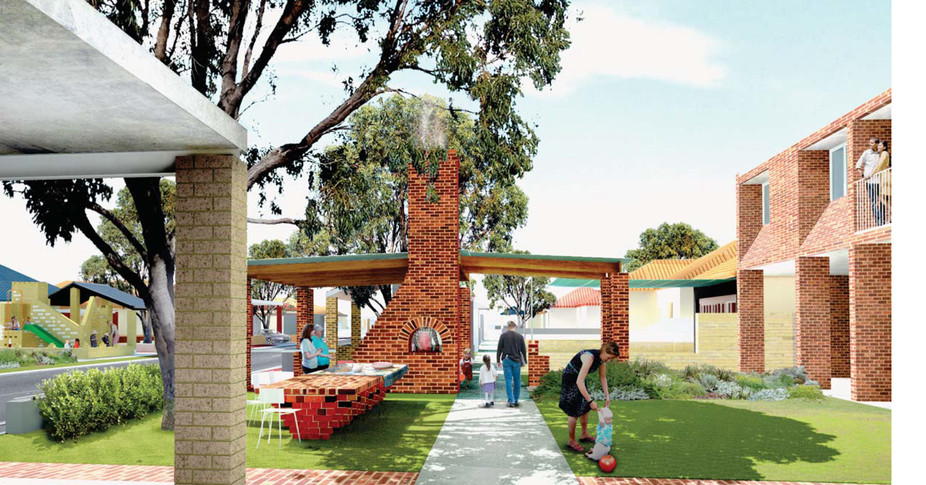 Grace Mortlock, University of Technology Sydney and David Neustein, University of Technology Sydney; republish from The Conversation
It took about three hours of argument on Friday 28th October for a decision by the ACT Civil and Administrative Tribunal (ACAT) on whether certain government planning documents should be released to those making objections to the Government’s agreement to the revised Development Application (DA) for the Dickson supermarket.
Continue reading Lawyers, files and money–and those responsible for this mess
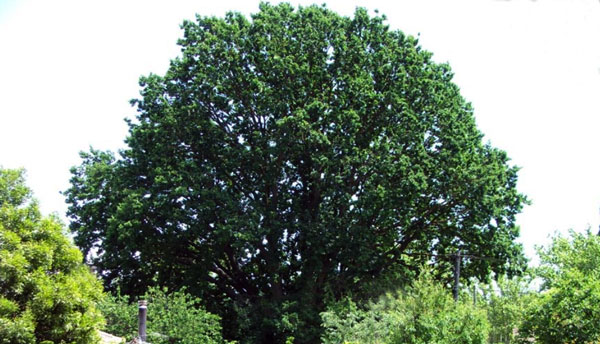
This is a tale of an entrepreneur, a tree and a possible (lost?) good planning opportunity.
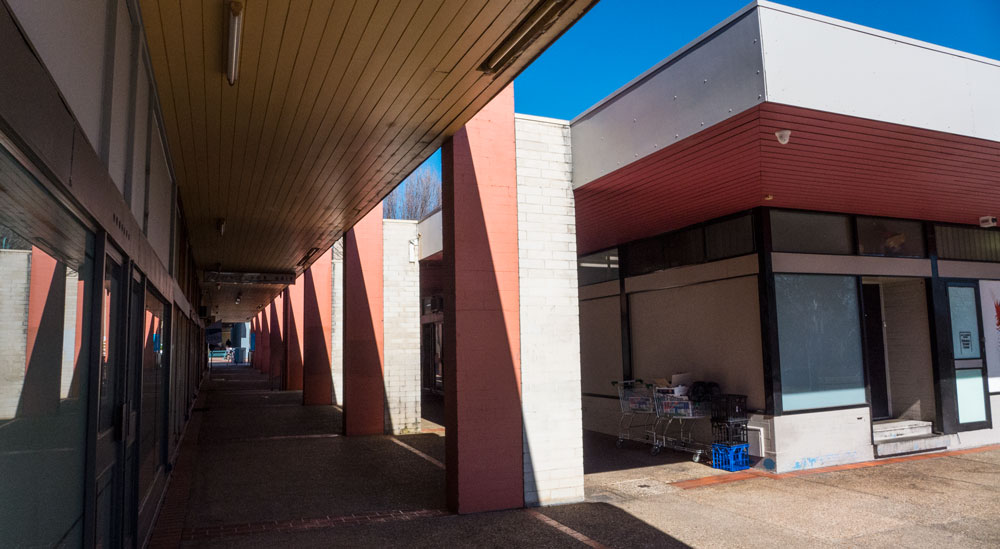
Earlier this year we drove south to the Mawson shops (Southlands) to shop at one of the specialist supermarkets as well as to take in a Middle Eastern brunch.
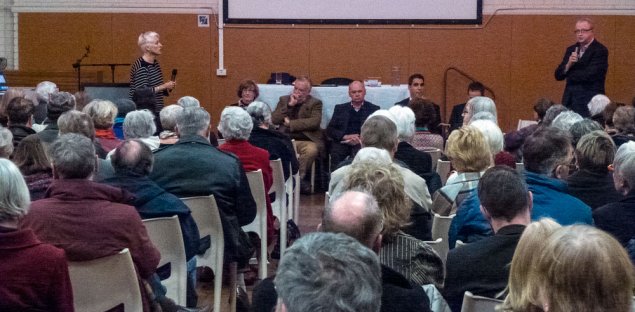
When about 250 citizens venture out on a cold night to hear about plans for the foreshores of West Basin one would expect that they would be taken seriously.
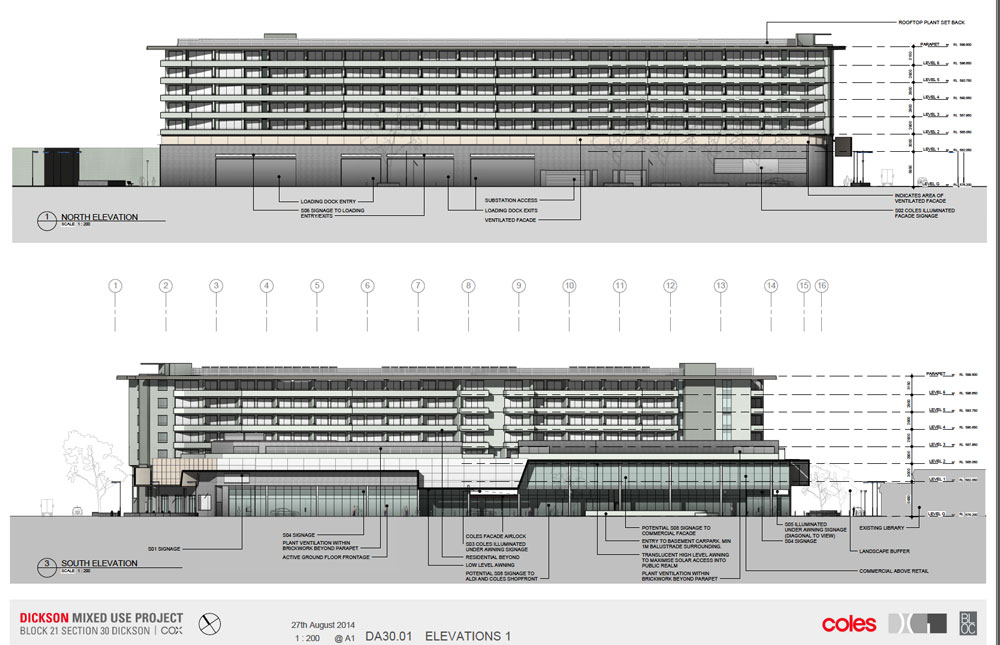
Following the disappointing actions by the ACT Government to approve what remains a very questionable development application for a major mixed use development on the flagship shopping centre site in Dickson, appeals are being jointly lodged by the landlord of the Woolworths supermarket plus key local community associations.
 Streetfight: Handbook for an Urban Revolution
Author: Sadik-Khan, Janette; Solomonow, Seth
New Book – here’s text from the publishers: As New York City’s transportation commissioner, Janette Sadik-Khan managed the seemingly impossible and transformed the streets of one of the world’s greatest, toughest cities into dynamic spaces safe for pedestrians and bikers.

It has been absolutely no surprise that the ACCC has given the go-ahead for Coles to buy out five Supabarn stores, with three of them being here in Canberra.
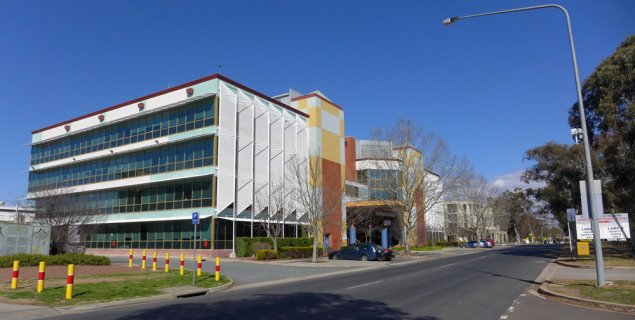
Canberra is a city where residents are continually at odds with the ACT’s planning and development agencies.
Continue reading Canberra Tales: Planners bend their own rules
 Seven Myths About New Urbanism: Joel Kotkin, a fellow at Chapman University and an untiring defender of the suburbs, begins a recent column in the Washington Post with a valid question: “What is a city for?” He then proceeds to get that question completely wrong. But really, we should be thanking him. In his article, he neatly sums up many of the key myths emerging from the anti-urbanism set, making the job of debunking these myths a lot easier. Click here.
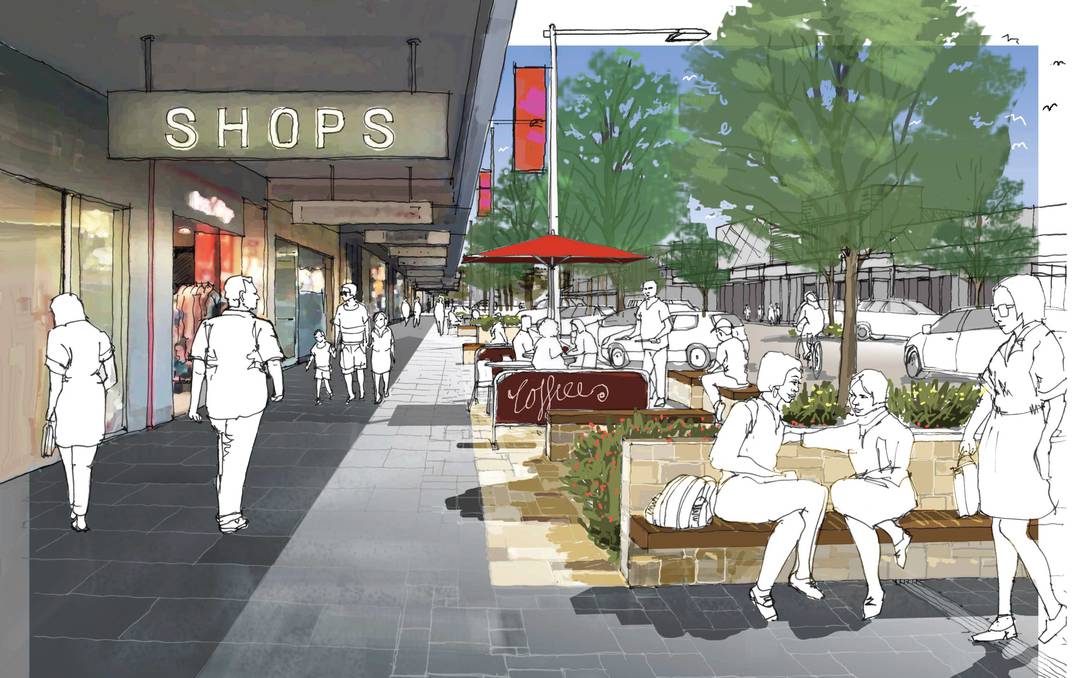
Locally the planning authority is notorious for carry out all forms of planning with no real interest in the present residents and no interest in the urban character. It is left to the developers to define how the suburbs of Canberra will look in the future.
 There is a very hard-hitting article in the August 2014 issue of The Monthly on how the two large supermarkets have been allowed to rip anyone and everyone off. Even more depressing is that it points to how we, as consumers, are continuing to allow this to happen.
The major point raised by the article is how this dominance of the two of these supermarkets has reduced the food security in this country.
City main street networks show a drastic shift away from historic patterns of human-scale design
Have you ever wondered why some places seem built for automobiles as opposed to humans?
In a recent study, J. Alexander Maxwell and fellow researchers from the University of Strathclyde’s Urban Design Studies Unit find evidence that before the rise of the automobile, cities developed on a walkable “human” scale, with main streets that rarely exceeded 400 meters (a little more than 437 yards).
Along with Charles R. Wolfe, they argue that this uniformity reveals an underlying pattern to pedestrian city settings, which should be considered in contemporary urban design and policies.
The Huffington Post presents a wonderfully optimistic report about a city that is often regarded as being a terrible example of urban development. I disagree. It has many things wrong with it but if you spend time there you can see that there are some really great things happening. All cities have their problems and many do not much to boast about.
There’s many a piece of research and publication about the links between access to parks and people’s health and wellbeing. Any urban area that includes ample public green spaces will always be sought after and the benefits are evident in the community attitudes towards their residential areas. Parks enhance the sense of community.

Most Australian urban areas usually have had parks provided as part of the urban infrastructure. However in too many cases these parks and open spaces end up not being maintained well and sadly many also become places of neglect.
Happy City, Charles Montgomery, 2013
 From the blurb online:
“A brilliant, entertaining and vital book. Montgomery deftly leads us from our misplaced focus on money, cars and stuff to consider what makes us truly happy. Then everything changes – the way we live, work and play in humanity’s major habitat, the city.” – David Suzuki
After decades of unchecked sprawl, more people than ever are moving back to the city. Dense urban living has been prescribed as a panacea for the environmental and resource crises of our time. But is it better or worse for our happiness? Are subways, sidewalks and tower dwelling an improvement on the car-dependence of sprawl?
for more on the book – click here – or for a full review – see the article in Metropolis Online – click here
This is a link to a review on the online Magazine: Metropolis.
 I was attracted to this as I believe in suburbia but get very annoyed (or is that angry) about the way current planning and development agencies have gone about ruining concept of suburbia through their lack of care for developing sustainable settlements.
This new book is a comprehensive history that rescues the garden suburb from the periphery of urban design, and repositions it at the heart of the debate on cities.
Developed by the American Society of Landscape Architects, this presentation will assist advocacy to deal with the forecasted food shortages as climate change kicks in. The presentation demonstrates how to turn a conventional community into an edible city. Learn how to transform unproductive spaces into agricultural landscapes that help fight obesity and reduce food deserts. Make sure you note the address and send it onto anyone in decision making roles.
Developed by the American Society of Landscape Architects, this presentation should assist anyone with their advocacy for Revitalizing Cities with Parks. In these times of reactionary governments and tight budgets, it is important to maintain efforts to introduce the simple idea to create more parks.
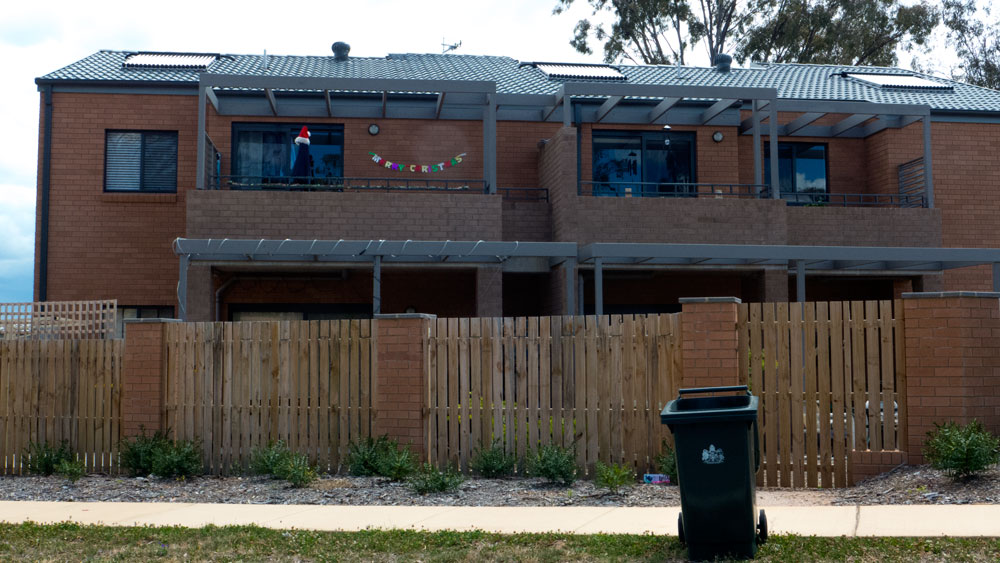 I was attending a meeting of combined community council two years ago, when to members of the public who were in attendance made very similar appeals. Both were very upset with the quality of the redevelopments that had appeared within their street, despite the local communities objections about key aspects of the developments.
As far as I could ascertain, they were not necessarily opposed to the infill of their suburb. It was more about the nature of the apartments being built.
Developed by the American Society of Landscape Architects, this presentation will assist advocacy for more resource allocation for urban forests. Governments need to deal with climate change in the urban areas, and dealing with urban forests is a good place to concentrate some resources. The urban forest issues are linked to the population’s health and wellbeing and avoiding heat island effects.
Despite all the evidence and all the advocacy, our political leaders are still not up to the challenge of dealing with something that is a threat to life as we have come to know it here on this planet. True leadership seems to be in short supply these days.
There are a host of professions that could be showing much greater leadership. Many have learnt to be spin doctors and have filled pages with their commitments and their policies. All this is very nice and very polite.
While sustainable settlements debates more often than not focus on such key issues as climate change, carbon, energy, green infrastructure, weather etc, emphasis must also remain on the rights of children to have access to play.
It is overdue that planning and development legislation to be inclusive of the ‘need to create time and space for children to engage in spontaneous play, recreation and creativity, and to promote societal attitudes that support and encourage such activity’ (1989 UN Convention on the Rights of the Child article 31).
The problem has been that play has been a separated issue for planning. At worst it is a token of optional matter to be addressed. The contemporary view is that whether the planning is for a street, a park, a suburb or any form of redevelopment of urban areas, play and the rights for children to have access to safe and engaging recreation must be as important as the rest of the requirements. This is rarely the case.
(cross posted from our other blog)
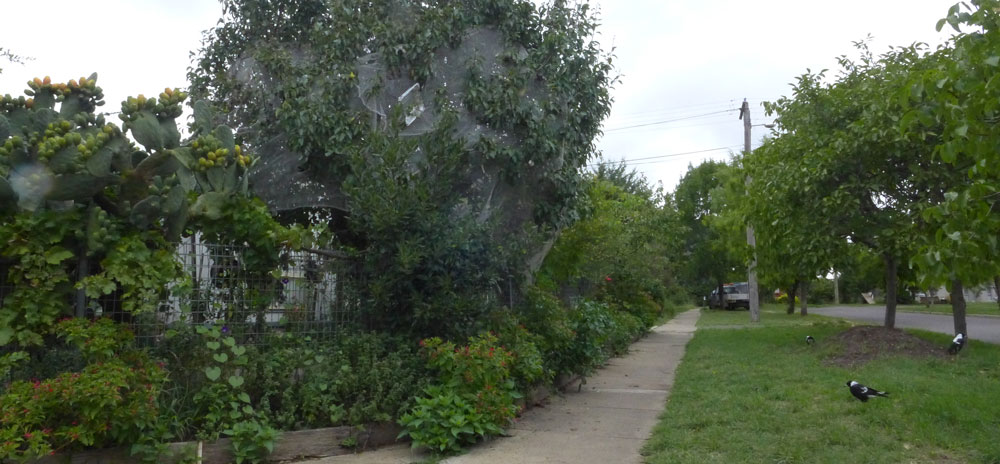
If cities look to stay within their boarders, there is the need to seek acceptable ways to intensify the number of residents within the older suburbs. This requires an intelligent engagement with the present residents of suburban areas on a case by case basis.
Given the need to address climate change within the suburbs as they are being redeveloped and upgraded throws up a host of requirements that should have by now have been built into legislation. Sadly this is not so as most of the re-development and intensification as been left to laissez-faire market forces.