This piece as originally published in 2022
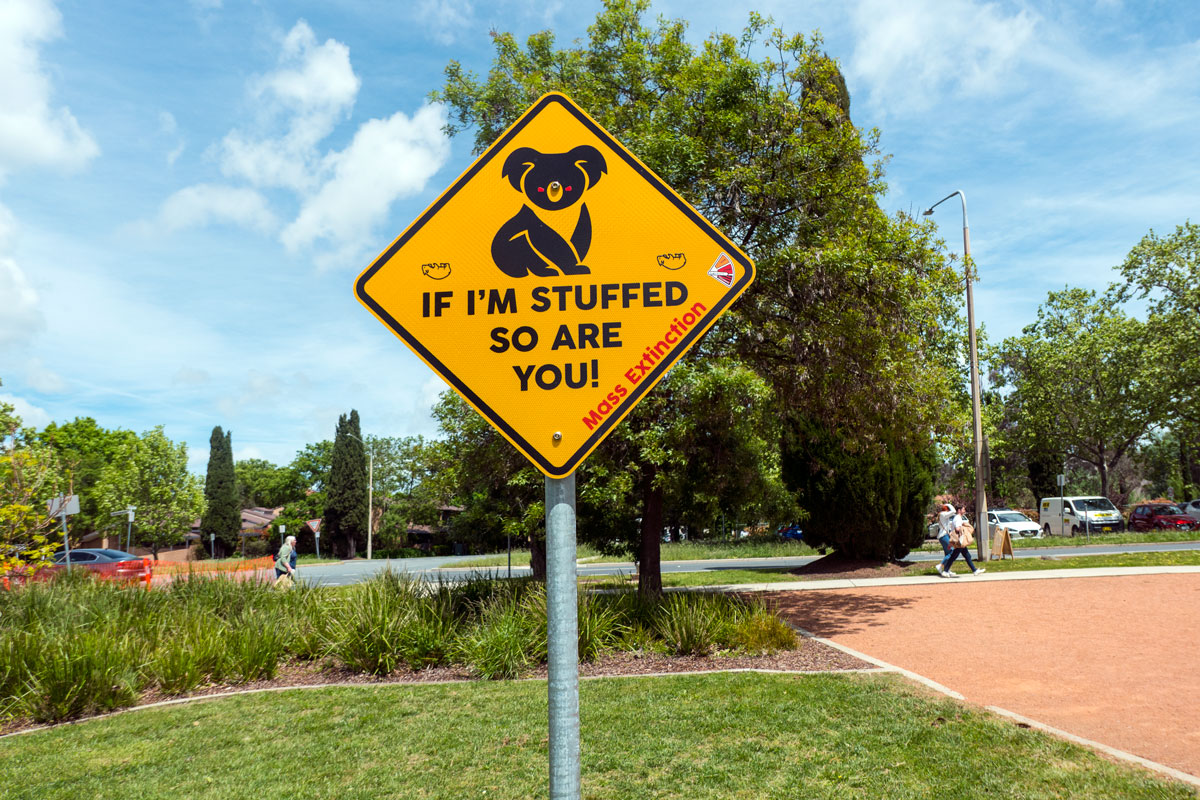
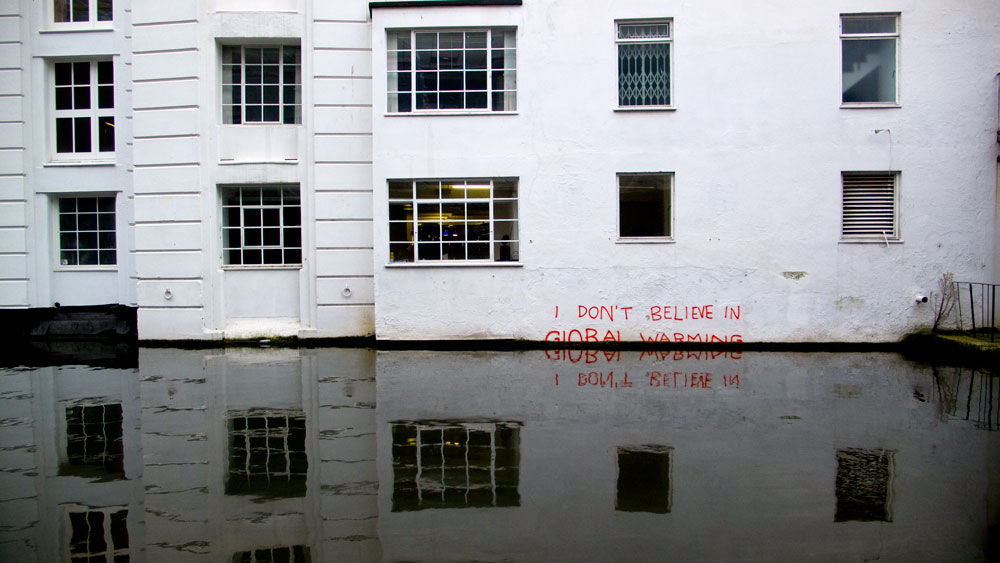
Looking at the creative political sign in front of the Kingston Glass Workshop in October (now removed), the message was clear.
Continue reading Does Clive Hamilton value his own backyard?
This piece as originally published in 2022
Looking at the creative political sign in front of the Kingston Glass Workshop in October (now removed), the message was clear.
Continue reading Does Clive Hamilton value his own backyard?
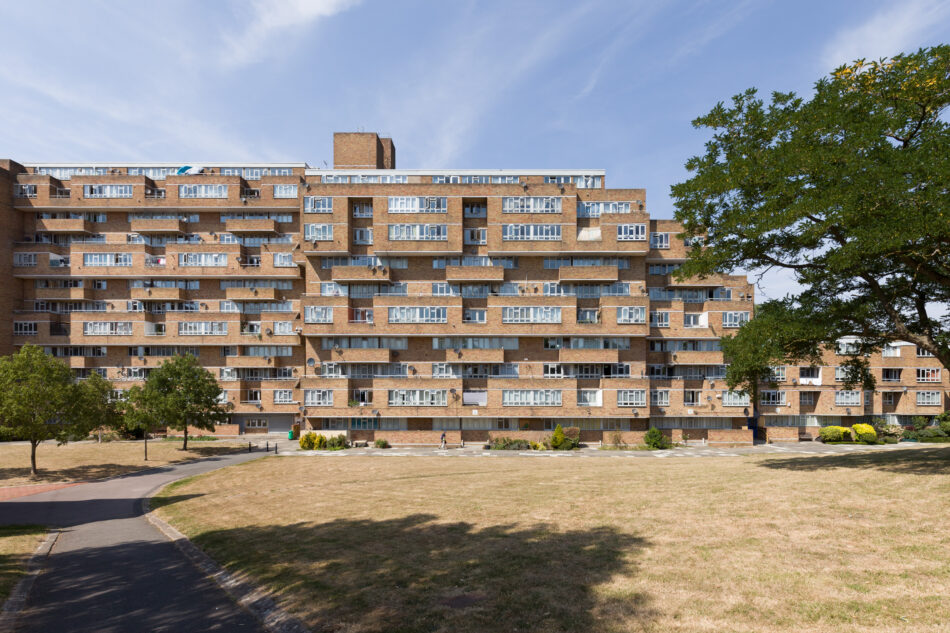
Recently I was sent a real estate advertisement for a rooftop unit on Northbourne Avenue Canberra.
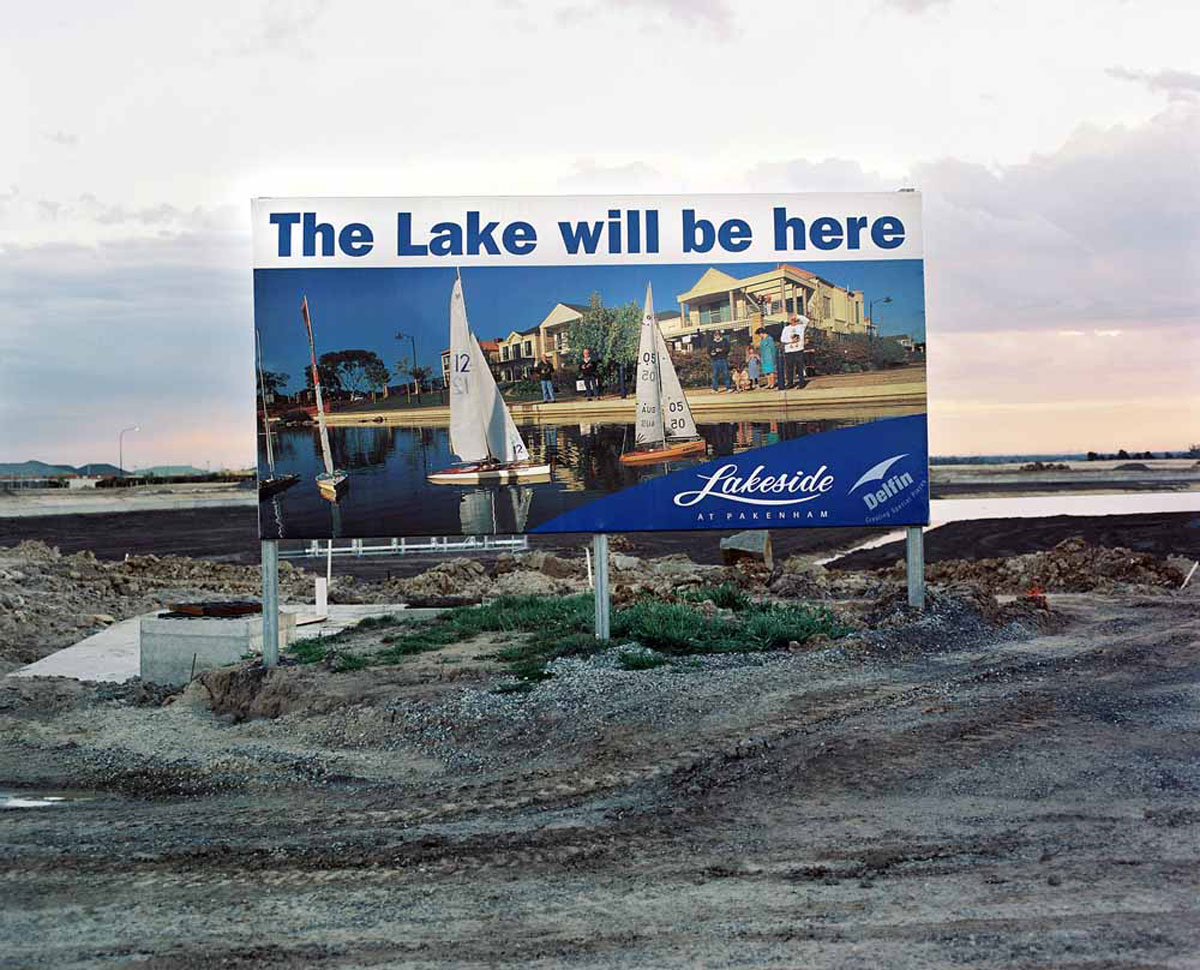
Developers love putting up their signs of things to come that will make life better for future residents.
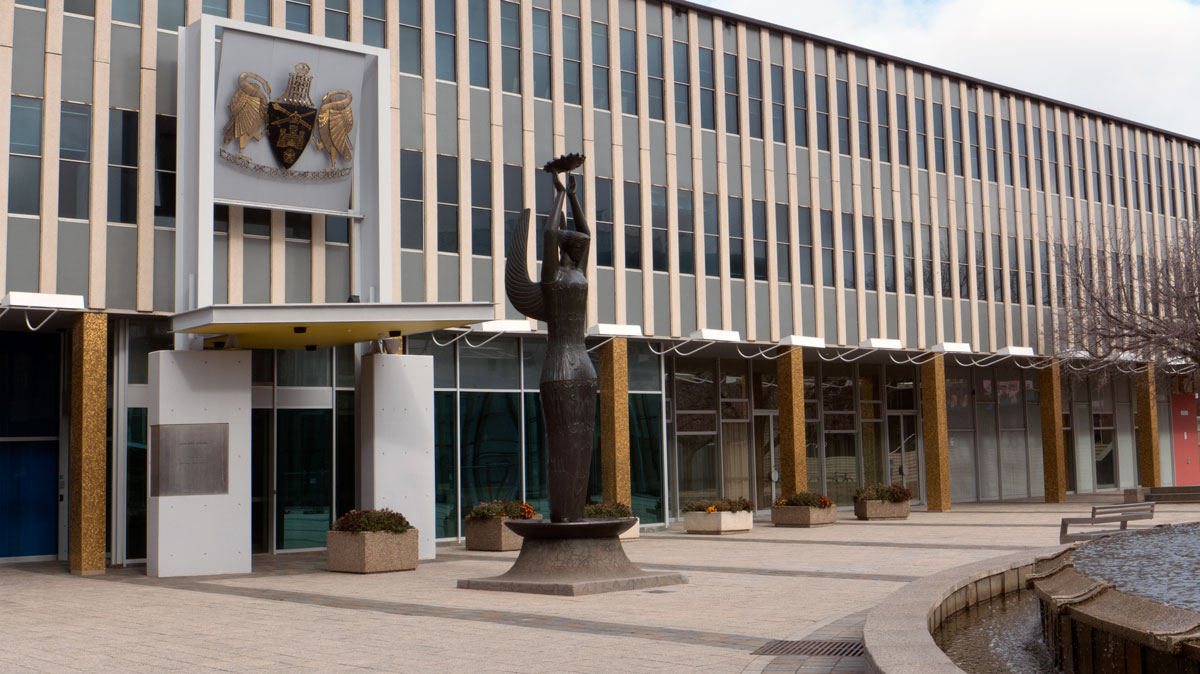
There’s an ACT government standing committee on planning, transport and city services, headed up by Greens MLA Jo Clay that has asked the community to make submissions on the current draft planning bill.
Book Review: Killing Sydney: The Fight For a City’s Soul
Elizabeth Farrelly’s new book “Killing Sydney: The Fight For a City’s Soul” is a must-read for anyone with an interest in their local planning issues.
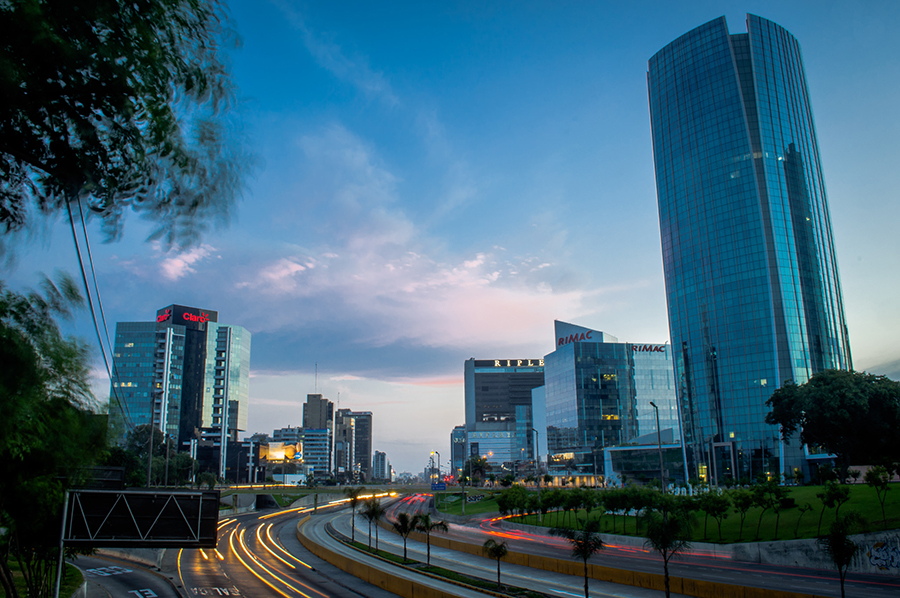
Good article by Miguel Córdova Ramírez on the teaching of architecture.
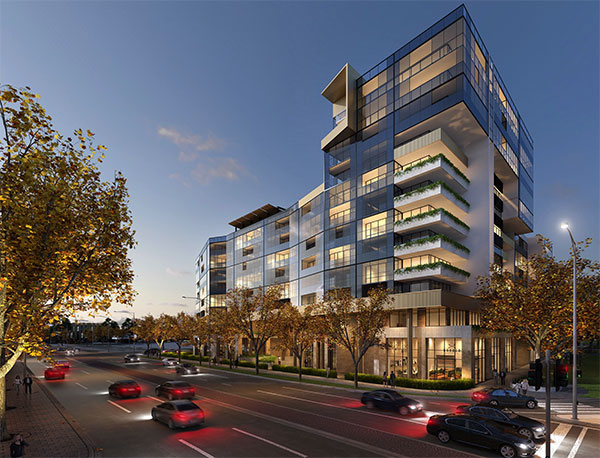
If there is one occupation that I could not imagine doing, it is being an ACT Government planner who spends most of the day looking through development applications (DA) for commercial developments.
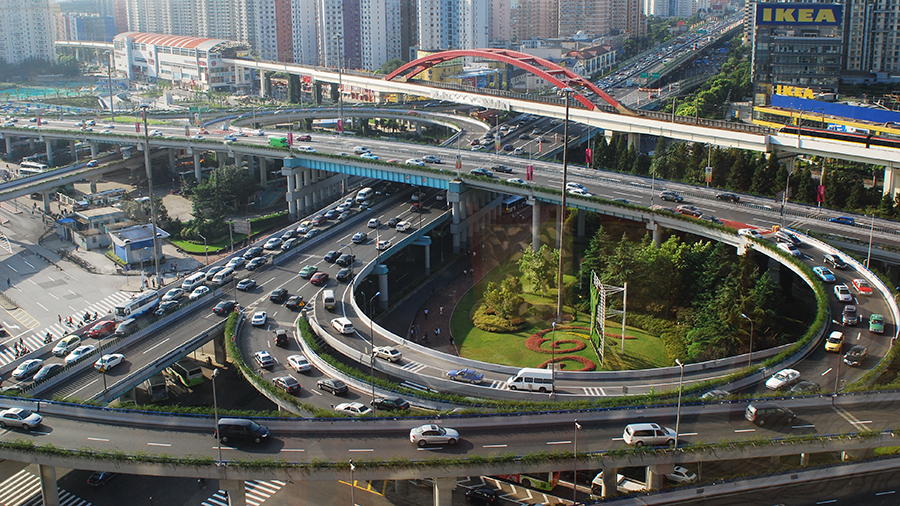
Interesting read – but I think they let the architects off too easily. Click here.
 click on image for article
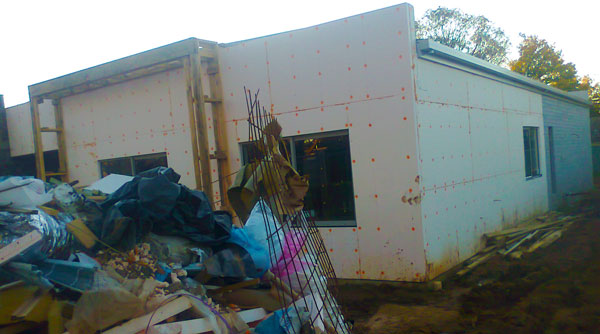
Talking to locals in the last weeks there were stories of that knock on the door and the offer to buy the house. The reactions were a little different and also similar.
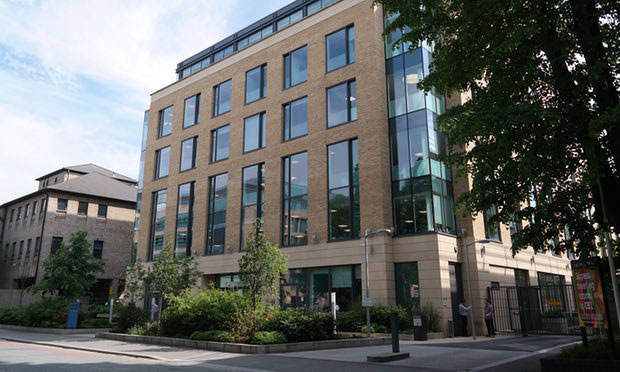
Sad story from Manchester. Lesson? – watch out for the spin when developments are announced. click here
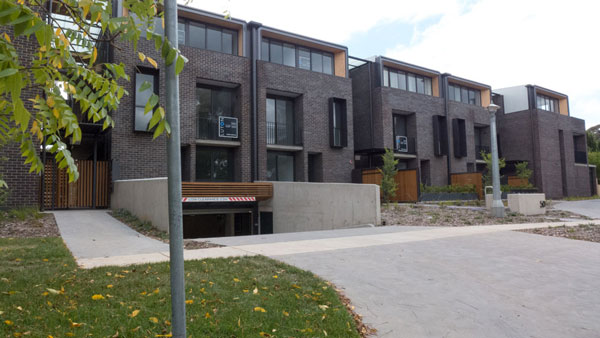
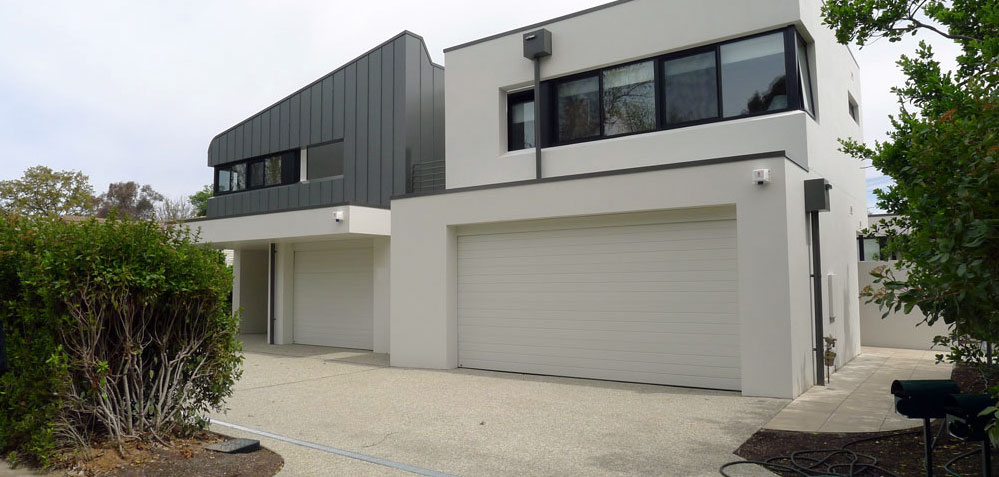
Do we have examples of good residential architecture in Canberra?
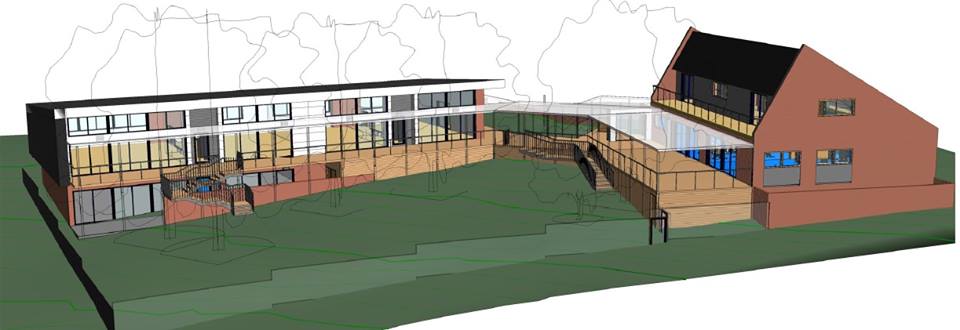
A wonderful sign of things to come.
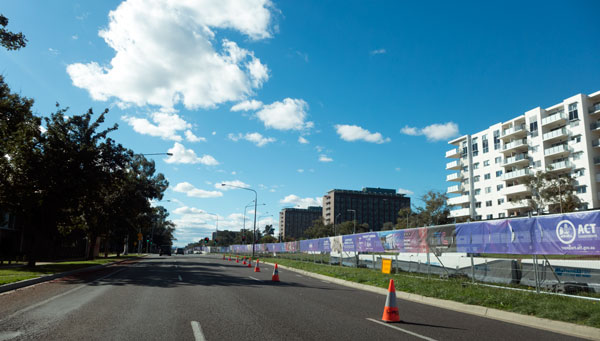
About the architecture along Northbourne Avenue
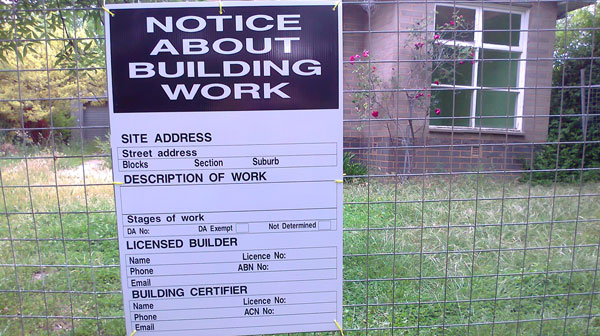
It was several months ago that the suburbs were being infiltrated regularly by ACT politicians trying to get attention – anyone’s attention.
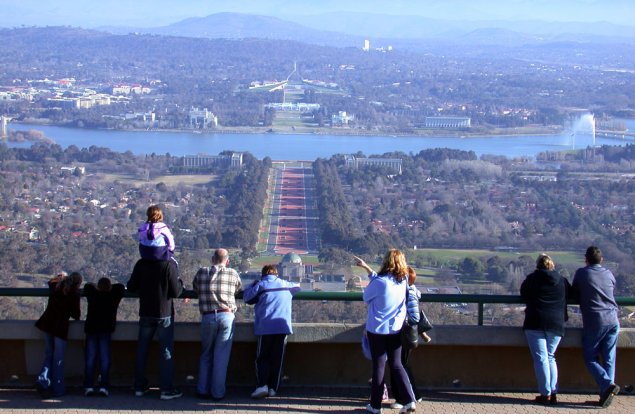
At the meeting in August 2016 on the government’s proposals to redevelop the West Basin of Lake Burley Griffin, the main line taken by the government was that their proposals were based on the Griffin Legacy.
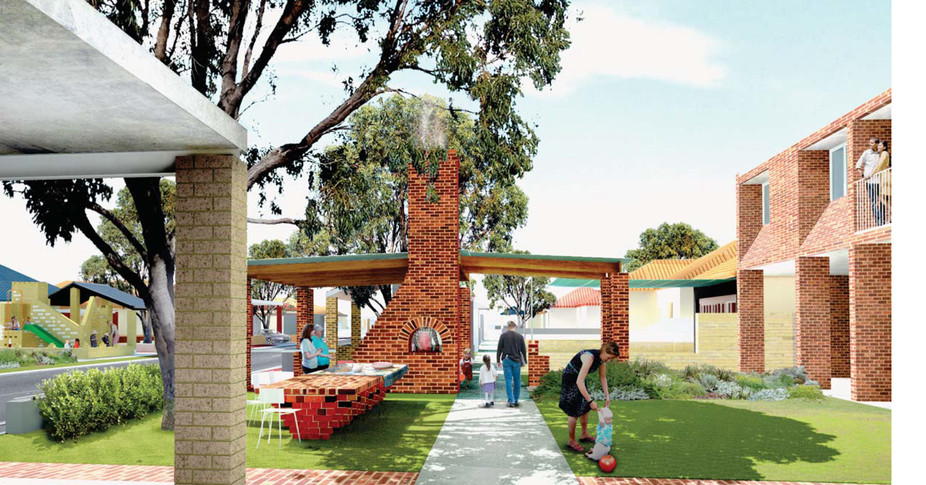 Grace Mortlock, University of Technology Sydney and David Neustein, University of Technology Sydney; republish from The Conversation
It took about three hours of argument on Friday 28th October for a decision by the ACT Civil and Administrative Tribunal (ACAT) on whether certain government planning documents should be released to those making objections to the Government’s agreement to the revised Development Application (DA) for the Dickson supermarket.
Continue reading Lawyers, files and money–and those responsible for this mess
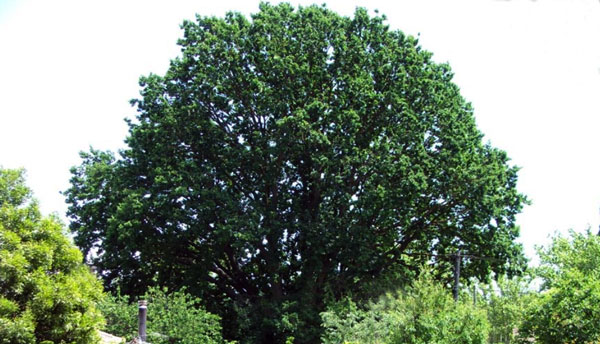
This is a tale of an entrepreneur, a tree and a possible (lost?) good planning opportunity.
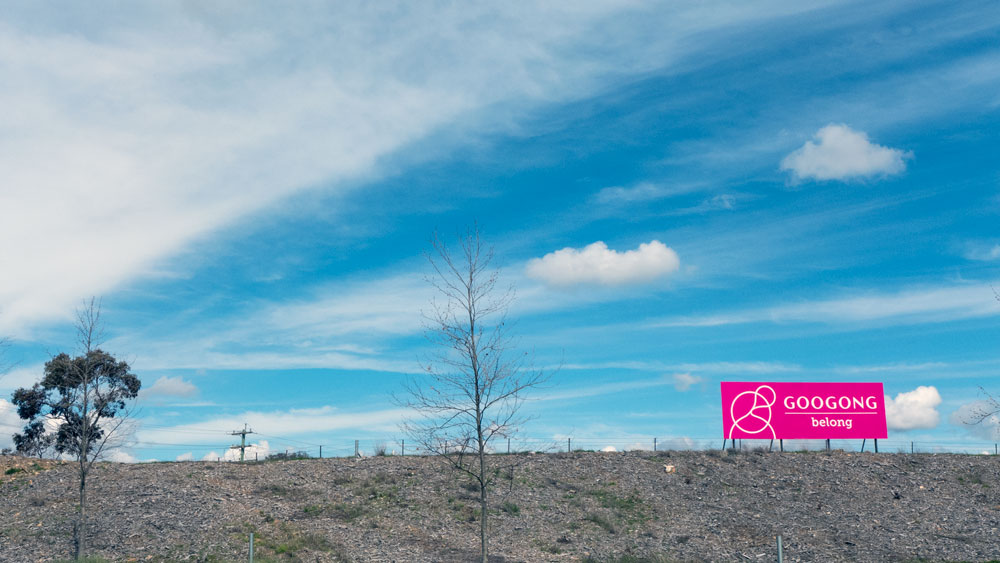
With the debate in Canberra about housing affordability, the ACT Liberals have been using a particular line in their election statements to criticise the current government’s Land Development Agency (LDA) and its handling of land prices.
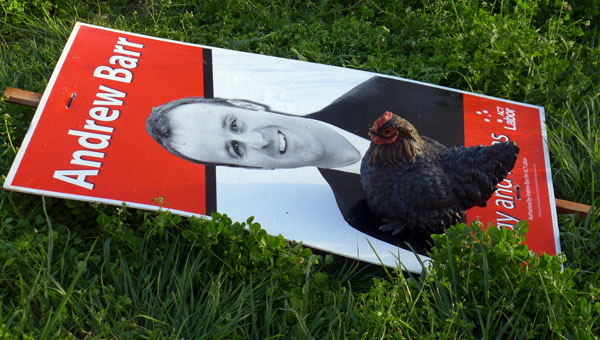
There were moments during the ‘meet the candidates’ forum in Lyneham a fortnight ago when it seemed that something was not right with the Chief Minister, Andrew Barr.
Continue reading The Auditor-General, the Chief Minister and pesky chooks
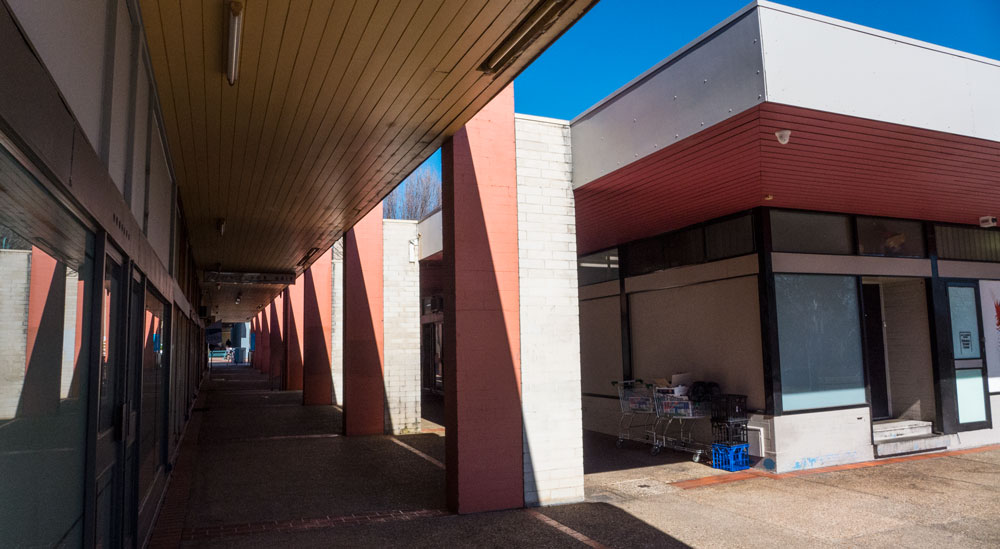
Earlier this year we drove south to the Mawson shops (Southlands) to shop at one of the specialist supermarkets as well as to take in a Middle Eastern brunch.

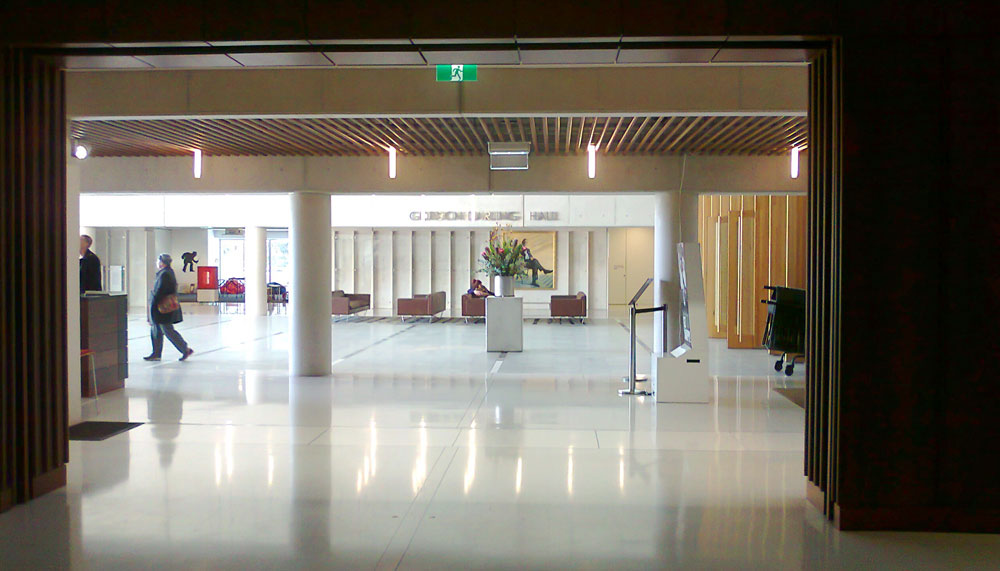
Canberra is usually referred to as being a designed and/or planned city. Continue reading Government Architect – what’s that?
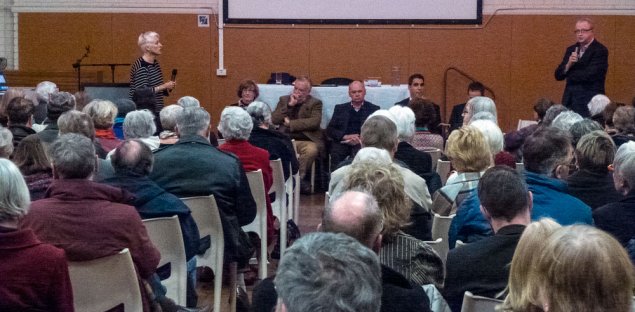
When about 250 citizens venture out on a cold night to hear about plans for the foreshores of West Basin one would expect that they would be taken seriously.
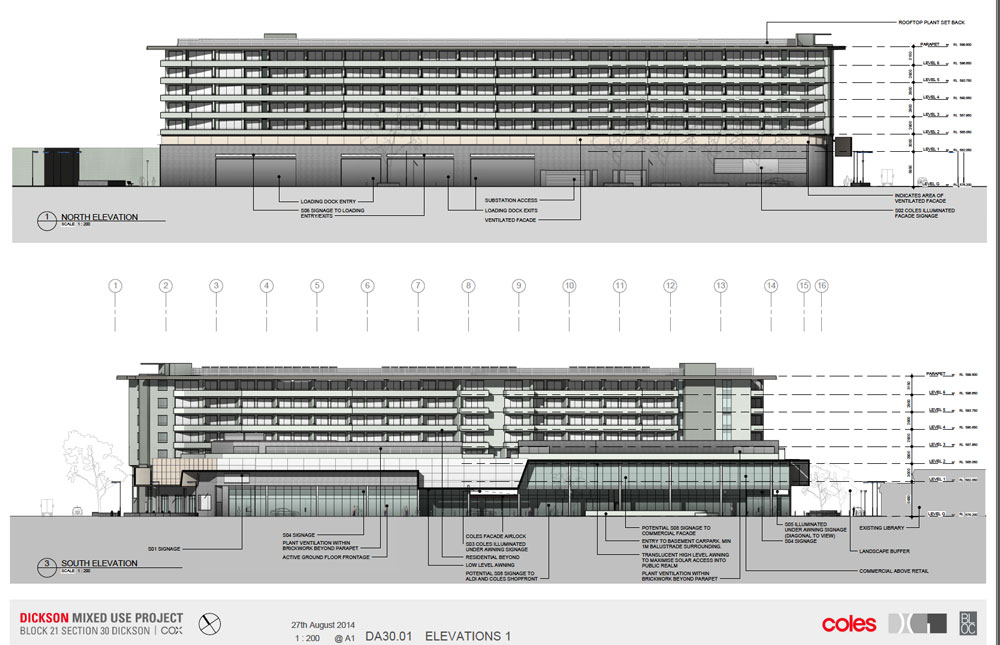
Following the disappointing actions by the ACT Government to approve what remains a very questionable development application for a major mixed use development on the flagship shopping centre site in Dickson, appeals are being jointly lodged by the landlord of the Woolworths supermarket plus key local community associations.

There’s a 1989 song by Pere Ubu, Flat, that has the following lyrics, “In the early part of the 20th Century, Deep inside the American wilderness, In the state of Kansas – 82,000 square miles of flat -There were two automobile cars. On July 5th 1904 they ran into each other”.

Sometimes the words of local politicians are a thing of wonder. Here’s a very curious story.
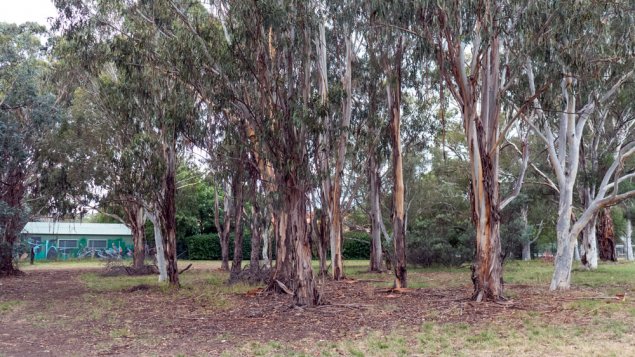
Any tree is worth saving. Any group of trees is always worth fighting for. But I also acknowledge that when absolutely necessary any tree can be replaced.
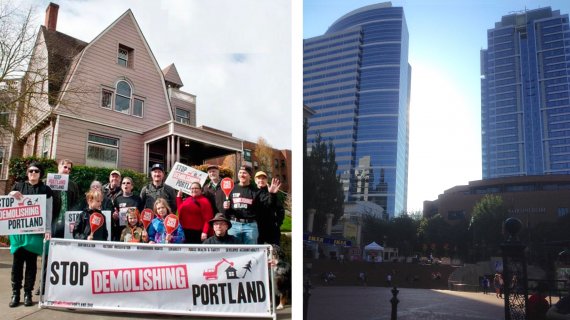 Has Portland Lost its Way?
 Book Review: Places Women Make, Jane Jose, 2016
This book is a celebration of the contribution by women to our cultural, social and urban lives. The book has the secondary title ‘Unearthing the contribution of women to our cities.’

Canberra’s planners in the 1950s and beyond delivered an infrastructure made for cars. There were even major freeways planned (a story for another day).
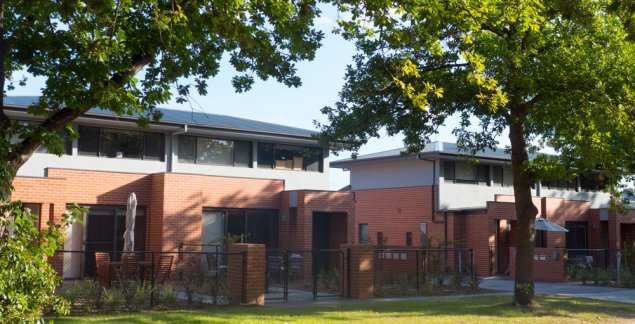
Almost every day I walk by a set of new apartments here in Dickson. These are now part of the history of the push by residents not to have rubbish developments plonked in the area.
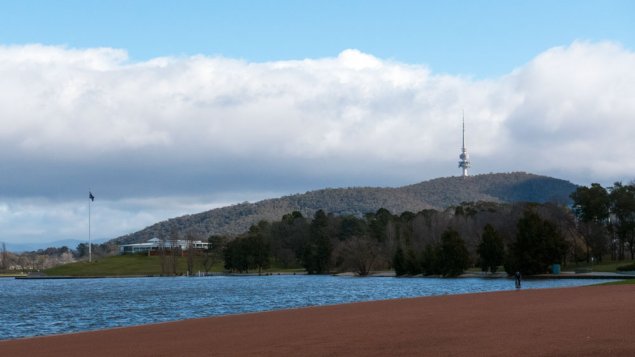
One of the pleasures of this city is to sit down by Lake Burley Griffin in the evening to watch the light fade.
Continue reading Lake Burley Griffin – What would Menzies do?
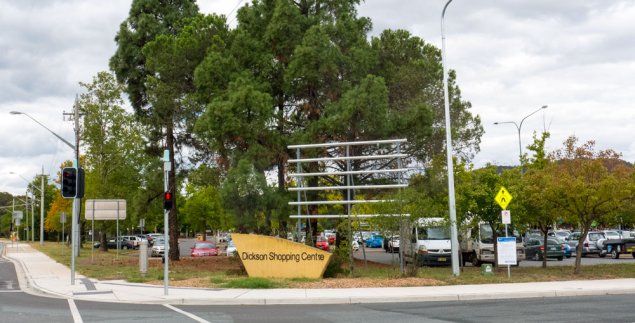
It will come as no surprise to anyone that knows me that I will be lodging comments on the revised Dickson Development Application: 201426717.

The first impression of Canberra from the north is of trees.
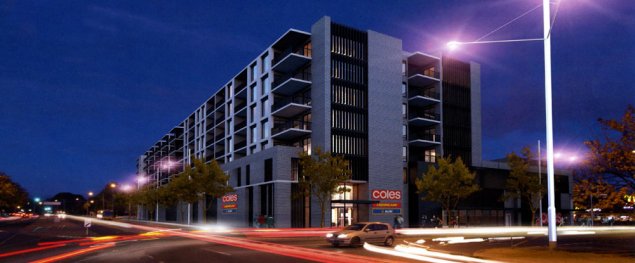
I don’t think the residents will be holding celebrations about what is being proposed for the new supermarket complex here in downtown Dickson.
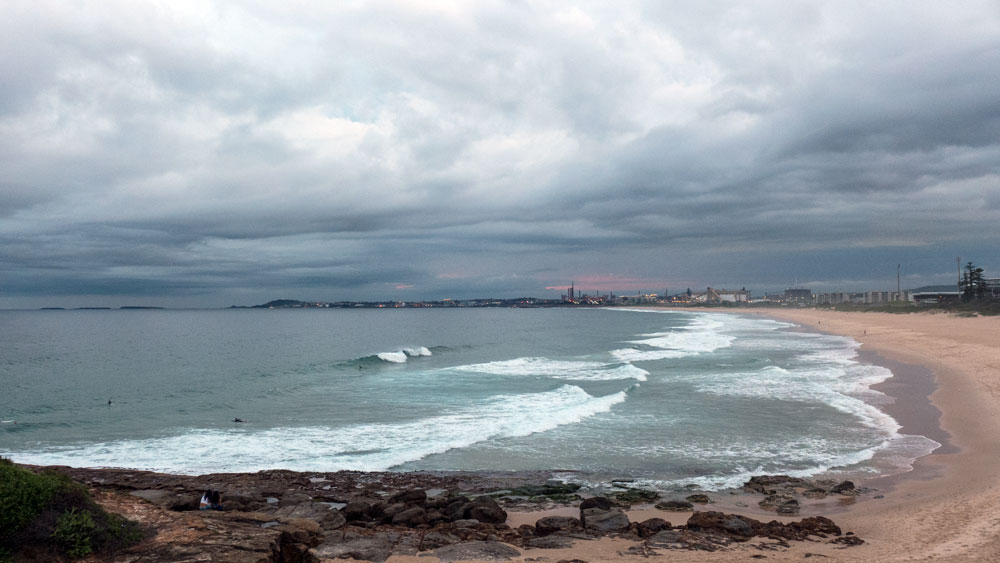 There is some brilliant work being delivered within the public realm by local governments across Australia.
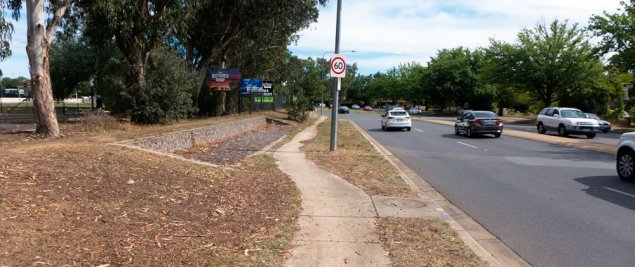
Billboards have long been part of our culture and have been popping up here there and anywhere all over the place throughout the world. We seem to love to clutter up our landscape with anything that makes money.
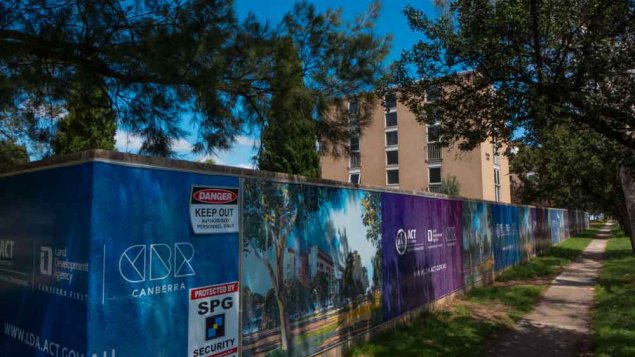
The decision by the ACT Heritage Council to heritage list 17 of the Northbourne housing precinct does confuse the developments being proposed for the gateway to Canberra.
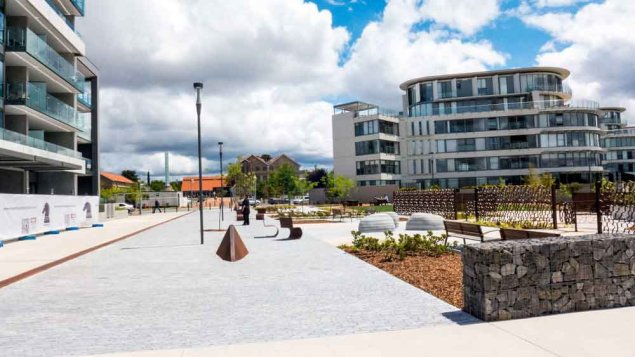
The ACT has a Planning Minister and he has put out a document titled — Statement of Planning Intent.
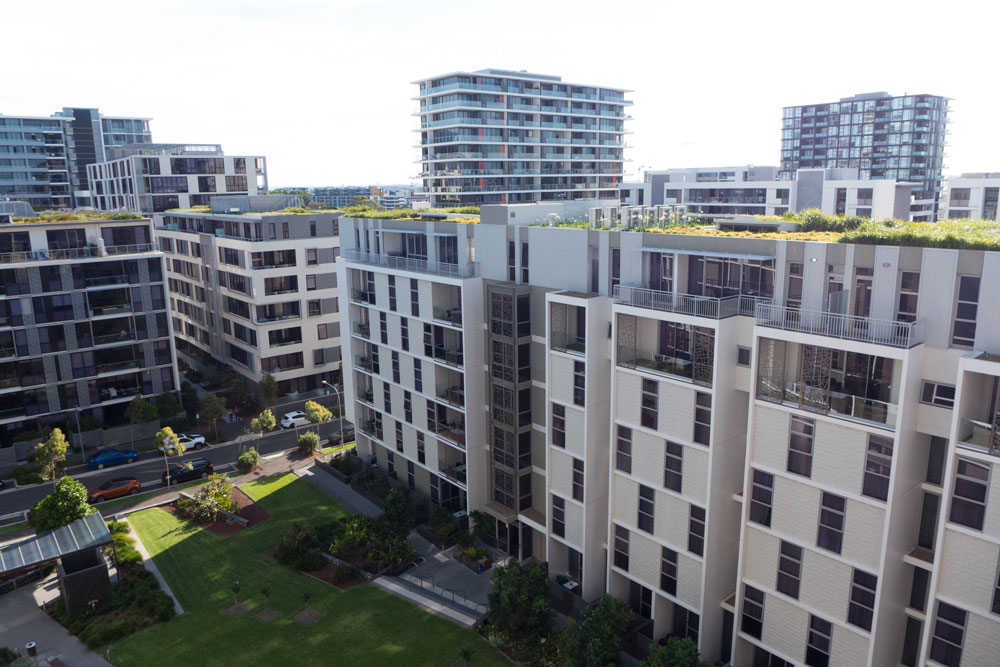 We start with words from the City of Sydney – that contains all those words that make sensible people run for cover:
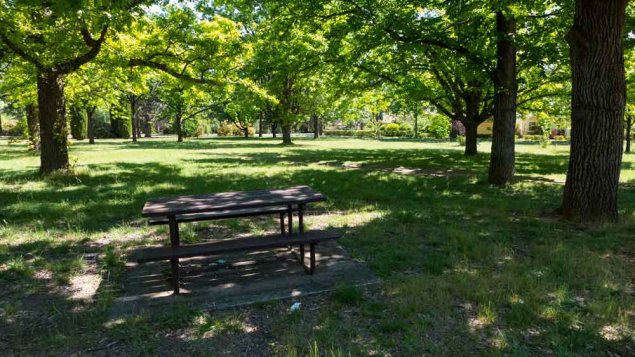
Canberra residents have noticed that whenever the Chief Minister and his LDA/Directorate bureaucrats want to send in the bulldozers into an established suburb, that they use the same propaganda.
 Imitate to Innovate: Vitoria-Gasteiz Shows How Cities can Address 21st Century Challenges. Click on image for the story.
 A nice blog worth visiting, philscopenhagen – click on the image above.
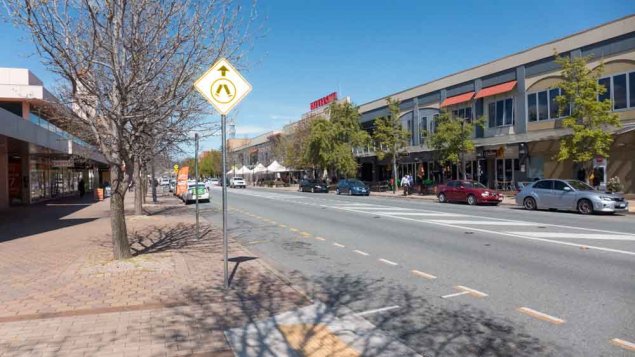
Just when most locals probably thought that there have been more than enough discussions and surveys about the Canberra’s new light rail (or trams), the ACT Government has launched another consultation on the topic.
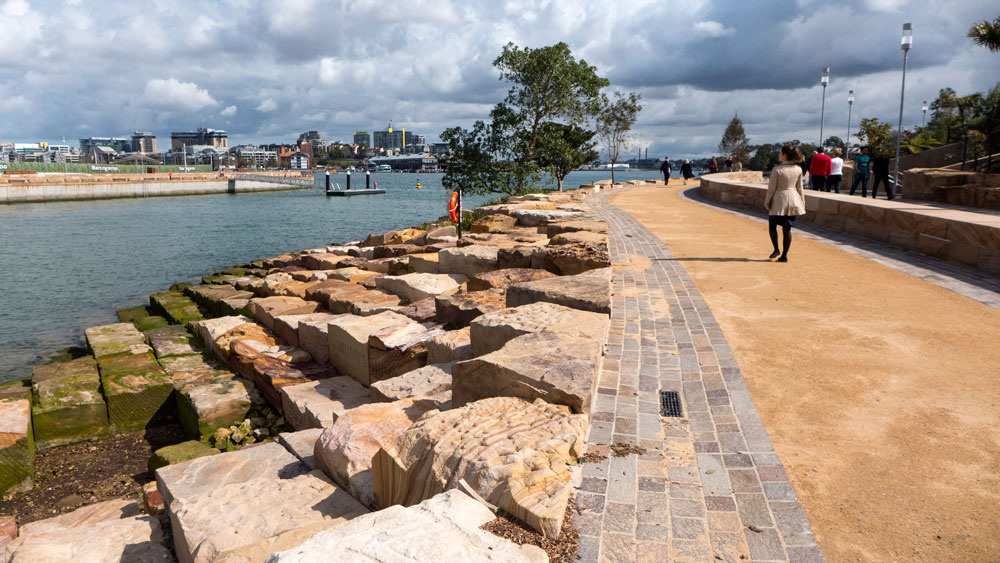
Barangaroo Reserve, opened to the public in August 2015. It was immediately greeted with much enthusiasm and was declared a success.
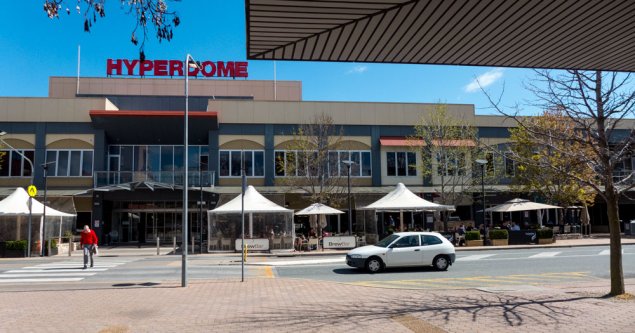
Tuggeranong town centre has received some mixed commentary in recent weeks. Ever since it was reported that Tuggeranong’s population is declining, locals have mounted their soap boxes. They’ve pointed out how it is much loved, that they are proud to live there, and made the call for local action.
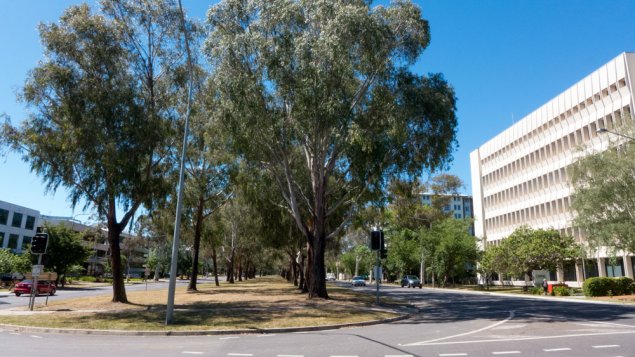
I support the introduction of light rail networks across Canberra. We should not be having this debate in 2015. The first tracks should have been laid down in the late 1950s or at least by the mid 1960s.
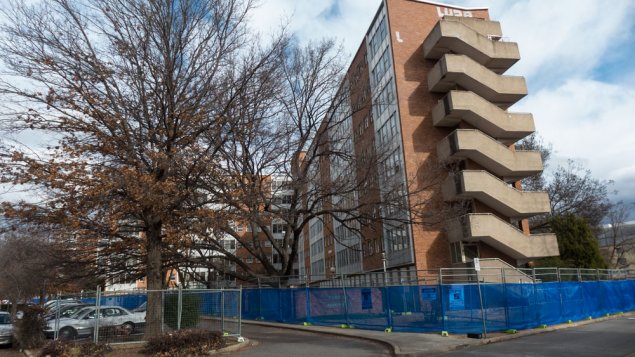
There’s no doubt that the ACT Government has put an emphasis on communications and marketing when it comes to particular urban developments. This is very evident in the number of media statements in circulation.
Continue reading Wanted: Quality replacements for Currong Apartments
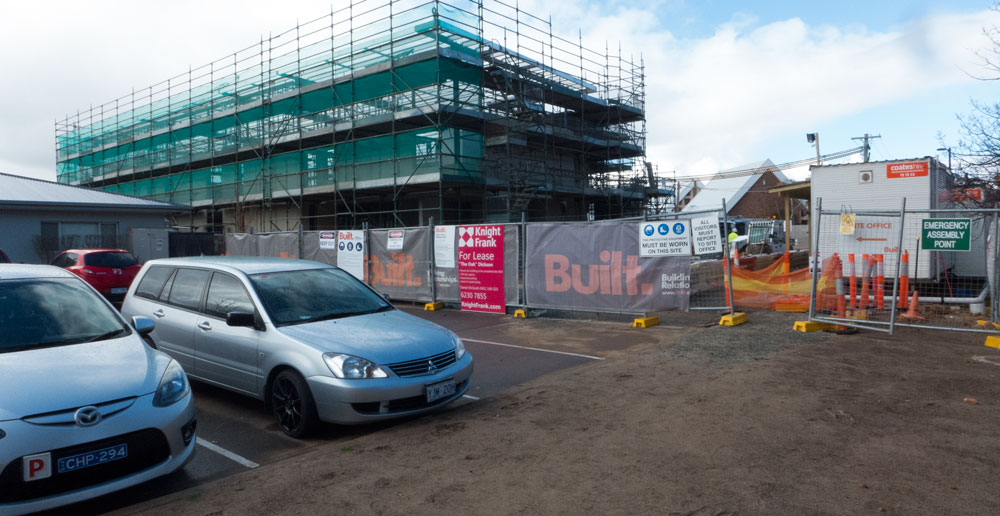
There are serious systemic problems within the ACT’s planning and development agencies.
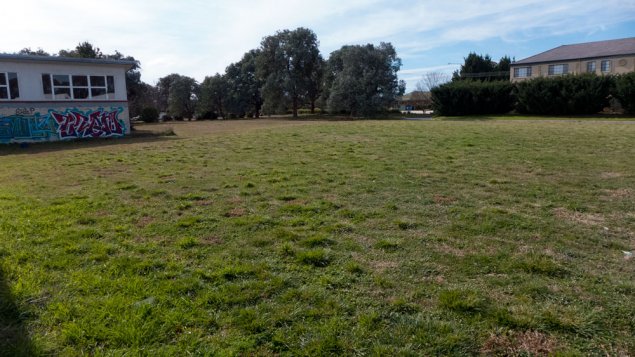 As reported earlier, the Dickson Parklands (Section 72 Dickson) has been identified as critical to ensuring that Canberra’s growing inner north population can access arts, recreation, cultural and other community facilities.
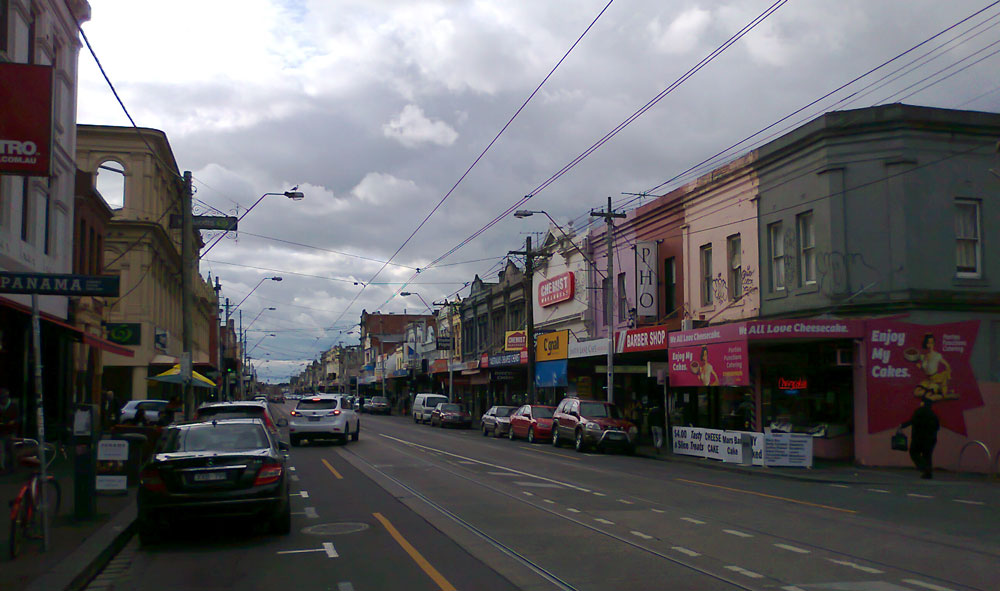
Walking down Smith Street in Collingwood (Melbourne) there’s a massive new development underway that is about to bring change to the culture of the street. Continue reading Smith Street Collingwood
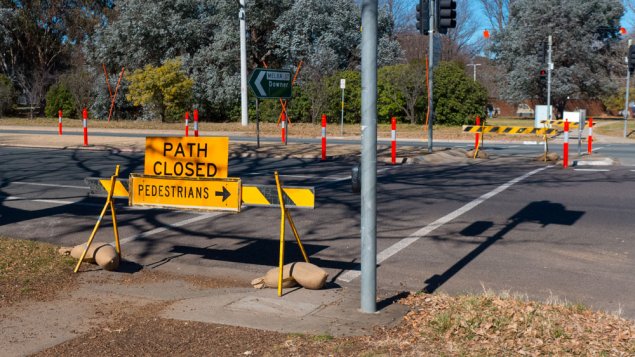 It was during a recent North Canberra Community Council meeting that I realised I was hearing something very rare. The presenter was talking about fairly matter-of-fact issues to do with changes to local traffic lights and footpaths and it sounded as though she identified with the issues being dealt with.
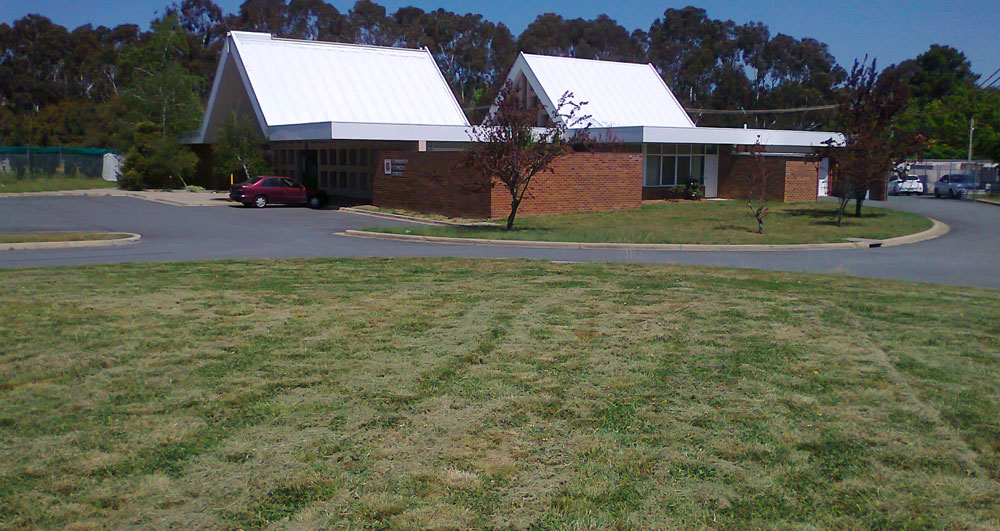
There have been inaccurate media statements and comments online by the bureaucracy and others about the actions of residents to save the Dickson Parklands.
Dickson Residents Group Media Release
 REZONING DICKSON’S COMMUNITY PRECINCT A BACKWARD STEP FOR NORTH CANBERRA
Continue reading Dickson Parklands – Dickson Residents Group
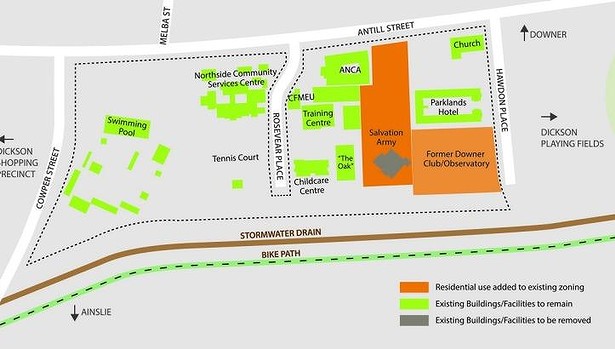 The North Canberra Community Council (NCCC) has expressed both surprise and disappointment at yesterday’s shock announcement by the ACT Government proposing residential development in Dickson between the Dickson Pool and Dickson Playing Fields. It is known formally as Dickson Section 72 and informally as Dickson Parklands. click here for the full media release from the community council.
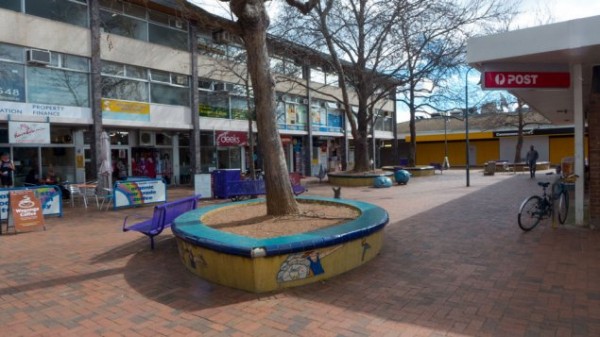
A study of the ACT’s master planning processes reveals thorough research and consultations to produce a range of comprehensive documents on options for many of Canberra’s established shopping centres.
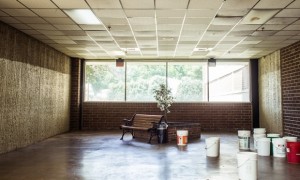 With Canberra struggling with its malls and the government agencies still following old models in what they encourage in the way of shopping centre developments – I am keeping track of stories about the demise of the great shopping malls – here’s a recent one – click here.
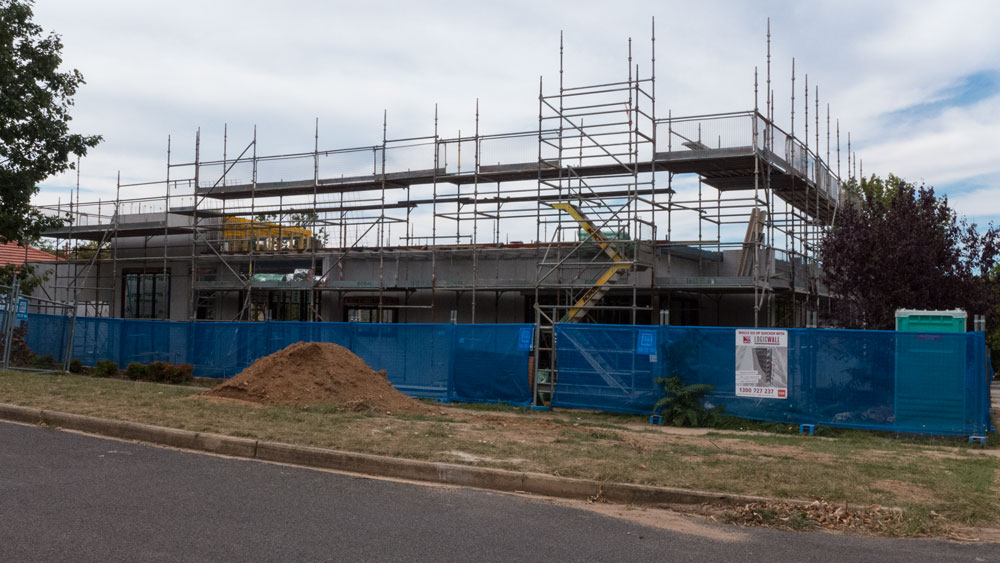 There is one thing that planning officers excel at: creating jobs for themselves. They do this by constantly reinventing planning and development processes that are so complicated that it takes a planning officer to be able to make sense of them.
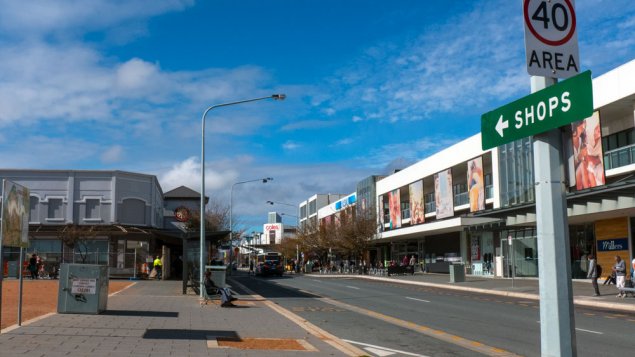
The state of Canberra’s shopping centres is a hot topic of conversation at present.
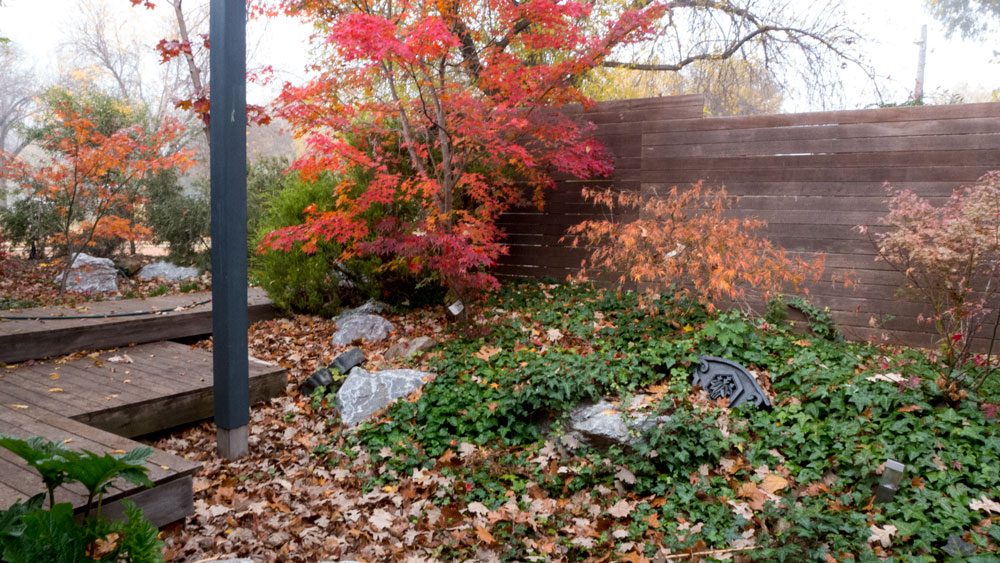 Canberra was built with gardens being integrated into each household and throughout the neighbourhoods.
Voter action needed following Dickson shops debacle
There have been recent reports that the controversial Dickson supermarket proposal continues to be debated behind closed doors within the government planning bureaucracy.

A little while ago, I wrote a few pieces about Braddon. In amongst the many different aspects of the suburb, I brought up the concept of significant changes to Haig Park.
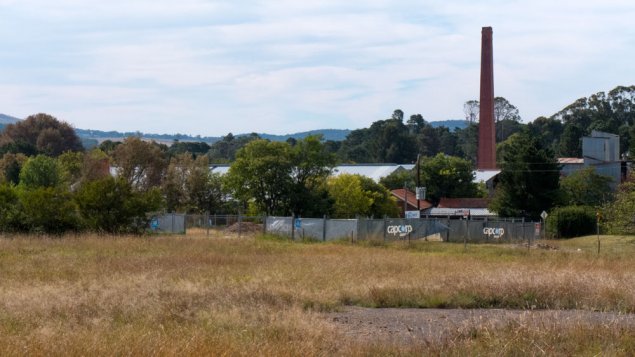 Originally published on RiotACT.
A couple of decades ago, the Yarralumla Brickworks site was home to community markets and a colony of artists. This was the last time I visited the site.
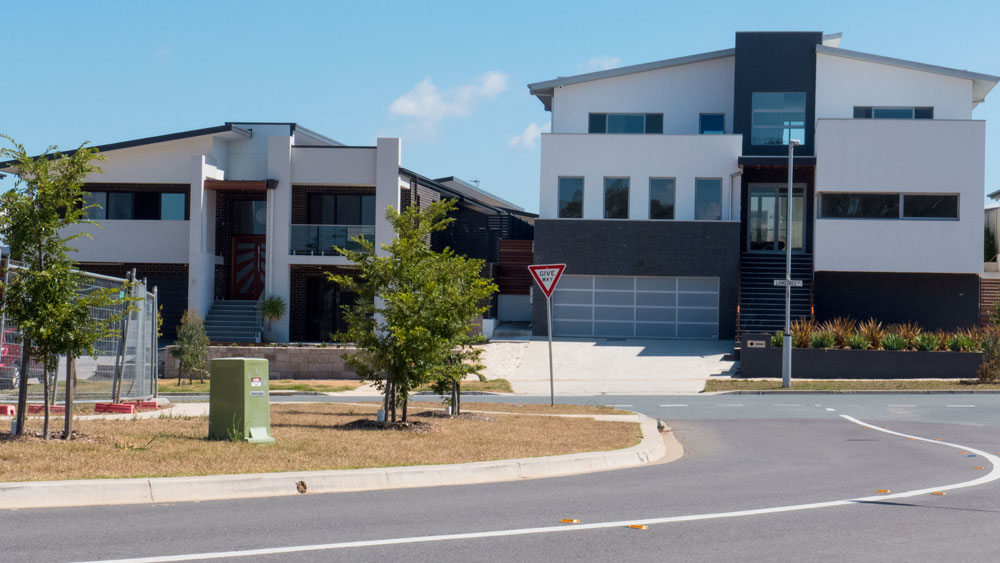 While the many in the world address climate change, the present federal government in Australia continues to prop up Big Coal and anyone else who supports them. So what’s to be done about this? Continue reading Climate Change
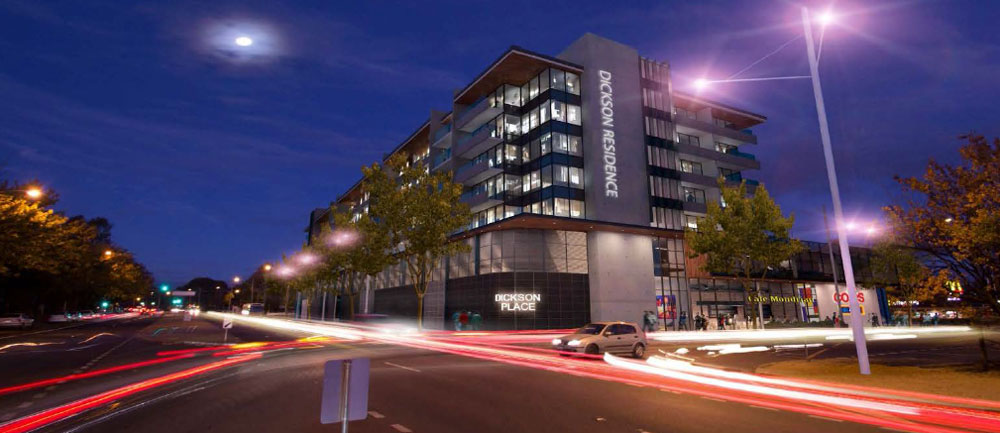 The Dickson residents continue to be disappointed with the ACT Government for allowing so many inappropriate development proposals to be taken seriously. The latest let-down is that local politicians look as if they are allowing a supermarket and residential proposal to progress even though the evidence indicates how wrong it is for this inner suburb.
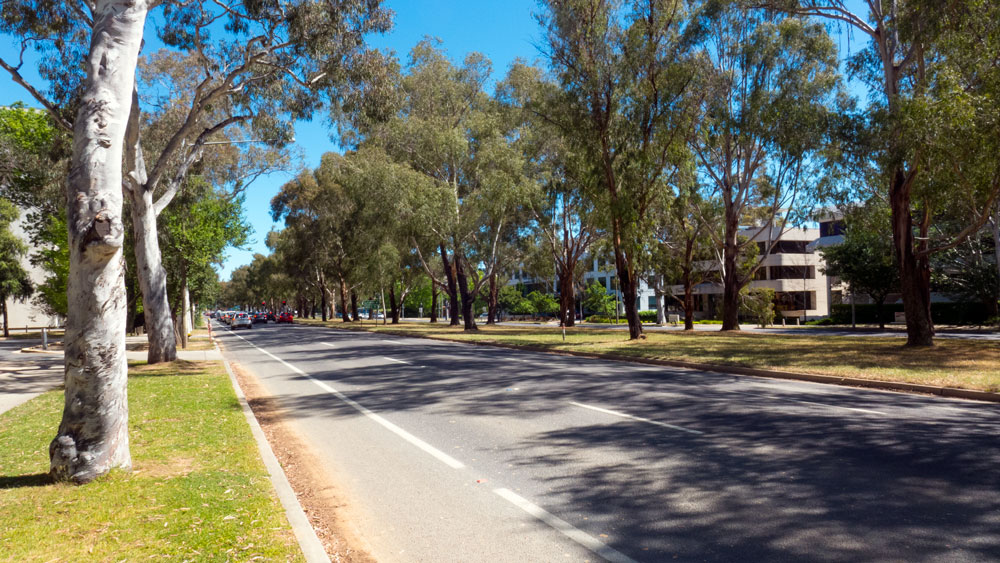 It was well before self-government that a bureaucracy of experts delivered our inner Canberra urban landscapes. While there are many aspects of Canberra’s landscapes to be celebrated, there are questionable decisions by former planners and bureaucrats that we now have to deal with and correct.
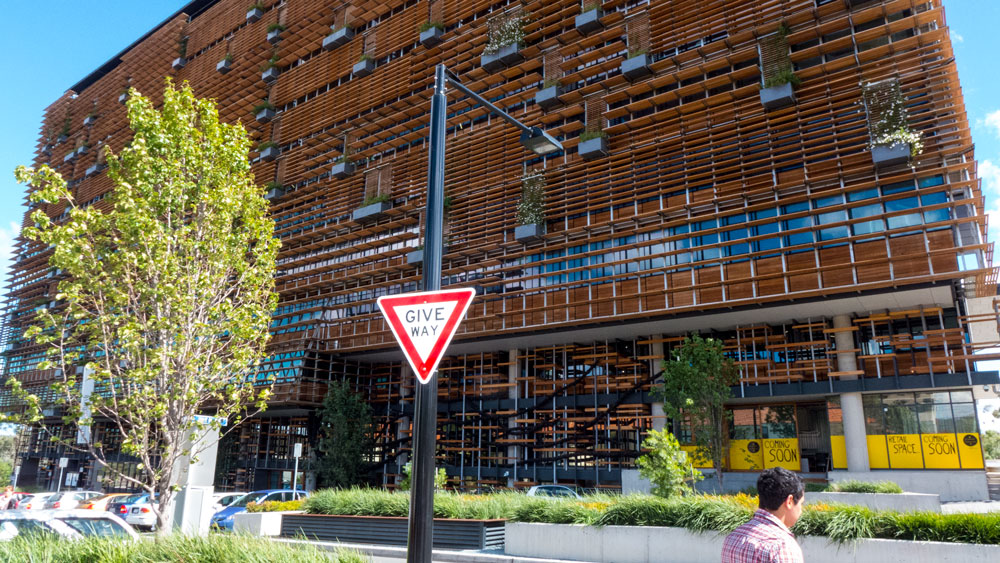 The Property Council has issued another one of their occasional gems about planning and development here in Canberra. This one is titled: Transforming Canberra’s CBD. Sometimes you are not sure whether to laugh or cry when you read these documents.
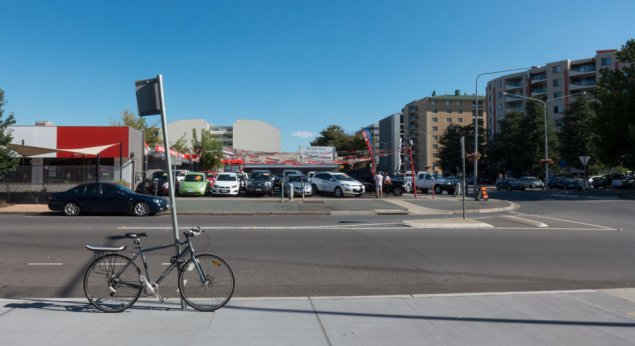
There are reports circulating that the future of an important aspect of Braddon’s heritage is in danger of being lost.
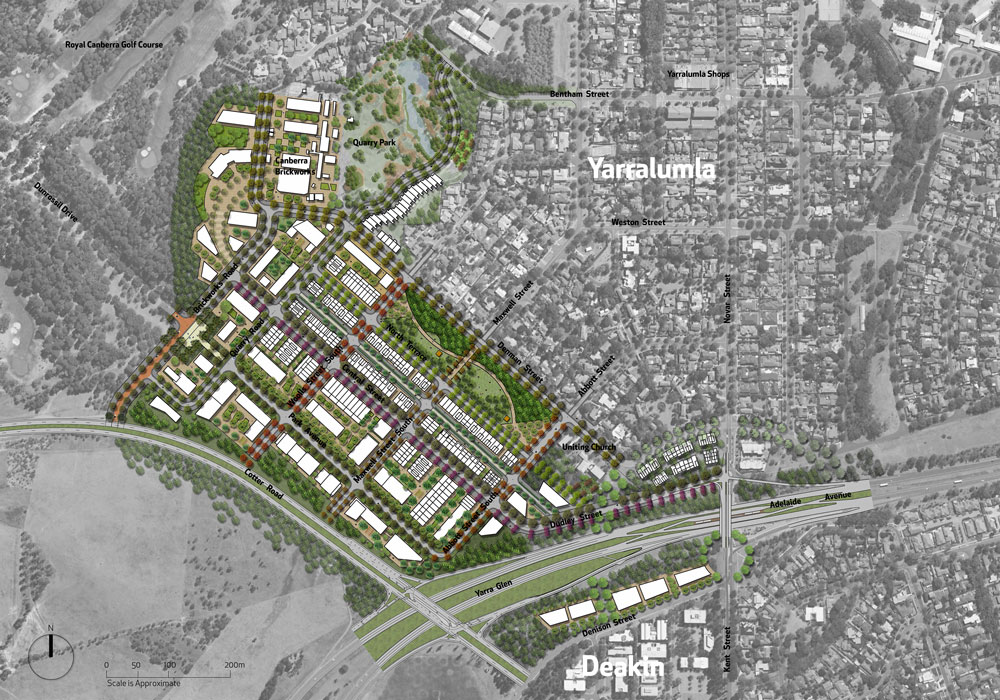 The following is a slightly longer version of a post I uploaded to RiotACT. This post concentrated on the new development sites which will replace much of the greenery around the southern edge of this part of Yarralumla. I have left comments about the redevelopment of the former brickwork’s sit for another time.
Following a recent post on the developments happening in the Braddon commercial precinct (click here), I also posted on RiotACT on the surrounding suburb.
 Here are some thoughts on the redevelopment underway within the Braddon Precinct, being mainly two streets, Mort and Lonsdale Streets.
Canberra as a planned city is a myth.
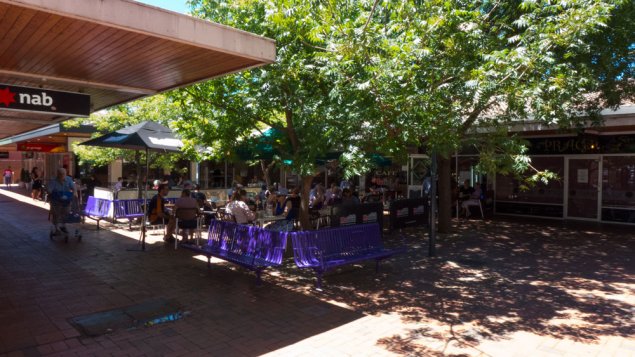 Residents are having to deal with a stupid development proposal that is backed by the ACT Government for a new supermarket in Dickson.
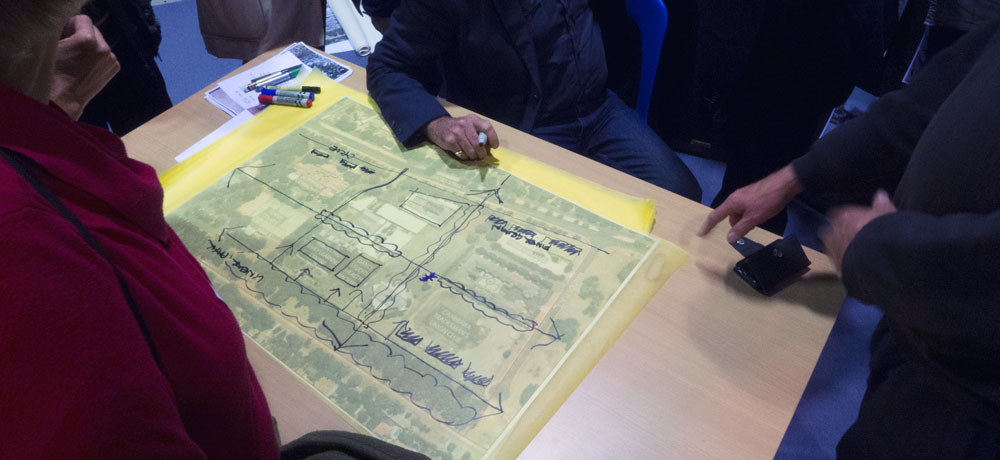
This is the third of several posts on planning and development issues for Dickson in Canberra. Residential groups around the country share similar frustrations, dilemmas and challenges in dealing with planning and development bureaucracies.
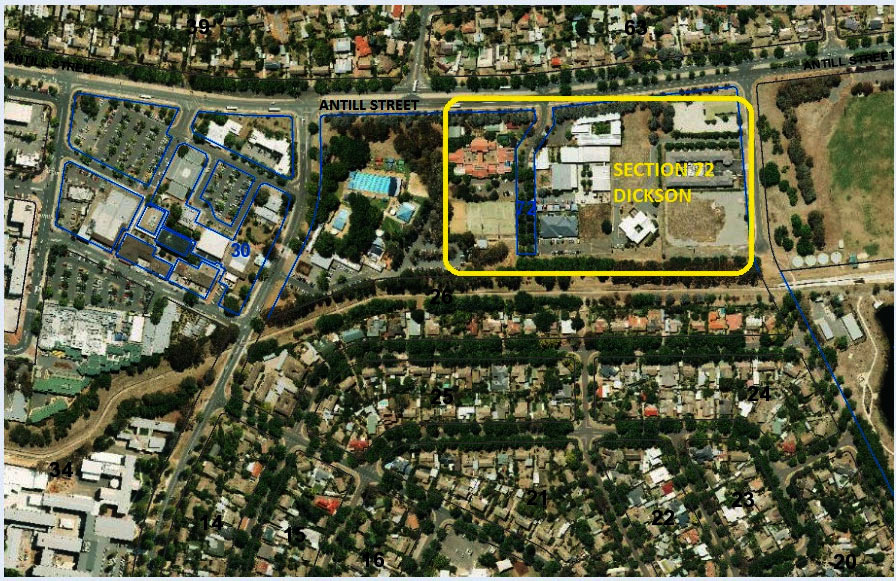 This is the second of several posts on planning and development issues effecting the local residents of Dickson in Canberra. The issues are not unique to Dickson. Residential groups around the country share similar frustrations, dilemmas and challenges in dealing with planning and development bureaucracies.
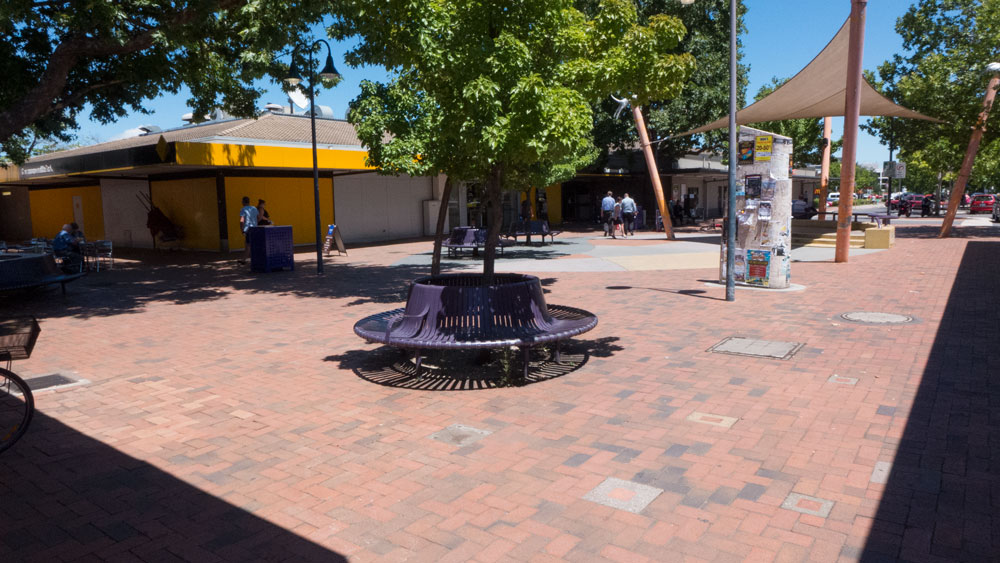
This is the first of several posts on planning and development issues effecting local residents. The stories and issues are not unique to Dickson in Canberra. Many residential groups around the country share similar frustrations, dilemmas and challenges in dealing with planning and development bureaucracies.
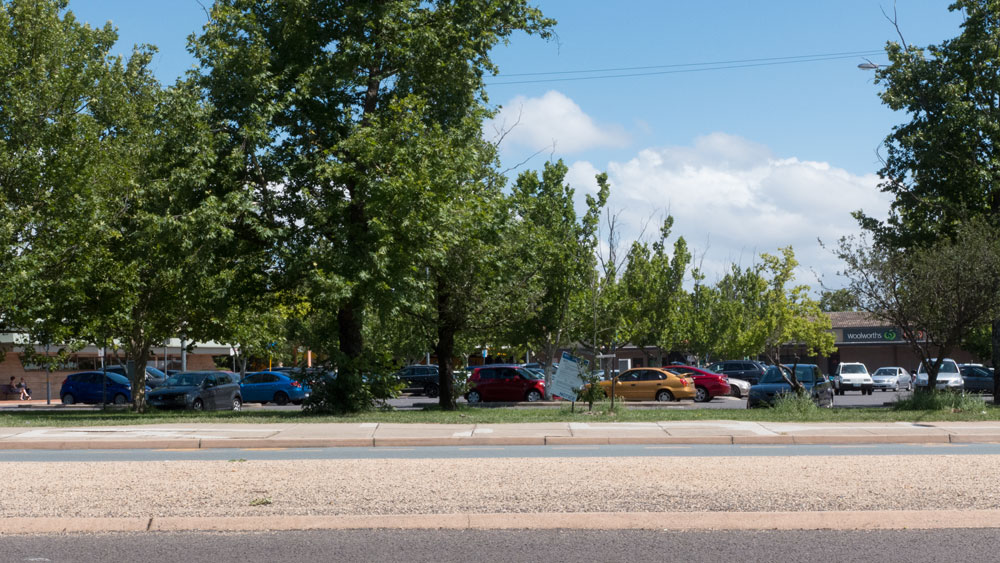
Just before Christmas the ACT Planning Authority (ACTPLA) had uploaded for comment the Development Application for the Dickson supermarket development. The original response deadline was the 27th January.
and how the government is squandering significant urban design opportunities
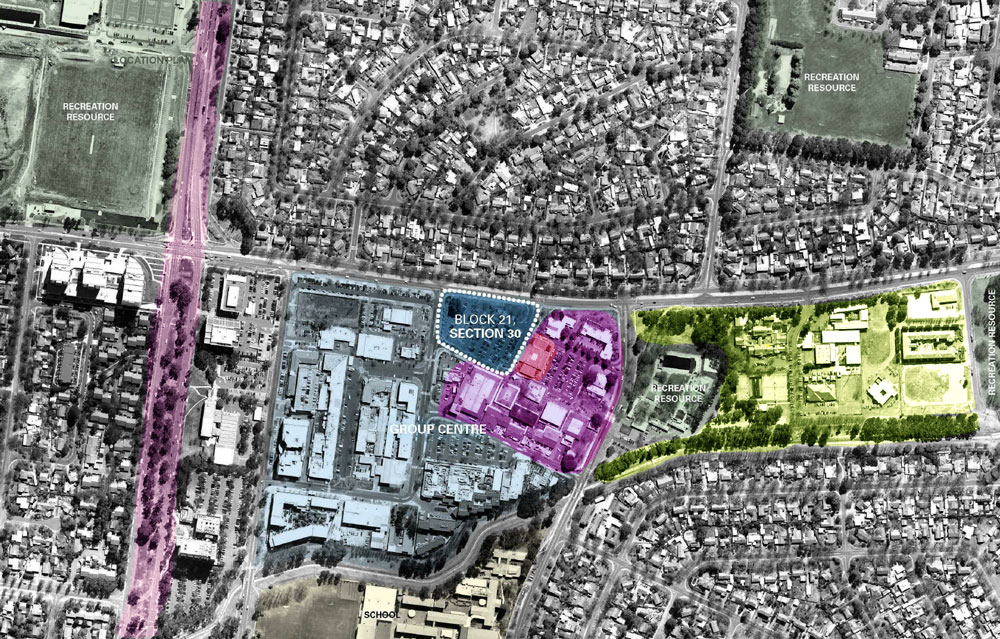 The debate continues on this significant lost opportunity to deliver good urban design in Dickson. Click on image above for a posting on RiotACT.
It was just days before Christmas (2014) when local residents may have noticed that a development application with big ramifications for their precinct was now available online for comment – with a month in which to submit any comments.
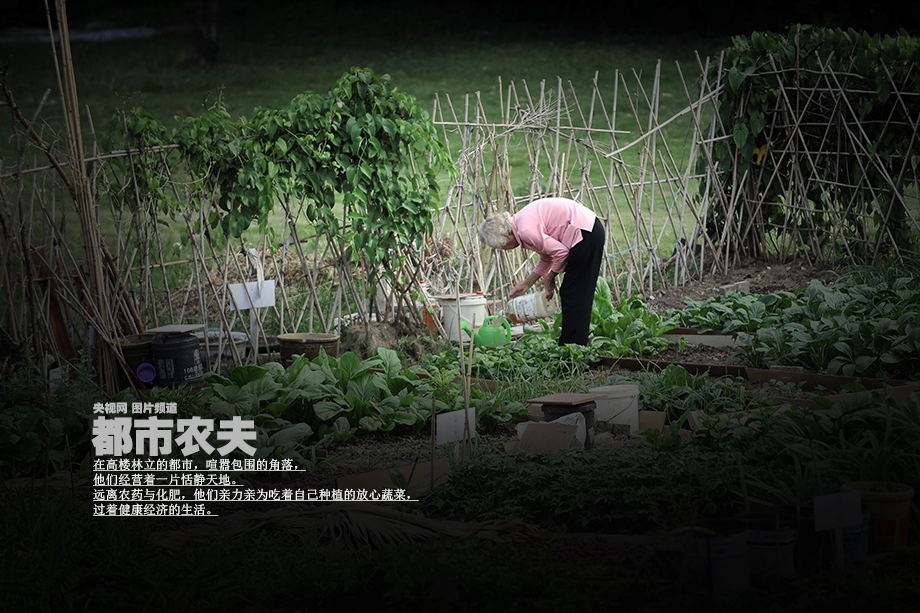 Click on the image for the slide show about urban farming in China
 Seven Myths About New Urbanism: Joel Kotkin, a fellow at Chapman University and an untiring defender of the suburbs, begins a recent column in the Washington Post with a valid question: “What is a city for?” He then proceeds to get that question completely wrong. But really, we should be thanking him. In his article, he neatly sums up many of the key myths emerging from the anti-urbanism set, making the job of debunking these myths a lot easier. Click here.
An Opinion Piece
Dickson Section 72 – Community Consultations – 20th Oct 2014
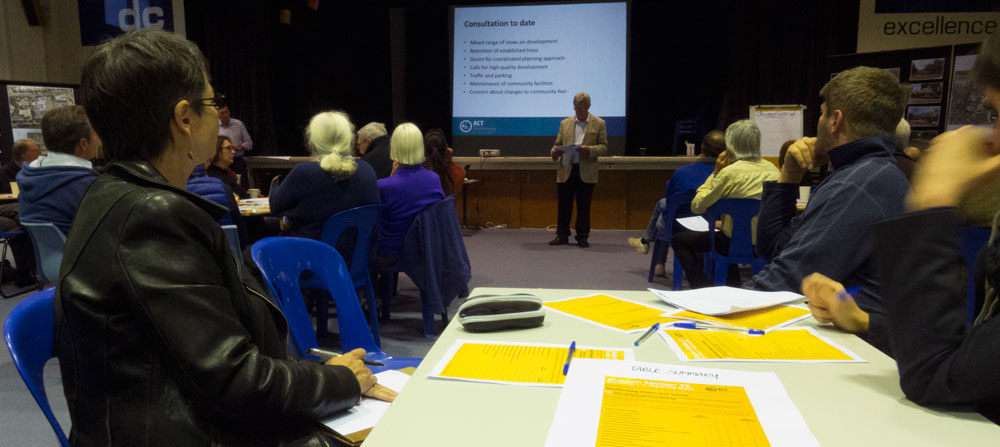 On a cool Monday evening, more than one hundred local residents from surrounding suburbs gathered in the Dickson College hall in response to the invitation to attend a workshop staged by the ACT Government.
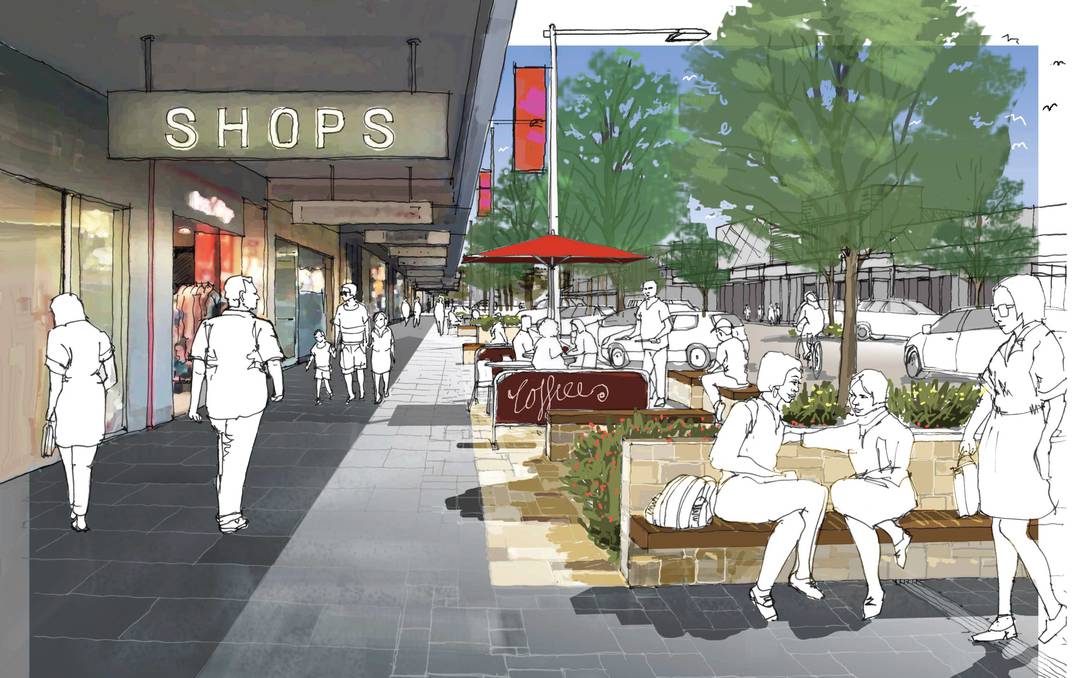
Locally the planning authority is notorious for carry out all forms of planning with no real interest in the present residents and no interest in the urban character. It is left to the developers to define how the suburbs of Canberra will look in the future.
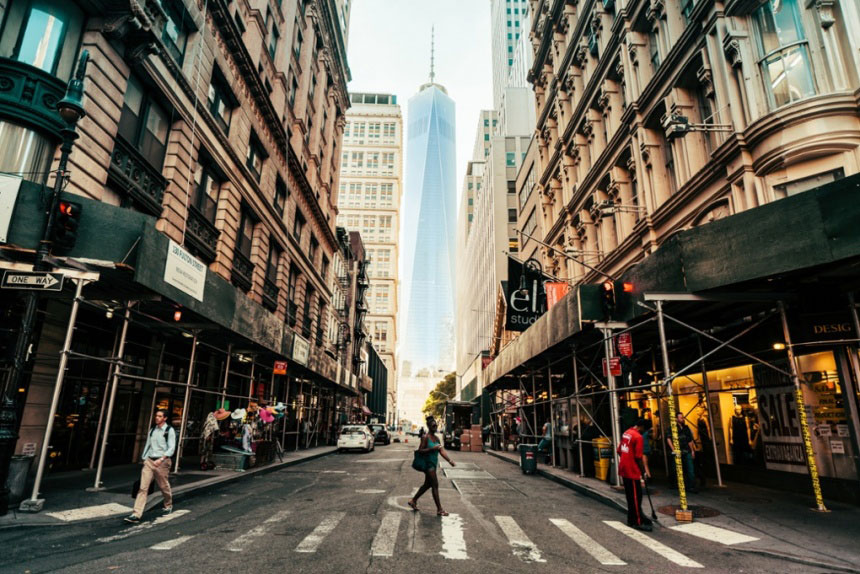
There’s a very thorough article about the combined architectural and developer and government mishandling of the whole ground zero site in New York.
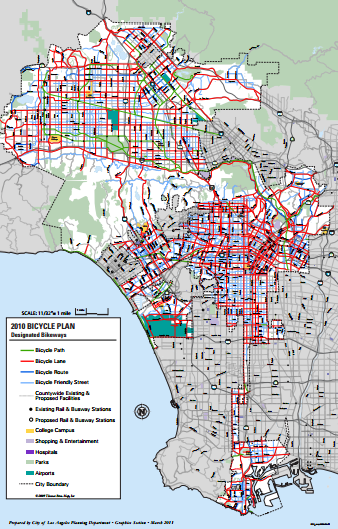 LA wasn’t always a driver’s town. In the 1920s, it had the longest urban rail network in the world, and innovative infrastructure was built for cyclists as well. Despite this, Angelenos fell in love with the car early on and moved for more highway projects, making it the road-based city it is today.
——————————
Paul Costigan, 19 August 2014
Melbourne is a city I enjoy visiting. Most of the time my visits involve moving around the inner suburbs of Melbourne.

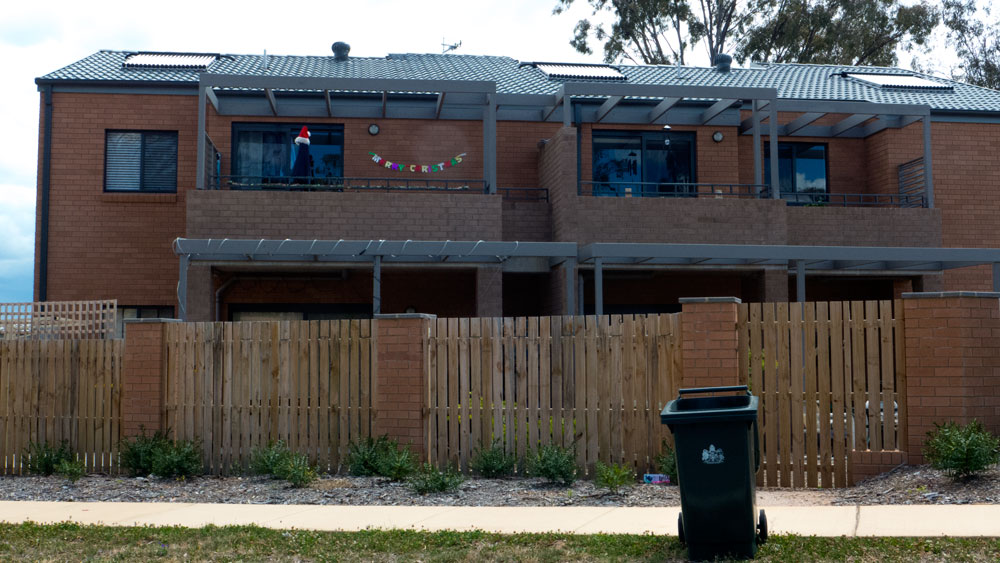 Canberra, as with most major centres in Australia, is caught up in complex and sometimes nasty urban planning debates.
On the one side there is the property council groupings that include the gung-ho developers*, and their colleagues amongst the architects, planners and the planning authorities.
 An opportunity has presented itself with the Commonwealth Government’s announcement to allow the National Capital Authority (NCA) to open up the Parliamentary Triangle to more commercial opportunities. (CT 12 July, Page 1, Shopping in the triangle? It’s a private matter)
I have no problem at all with more commercial activity happening within the Parliamentary Triangle. The question is just how to intelligently implement such a change to this landscape that presently serves as a national monument.

I have said it before and am happy to say so again, I live in a suburb in Canberra that has a fabulous amount of trees. The amount of trees in the public arena, streets and parks etc, combined with those throughout the residential properties delivers an ambience that is hard to explain to anyone who has not experienced it.
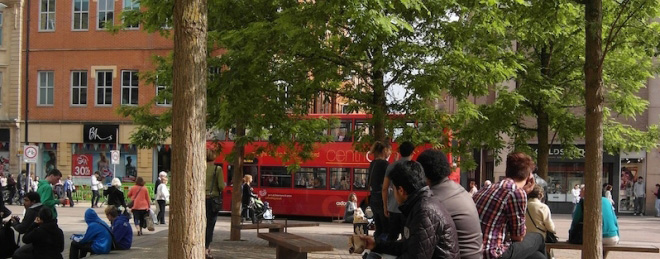
I have the benefit of living in a suburb with plenty of tree cover. In fact the view outside onto the streets is almost as if the street is a parkland. The concept that any suburb should have an abundance of trees and shrubs and associated bio-diversity is simply so logical that one wonders why would anyone think otherwise.
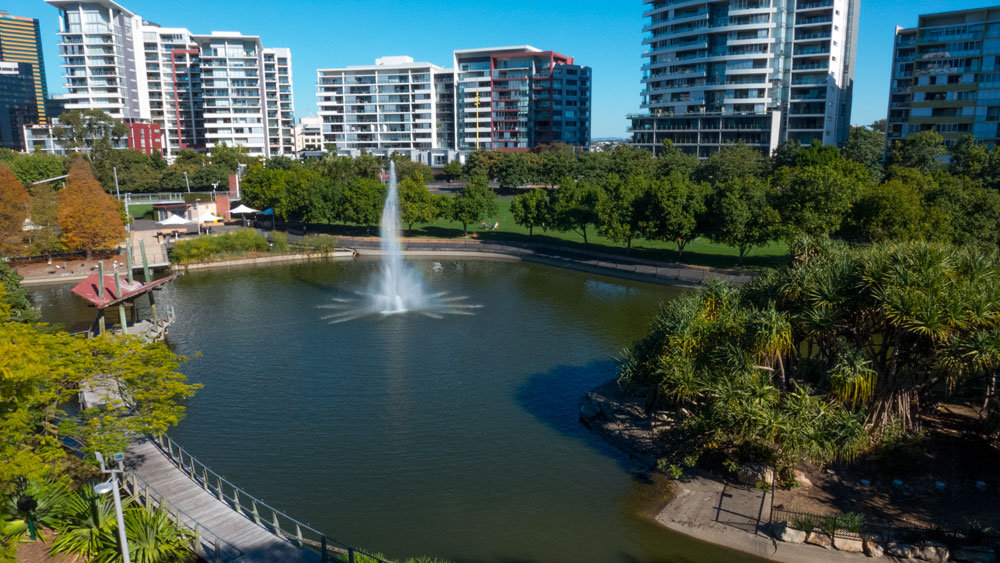
The Queensland state government spent millions on the Roma Street Parklands. This parkland was set to add huge value to any apartments built around its edges. One would have thought that the City would have insisted on at least some higher levels of design for such buildings. Continue reading Roma Street Parkland, Brisbane, Part Two
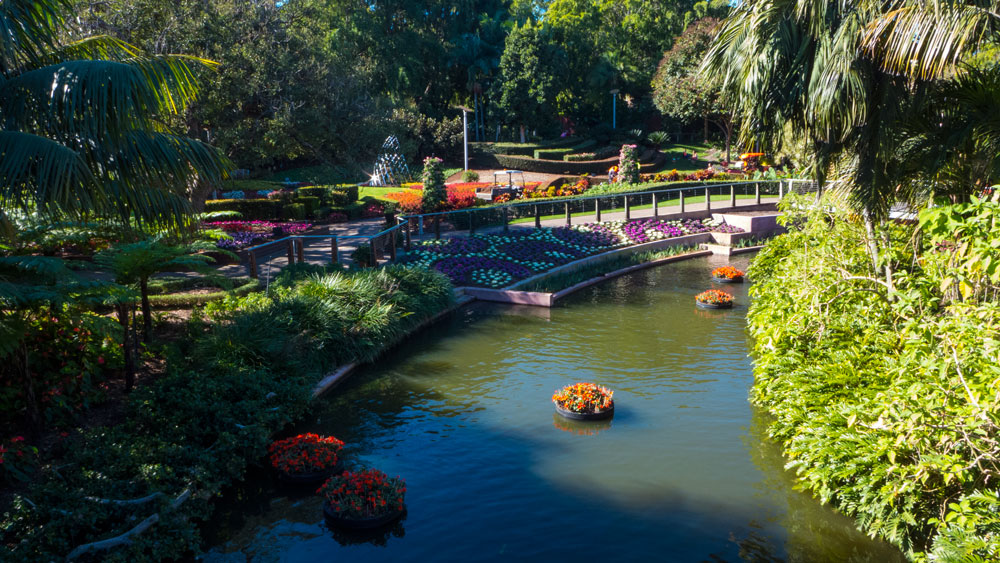
I first visited these gardens and parklands back in 2004 and was very impressed then. This parkland project was a major commitment by the then state government to re-develop a former industrial site and to join it to the existing Albert Park to form one larger parkland, the Roma Street Parklands. I highly recommend anyone and everyone visiting Brisbane to allocate at least an hour to wander about these parklands ten minutes or more away from the Brisbane CBD. (click on any image to enlarge it)
A video, about six and half minutes, introducing the concept of valuing landscape and the link to liveable settlements.

——————————–
see also – Sustainable Sites Initiative
——————————-
Paul Costigan, 24th June 2014
In recent weeks and months there have been several significant development proposals announced by the territory (ACT) government in Canberra. If all the government’s ambitions come to fruition then residents about to witness some very serious alterations and additions to the make-up of several parts of the inner city urban fabric.

Silent rooftop wind turbines could generate half of a household’s energy needs
How are we being served by our professions in their provision of buildings and landscape projects? The highest priority for the future of the planet remains that every action be taken in the context of addressing climate change adaptation.