A web blog recommended
Sustainable Communities South Australia Inc.
Building resilient communities to achieve a one planet lifestyle

click on the image for more. and please let us know of others that we could feature.
Sustainable Communities South Australia Inc.
Building resilient communities to achieve a one planet lifestyle
click on the image for more. and please let us know of others that we could feature.
That parts of Brisbane are ugly and the local government has allowed this to happen
Part Six of Six – some final words
See previous: Part One – Part Two – Part Three – Part Four – Part Five
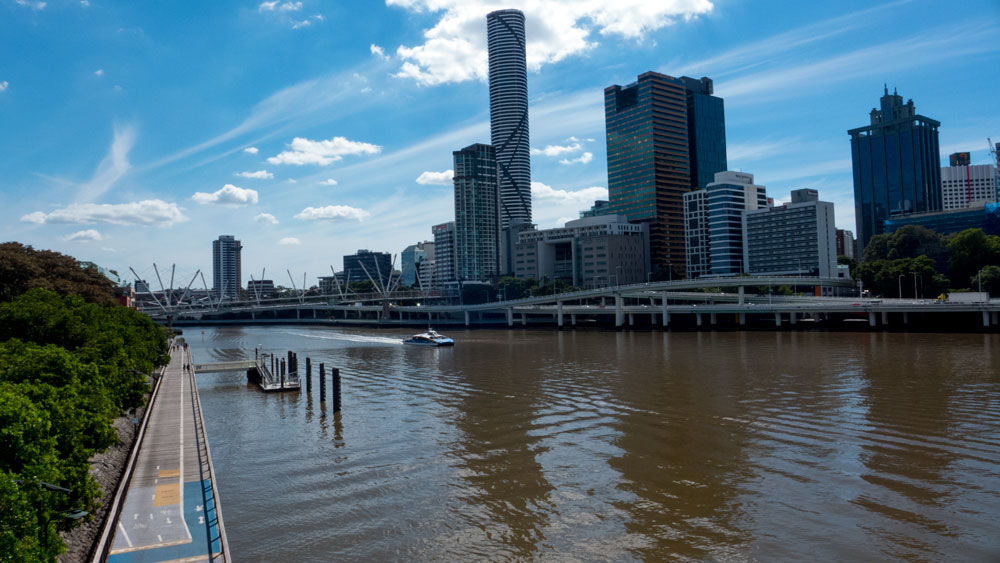
Brisbane definitely would not win any ‘most attractive city award’.
 So we have governments in Australia trying to make political capital out of any proposals on infrastructure. Have we ever considered how other governments travel when it comes to delivering on infrastructure. Well let’s try Italy.
That parts of Brisbane are ugly and the local government has allowed this to happen
Beauty in urban development is something we should insist on!
Part Five of Six – South Bank and West End.
Links to all: Part One – Part Two – Part Three – Part Four – Part Five – Part Six

There is no doubt that there are aspects of Brisbane that a far more interesting than the city centre. South Bank and the West End are such places. South Bank Parklands have been managed well for years up till now – but I am not so sure about the current management.
South Bank is a place for leisure, for the family, for picnics, for food and cafes and the cultural centres, for events, and especially for culture such as visits to the state gallery.
That parts of Brisbane are ugly and the local government has allowed this to happen
Beauty in urban development is something we should insist on!
Part Four – nearby the Brisbane Central District
Links to all: Part One – Part Two – Part Three – Part Four – Part Five – Part Six

There are aspects of Brisbane are beautiful. The river is magic. The photo above, taken some years back illustrates this. The evening lights enhance the unfortunate placement of major roads along the river’s edge. These freeways are transport engineering successes but are barriers to any hope of joining the city to the river.
That parts of Brisbane are ugly and the local government has allowed this to happen
Beauty in urban development is something we should insist on!
Part Three – Brisbane Central District
Links to all: Part One – Part Two – Part Three – Part Four – Part Five – Part Six
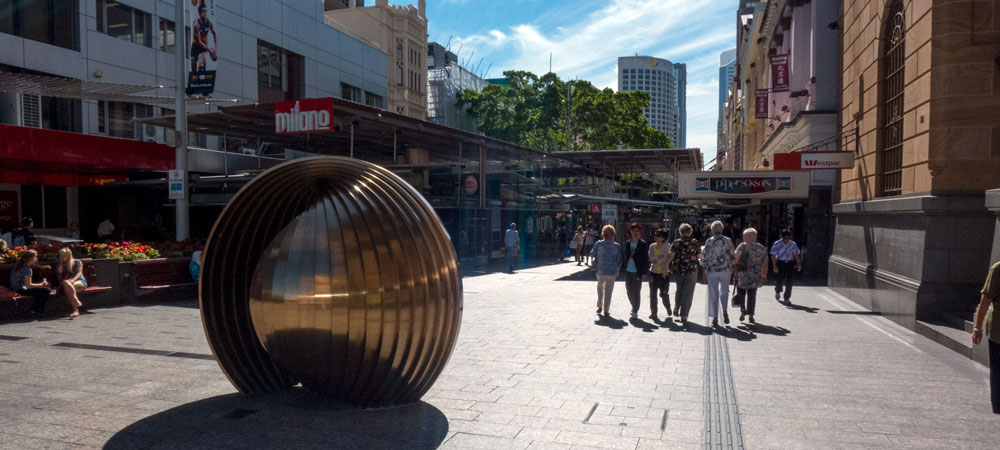
The central area of the city of Brisbane has evolved into a modern city with many historic buildings surviving. These heritage buildings are now surrounded by an over abundance of glass and concrete walls of taller office building. It is not a pretty sight.
That parts of Brisbane are ugly and the local government has allowed this to happen
Beauty in urban development is something we should insist on!
Part Two – arriving from the airport
Links to all: Part One – Part Two – Part Three – Part Four – Part Five – Part Six
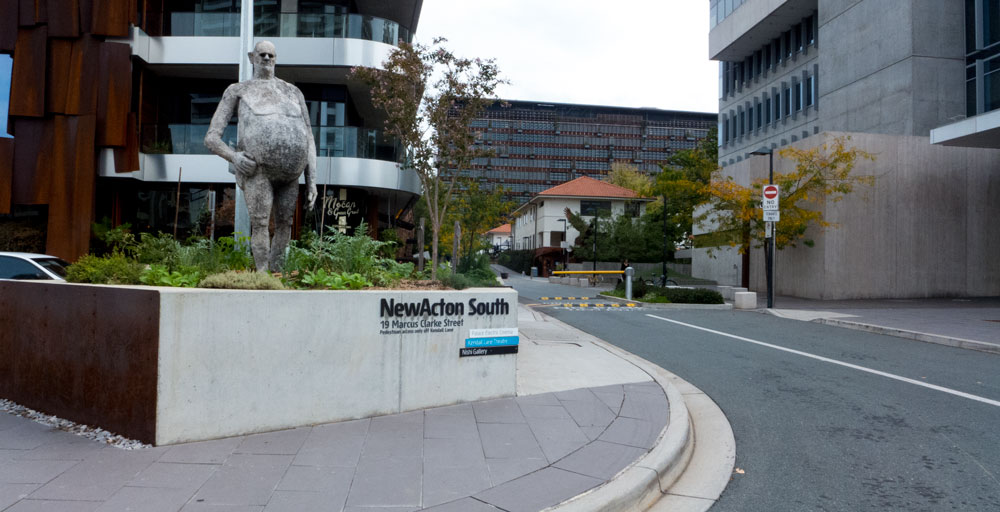
There was much ado about this whole precinct development when it was being built and this continues through to today. Having visited the site a few times now, to meander, to eat, to meet for coffee and the occasional business, I have to say that it is a very mixed result. It is worth a visit on a busy day to see for yourself. But it does not match some of the rhetoric that has been put about – click here for an example of some project-porn spin*.
That parts of Brisbane are ugly and the local government has allowed this to happen
Beauty in urban development is something we should insist on!
Part One – commenting on the News and its response to Alain
Links to all: Part One – Part Two – Part Three – Part Four – Part Five – Part Six
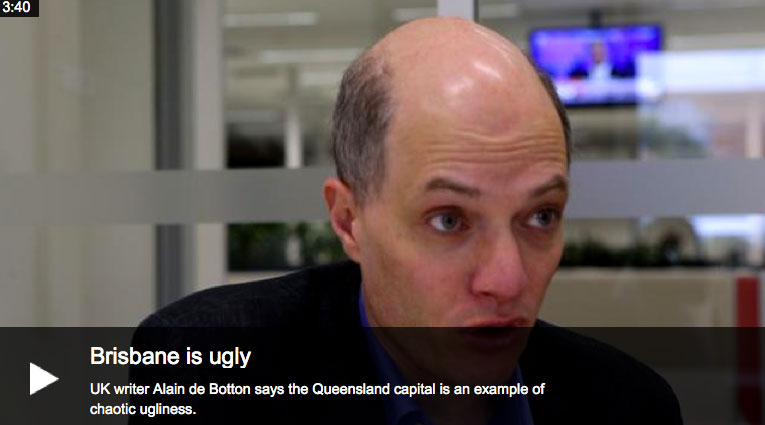
A mild storm recently broke in the media around comments made by Alain de Botton. To view one Brisbane local news piece on this and see Alain respond – click here. I was alerted to there being something wrong here when certain commentators responded. Oh the media just did not read his new book on the media!
The Huffington Post presents a wonderfully optimistic report about a city that is often regarded as being a terrible example of urban development. I disagree. It has many things wrong with it but if you spend time there you can see that there are some really great things happening. All cities have their problems and many do not much to boast about.
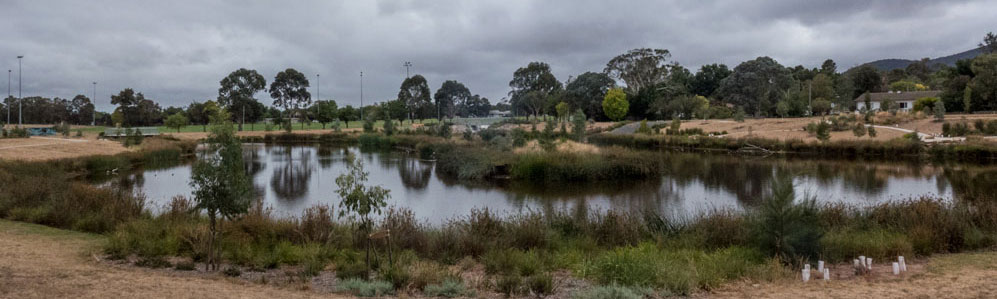
Australia has a very mixed understanding and relationship with wetlands. I happen to be fortunate to live close to one. This came into existence just a couple of years ago when the local government transformed a disused and degraded parkland into a wetland attached to an old style concrete drain.
 Feathers have been quietly ruffled locally as the ACT Government (local government for Canberra) has announced it is to introduce a new proposal that would see identified precincts developed using a fast-track development process. This change to planning has been reported on in the Canberra Times and should be read before reading my comments that follow below – click here
What follows was edited down as a ‘letter to the editor’ on this subject.
Continue reading Canberra Urbanity – Fast Track Developments
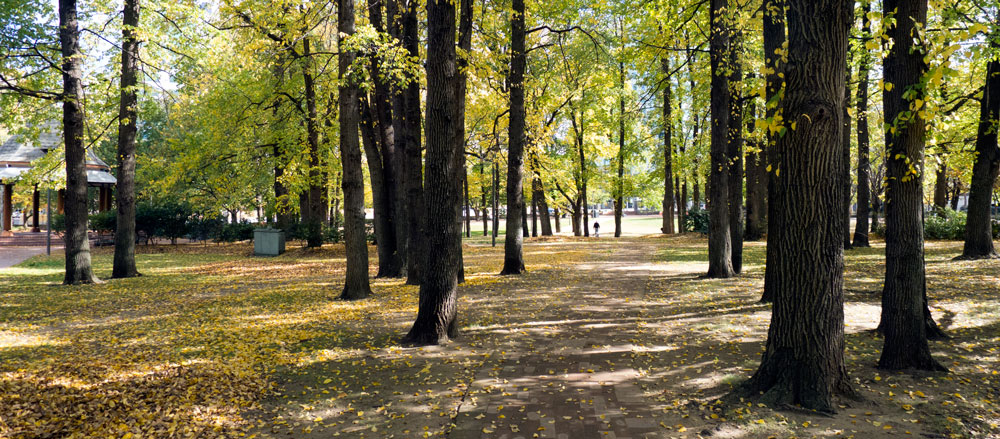 There’s many a piece of research and publication about the links between access to parks and people’s health and wellbeing. Any urban area that includes ample public green spaces will always be sought after and the benefits are evident in the community attitudes towards their residential areas. Parks enhance the sense of community.
Happy City, Charles Montgomery, 2013
 From the blurb online:
“A brilliant, entertaining and vital book. Montgomery deftly leads us from our misplaced focus on money, cars and stuff to consider what makes us truly happy. Then everything changes – the way we live, work and play in humanity’s major habitat, the city.” – David Suzuki
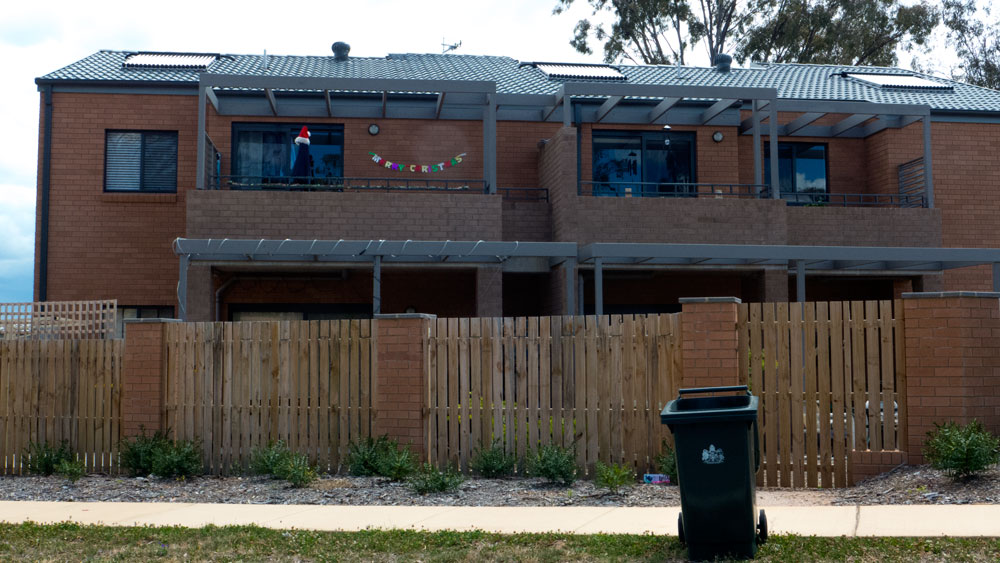 I was attending a meeting of combined community council two years ago, when to members of the public who were in attendance made very similar appeals. Both were very upset with the quality of the redevelopments that had appeared within their street, despite the local communities objections about key aspects of the developments.
As far as I could ascertain, they were not necessarily opposed to the infill of their suburb. It was more about the nature of the apartments being built.
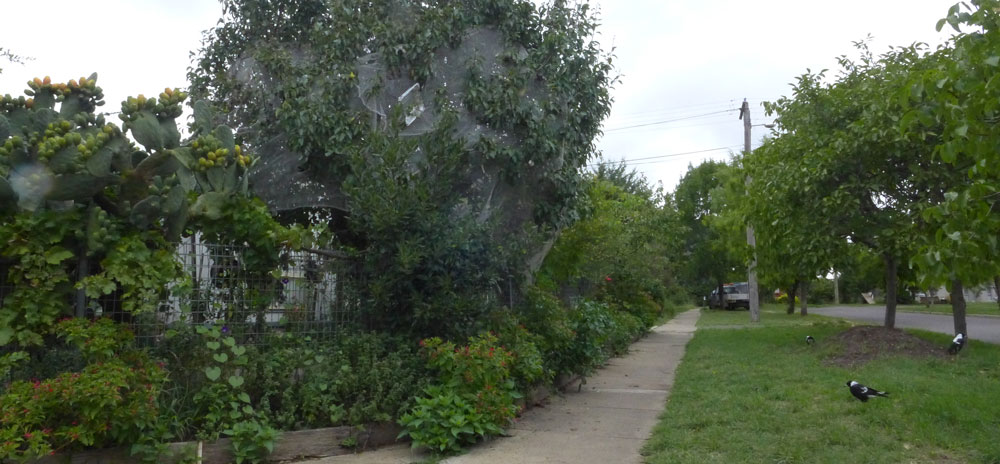
There was a routine piece in the Canberra Times about the current heat wave, temperature around and above 40 Degrees Celsius, and backyard trees or in some case about the lack of them. The article pointed to the now well established reality, that during such times those residential properties that lacked shade were suffering higher temperatures.
Sydney’s Central Park development, Chippendale, Sydney
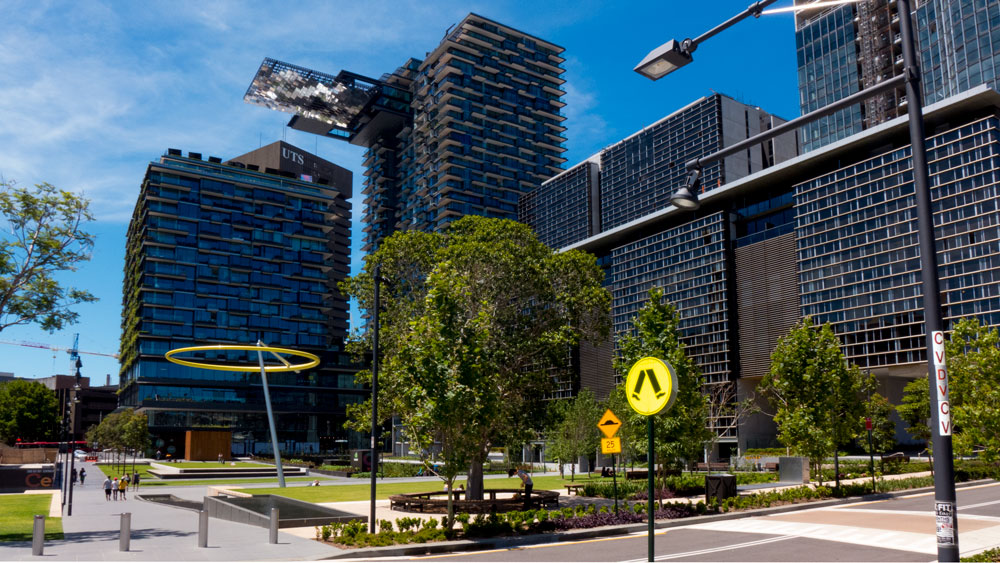 photographs by Paul Costigan – click on image for larger
The Central Park development of the old brewery site opposite UTS in Sydney, has attracted much attention in the last couple of years. Most of this was in the form of churnalism, being column space based on using the developer’s media releases. There has also been the expected paragraphs of praise by ‘industry’ experts in profession’s trade magazines.
 It has been while watching the episodes of that wonderful program (on DVD), Montalbano, that the beauty of the Sicilian cities has been revealed. They are just fabulously charming. (see footnotes)
These are very Mediterranean city scenes with off white buildings, tight streets and plenty of lanes and hill-side stairs.
What is missing are the trees. There are the few decorative ones and those on the surrounding hills. But for one brought up with the luxury of lush street trees, green front yards (lawns) and sidewalks, these streets and lanes are very devoid of greenery.
Beautiful – but bare.
About two years ago, during 2010 – 2011, this quiet residential area in the inner north of Canberra was the battle ground over a very silly proposed redevelopment of two blocks of land.
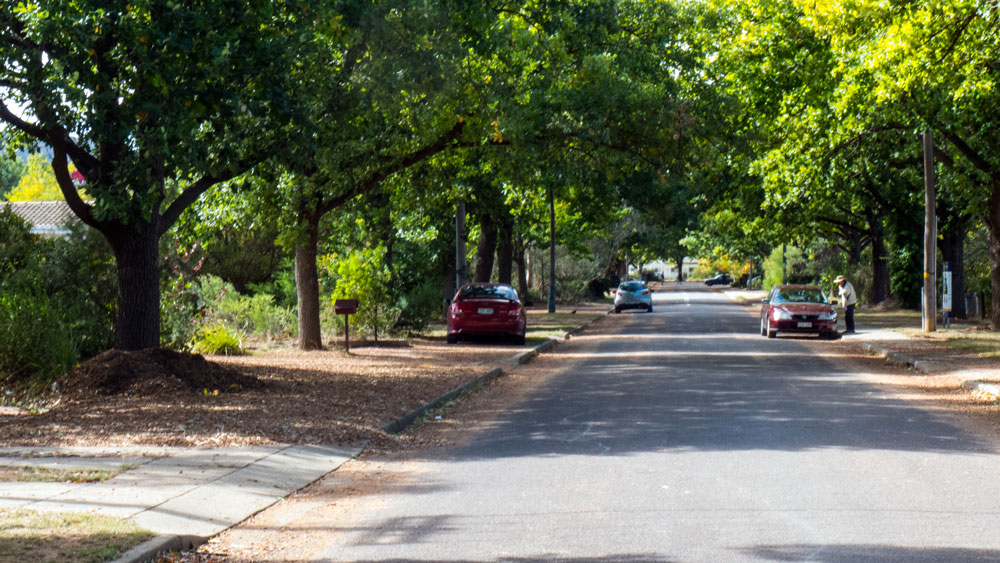
Once the residents had been through the tribunal process, and before the decisions were handed down, the complex chain of events was documented. It is called Do Onto Others.
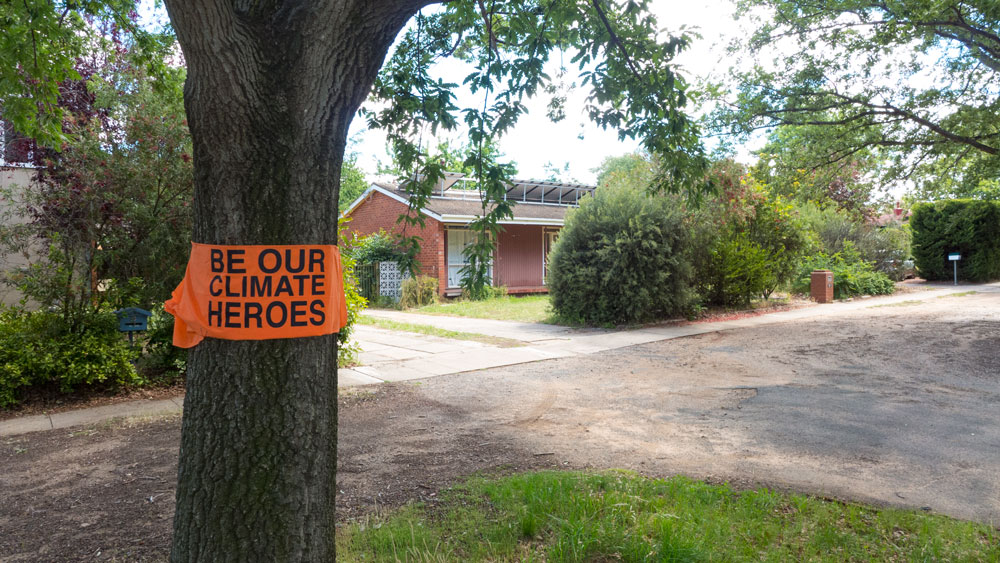
Dealing with the complex issues of climate change adaptation should by now have become a priority and part of the everyday for any local government in their oversight of design, planning, development and the re-development of our settlements.
Here in Canberra we have been the subject of a decade or two of pronouncements from newly appointed chief planners on how they are to oversee development that is sustainable and .. lots of other spin that always sounds so sensible!
Jack Ross Park, Kingston Foreshore, Canberra
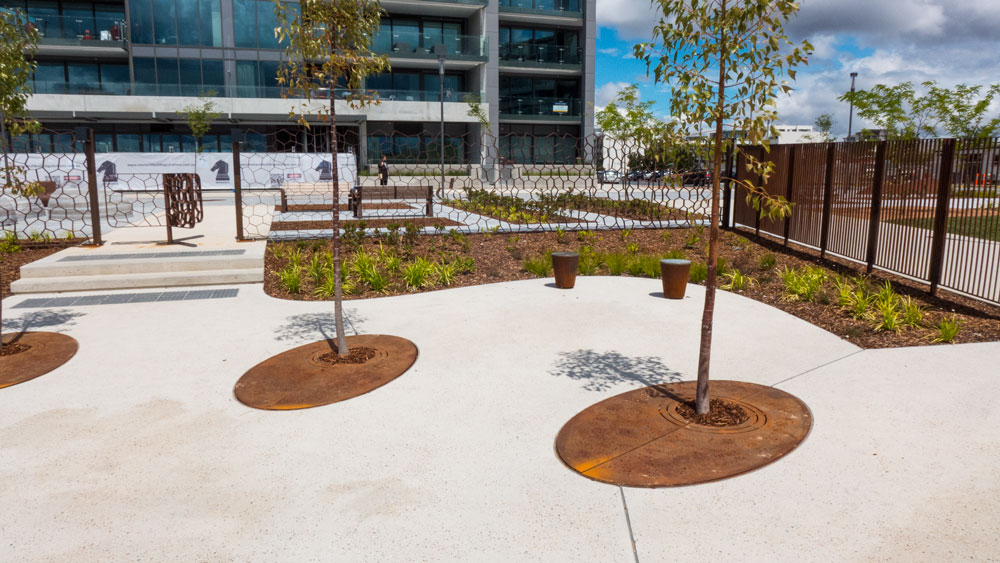
This is a first venture into the new park within the slowly evolving foreshore development at Kingston , Canberra. First impressions are of lots of detail, very contemporary and any park besides the lake is to be a welcomed addition to local amenities.
I refer to what looks at first as if it is another informative article in the Guardian Australia. Click on the image below. Unfortunately this great online newspaper has been infiltrated.
The author of this piece has not declared a very close interest in the project.
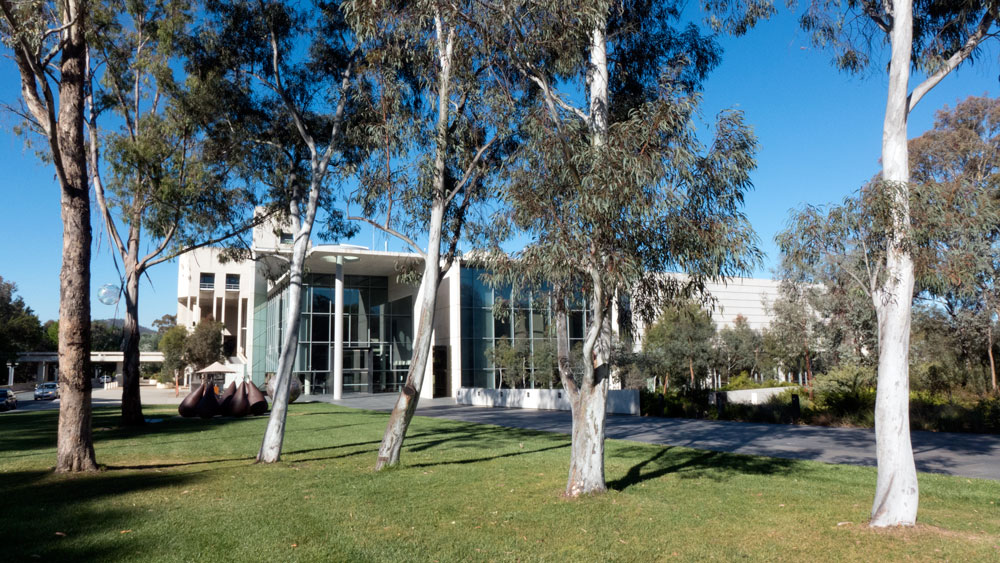 It was while standing in front of the National Gallery of Australia (NGA), that it occurred to me that the extension, which includes the new entrance, had not figured in awards. I am fully aware of the controversies about how these extensions came about. Should any of that have excluded this architectural addition to the nation’s art gallery from being the recipient of awards.
I intend to write more about the NGA in the near future, but for now I my curiosity has turned to the architecture awards as run by the national professional body, the AIA. These awards are lauded nationally, so why not apply a reality check as to how their award winners really stack up.
Bishan Park Singapore
Question? Can a professional in a large bureaucracy bring about change?
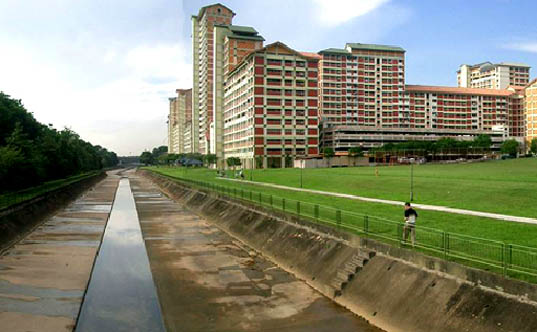
The above image is of Bishan Park in Singapore until a senior landscape architect within the Parks Board had a great idea. Why not change this unattractive engineered solution back to being part of the river? Apparently he pushed hard for the idea to be taken up and eventually won the day. We visited this park in 2012 and were impressed by the difference a great idea and determination can deliver to the local population.
Canberra’s Champs-Elysees? Get Real!
 The redevelopment of Canberra’s Constitution Avenue has been long in coming and the ACT Government has today announced its plans for the next stage.
Unfortunately someone has bravely announced that it will be Canberra’s Avenue des Champs-Élysées. Does that mean there will be an equivalent of the Arc de triomphe, the avenue is to be lined with large international expensive shops, huge crowds day and night, massive amounts of traffic (four lanes each side) and a host of ever-present scammers and pick-pockets.
Trees are important in our urban environments. They are part of our urban green infrastructure and perform important roles assisting in health and well-being as well as climate change adaptation.
And they are just beautiful. I like trees.
The Australian politicians were called on to address climate change over a decade ago (at least). Local community groups have recognised the need for climate change adaptation and have been frustrated with the lack of meaningful leadership that should be offered by elected officials.
The mainstream press, as led by Murdoch, and the ABC have provided their own biased information on these complex topics. The general public has received mixed messages instead of meaningful and useful information based on the overwhelming scientific evidence.
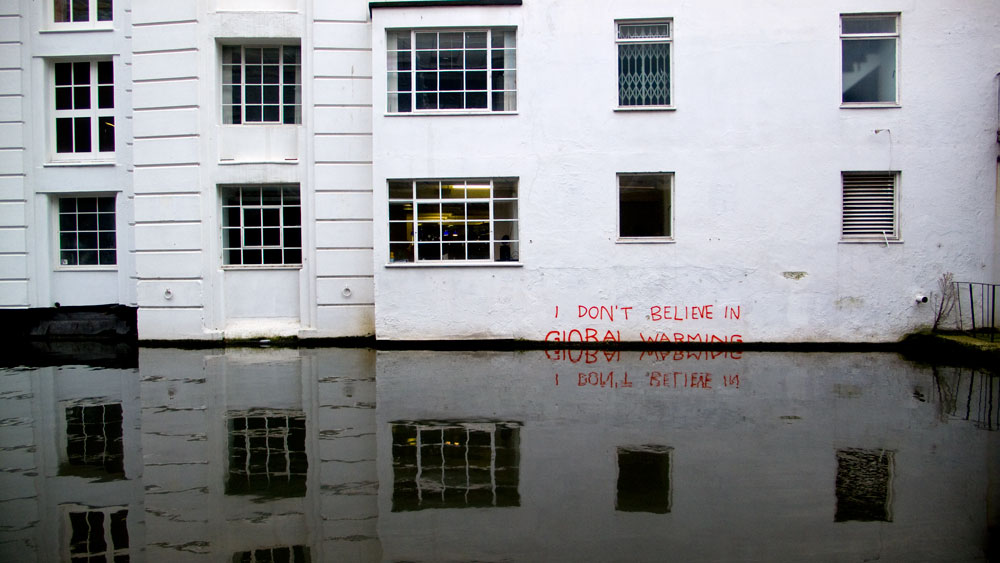
There has been a bit of noise of late around the proposals that the ACT Government is to introduce a light rail system into Canberra. In the first instance the rail will connect the inner north and the newer northern suburbs through to Civic, the main CBD area.
The light rail should have been there at least 20 years ago. It will be an interesting problem to make it viable now. Some form of transit system is required but so much of the infrastructure around it will need to be also altered. The city was built for cars. Many issues to be worked through. For instance ….
Canberrans, along with most Australians, love their green grassed areas. Mowed lawns have been part of the tradition of our backyards and of our open spaces in which we play, walk and relax.
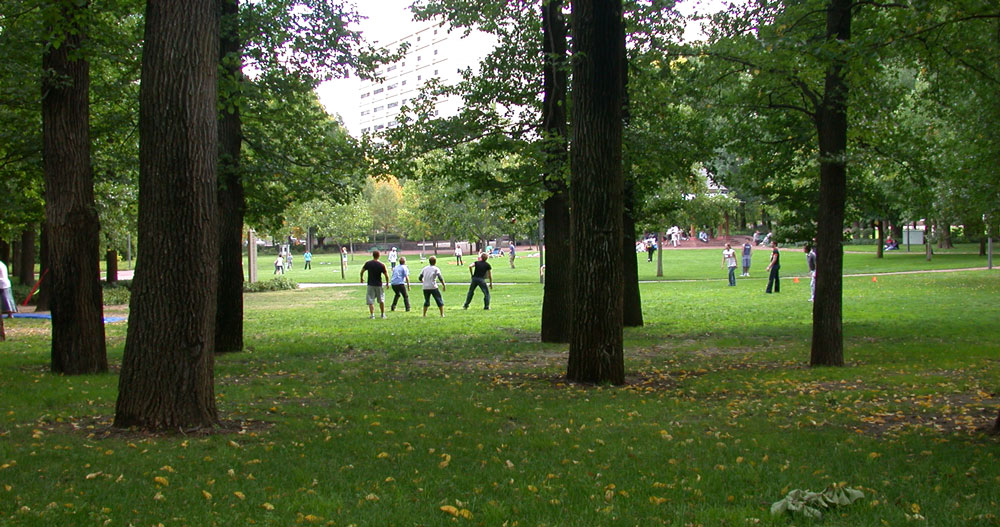 (Glebe Park Canberra)
this will be the first in a long series on this topic – also note that images are sourced from research papers that can be accessed by clicking on the image.
This is a cautionary tale on the dilemma faced by those who embrace the idea that our cities and suburbs are going to change and redevelopment is to happen.

The expectation of the citizenry is that they elect local, state and federal governments and that part of the remit for government is to provide built environments for the present citizens and future generations. The housing and associated amenities thus provided should enhance the residents opportunities to have a good life through being housed in healthy, sustainable and livable urban environments. Continue reading Development Dilemmas
Thinking outside that box
originally published Monday, 16 September 2013
Civic was established to be the main metropolitan centre of Canberra. Back in the 1970s and into the 1980s this was the heart of Canberra and had developed its own culture. People would go there to be seen, to meet and to shop. The outer centres were yet to offer the same level of amenity.
The Canberra Centre was a small mall. So most of action was out in the open areas, Petrie Plaza and Garema Place and the spaces along City Walk.
Are we to be served?
originally published Monday, 9 September 2013
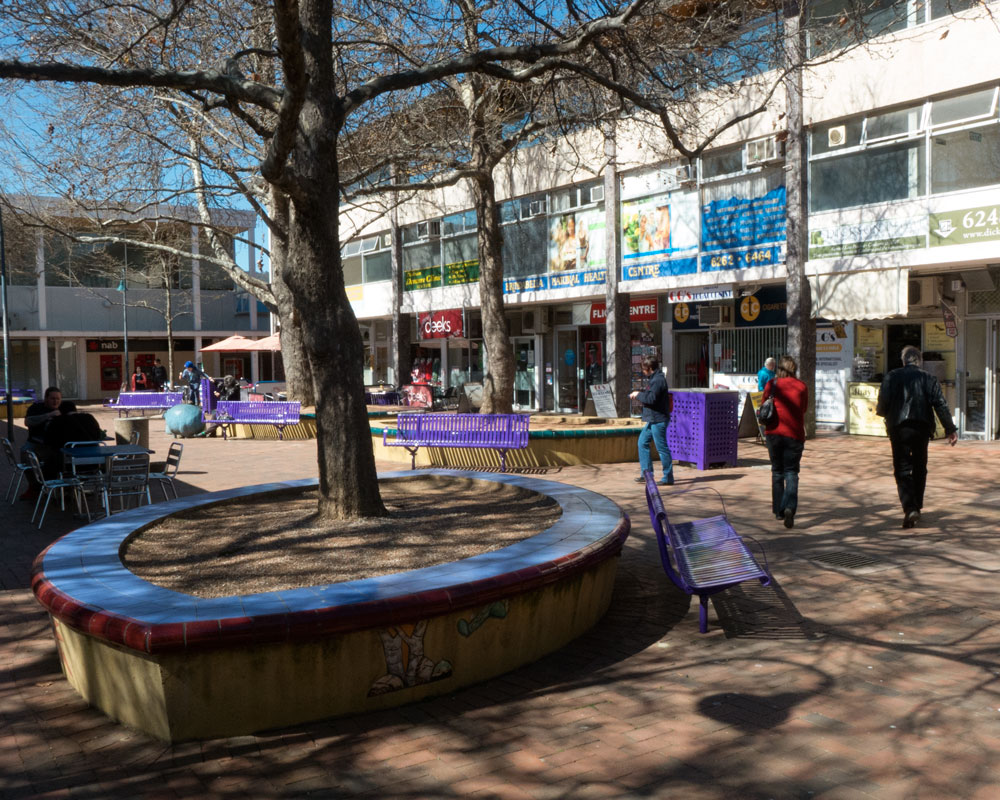
I was having a quiet moment with friends at the Dickson shops last Friday, when we noticed that we were being circled by three senior ACT Planning officials. We recognised two of them as senior planners, the other was the legal combatant from the famous Marsden Steer battle (link to follow).
 We remembered well this guy’s vicious treatment of the residents who were appealing the planning decisions. His way of dealing with the case was best summed up by another resident (a mother) who said, ” now I know where those playground bullies end up!”
original published November 2010
DESIGNS ON THE FUTURE FOR CANBERRA RESIDENTS
The debate in Canberra, particularly around my own suburb of Dickson, of the future of infill and the need to redevelop our suburbs has now focussed on the dire need to change the way this territory does the business of planning and development. The Canberra community is not fighting to halt development, but is wishing to influence the planning and development decisions to ensure that development delivers on the needs of present and future generations, the young and the elderly, and need to address the full range of human and environmental issues – being housing, health, ecology, transport – and you know the rest. Continue reading Canberra Urbanity
originally published May 2013
If you had not heard, Canberra is celebrating 100 years. Right now the city is in the advance stages of winter, with all signs being that it will arrive seriously on our leafy door steps this time next week.
This is one of the pleasures of being up here on this hinterland and in the middle of the countryside where someone about 100 years ago thought it wise the plonk the national capital. Because of the location, we get to experience the full gamut of the changing seasons. And right now it is getting cold. Continue reading The Art of Trees
Are we being served?
Originally published January 2011
Christmas meanderings through Canberra inner north suburbs was a very pleasant way of exercising. The streets were very quiet and the weather very accommodating for these excursions. It was also a timely chance to observe the local levels of commitment to dealing with climate change. It seems every other street in inner Canberra has some form of house being rebuilt or refurbished. But the real attention within the local communities has been on proposals for knocking down adjoining homes and their replacement with multiple units. Continue reading Canberra Urbanity
The Dangers of being Malled
originally published December 2010
In late 2010 I took a photo of a Christmas tree in the main street of Geelong. The structure was all lit up and stood a proud three stories high. What is striking about this image, taken around 5pm one evening, is that there are so few people in the photograph. Elsewhere at this time of the year the streets and plazas are busy with Christmas shoppers and those out for a very warm evening’s promenade. Continue reading Canberra Urbanity
Views from the front veranda
originally published December 2010
There’s something very peaceful about returning to this suburban street after working interstate for too long and too often. Here we sit amongst the intense greenery of Dickson, the rush of breezes amongst the lush trees with the occasional squawk or chirping of birds. Layered on this filters in the voices and music of the three young renters next door, the sounds of the baby from the newly arrived couple across to the left, the chatter of the seven-year old with her parents heading out on bikes, the sound of students coming and going down the road, and of course, a dog or two (as there always seems to be around here). Maybe soon this will be joined by the sound of one of the immediate neighbours and their teenage children enjoying dinner outside tonight. A diverse mixture in such a small part of Dickson. And this is what the ACT Planning Minister sees as a threat! Continue reading Canberra Urbanity
ROAMING your backyard
originality published 2010
I took a call recently from a local newspaper. I was being asked to comment on the future my own neighbourhood and a recent meeting between residents and ACT Government officials. What the journalist did not appreciate is that I was sitting on the side of my vege garden having been interrupted planting the summer crop of vegetables (it was Sunday). However the situation of talking politics from my own backyard was very appropriate. Continue reading Canberra Urbanity