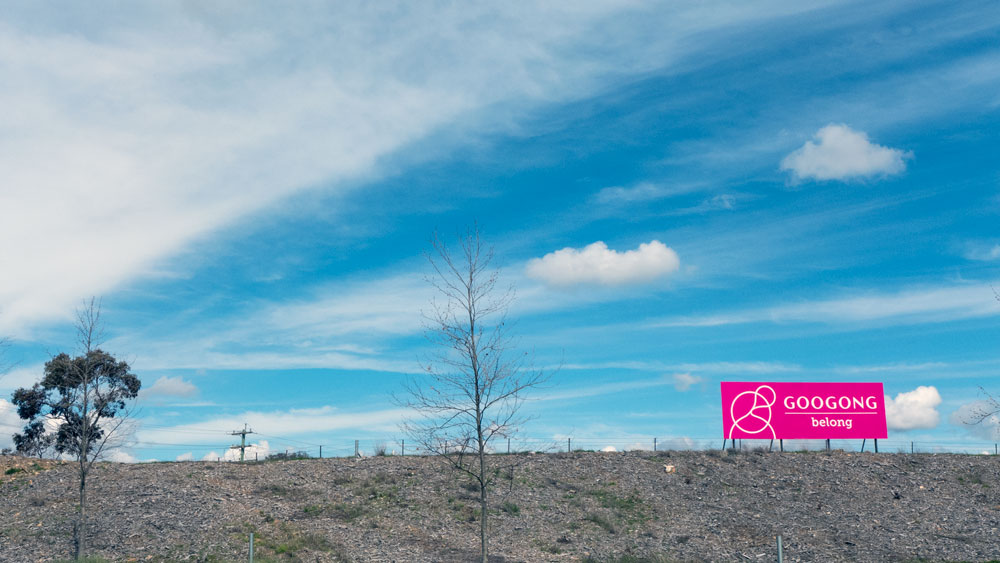
With the debate in Canberra about housing affordability, the ACT Liberals have been using a particular line in their election statements to criticise the current government’s Land Development Agency (LDA) and its handling of land prices.
With the debate in Canberra about housing affordability, the ACT Liberals have been using a particular line in their election statements to criticise the current government’s Land Development Agency (LDA) and its handling of land prices.

There’s a 1989 song by Pere Ubu, Flat, that has the following lyrics, “In the early part of the 20th Century, Deep inside the American wilderness, In the state of Kansas – 82,000 square miles of flat -There were two automobile cars. On July 5th 1904 they ran into each other”.

Canberra’s planners in the 1950s and beyond delivered an infrastructure made for cars. There were even major freeways planned (a story for another day).

 Streetfight: Handbook for an Urban Revolution
Author: Sadik-Khan, Janette; Solomonow, Seth
New Book – here’s text from the publishers: As New York City’s transportation commissioner, Janette Sadik-Khan managed the seemingly impossible and transformed the streets of one of the world’s greatest, toughest cities into dynamic spaces safe for pedestrians and bikers.
 Imitate to Innovate: Vitoria-Gasteiz Shows How Cities can Address 21st Century Challenges. Click on image for the story.
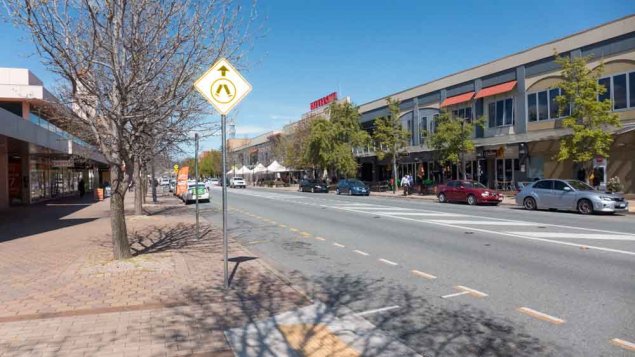
Just when most locals probably thought that there have been more than enough discussions and surveys about the Canberra’s new light rail (or trams), the ACT Government has launched another consultation on the topic.
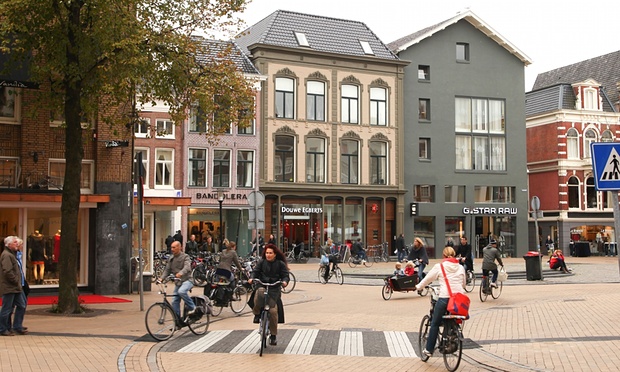
How many time have heard people (motorists) complain about any change to the traffic infrastructure to encourage more people to get on your bike.
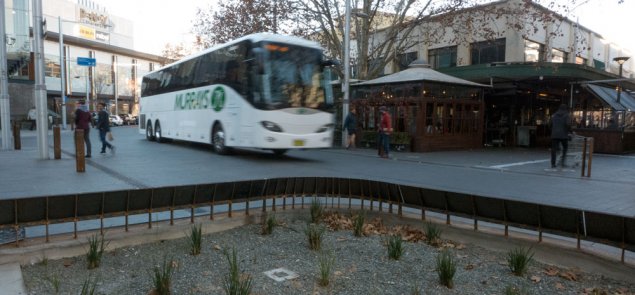
I recently took the opportunity to observe the new shareway along Bunda Street.
 It was during a radio program on the future of Civic, the centre of Canberra, that an architectural academic came forward with his Big Idea on how this city centre could be refurbished. To my surprise the academic suggested that Civic’s pedestrian areas should be opened up for cars. I have to say that ‘architectural experts’ often speak on urban matters as if they are living on another planet.
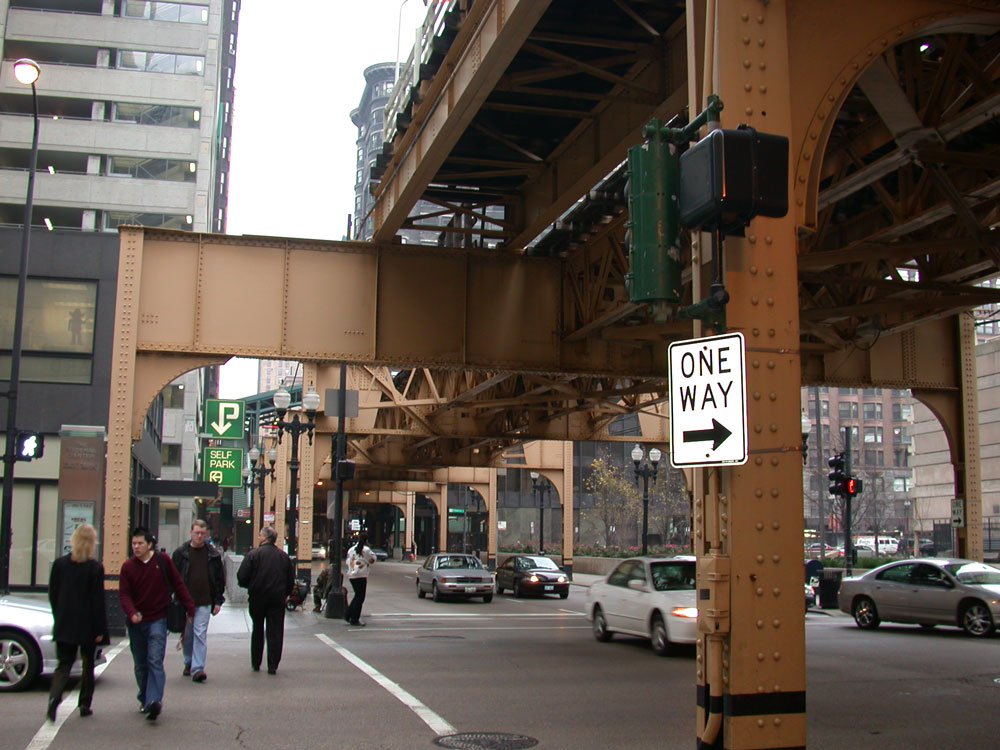
The ACT Government is to implement the city’s first light rail system. Particular lobby groups have been hounding the government about this decision.
 Seven Myths About New Urbanism: Joel Kotkin, a fellow at Chapman University and an untiring defender of the suburbs, begins a recent column in the Washington Post with a valid question: “What is a city for?” He then proceeds to get that question completely wrong. But really, we should be thanking him. In his article, he neatly sums up many of the key myths emerging from the anti-urbanism set, making the job of debunking these myths a lot easier. Click here.
 The Urban Bikeway Design Guide, Second Edition, is based on the experience of the best cycling cities in the world. Completely re-designed with an accessible, four-color layout, this second edition continues to build upon the fast-changing state of the practice at the local level. The designs in this book were developed by cities for cities, since unique urban streets require innovative solutions.
To create the Guide, the authors conducted an extensive worldwide literature search from design guidelines and real-life experience.
LA wasn’t always a driver’s town. In the 1920s, it had the longest urban rail network in the world, and innovative infrastructure was built for cyclists as well. Despite this, Angelenos fell in love with the car early on and moved for more highway projects, making it the road-based city it is today.
——————————
Paul Costigan, 19 August 2014
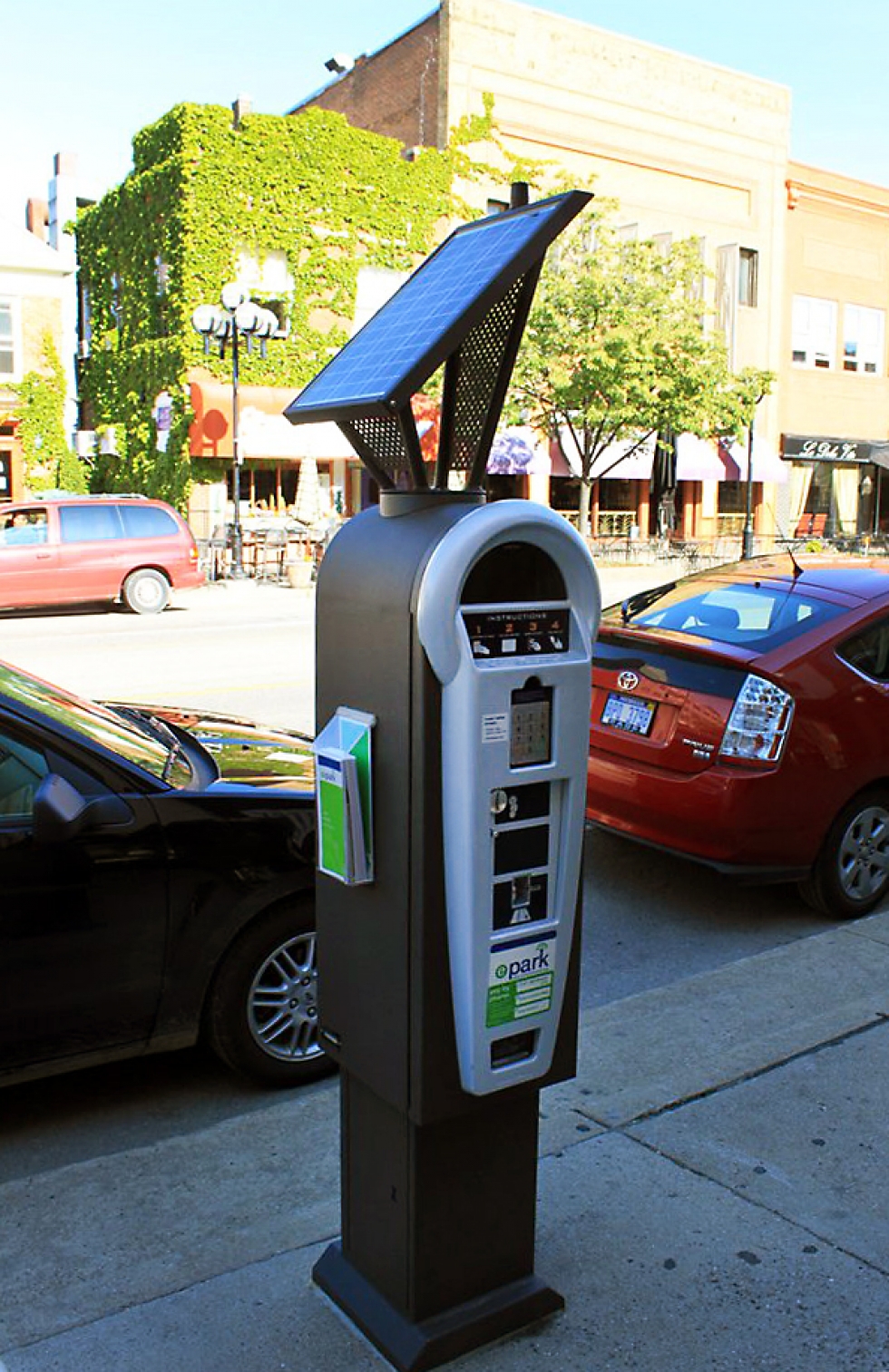 There are all sorts of stories in circulation in Canberra as a result of the decision to introduce paid parking for all areas within the Parliamentary Triangle. This has a big impact on those who work in the area. Some public servants are devising clever tricks to continue to have free parking.
This will also mean that visitors will now have to pay to visit the national institutions and have limited time to visit. This could be a marked change in how visitors regard the national cultural institutions. I know as a local, it will mean less visits to these institutions.
Two reports on the rise in the use of public transport in the USA.
First – set out below is a March 2014 media statement from the On March 10, 2014 by the American Public Transportation Association. or – check out the original on the association’s own web site – click here.
The second is an article in the New York Times, March 10 2014: Use of Public Transit in U.S. Reaches Highest Level Since 1956, Advocates Report – click here
Their guest blogger reports:
By Devon Paige Willis
Devon is doing a Masters program called 4Cities, an Erasmus Mundus Masters that takes students from Brussels to Vienna, Copenhagen and Madrid to study cities. Gehl Architects met her when she was interning at the Montréal Urban Ecology Center in 2013.

When I retire I will write a book called, ‘you can’t make this sh*t up,” said Rina Cutler, deputy mayor for transportation and utilities, Philadelphia, at a National Complete Streets Coalition dinner in Washington, D.C. In a review of her experience serving seven mayors and governors, Cutler revealed the sometimes painful truths about pushing for positive change in urban transportation.
from the Conversation, 24 Jan 2014
With the Rabbott government expressing support for large infrastructure projects in the shape of more big roads, there is the absence of any sense of what some these projects do to local communities. Let’s not also consider how roads encourage more traffic, that is more cars, that is more use of petrol, that is less use of any form of public transport and other more sustainable transport – such as walking.
The New South Wales and Victorian governments have recently released business cases for their pet motorway projects, WestConnex in Sydney and East-West Link in Melbourne. But will these big road projects, costing a combined A$20 billion (with A$3 billion being donated by the federal government), really generate the economic benefits promised? Read the full piece from The Conversation – click here
Public Transit Is Underfunded Because the Wealthy Don’t Rely on It, By Keith Barry 2013
Canberra has traditionally not had a great public transport system. The population is 350,000 and as it continues to climb it is approaching the levels to support some forms of rapid bus transit or a light rail systems. There has been some very strange opposition. Maybe the article from the WIRE magazine goes some way to giving some of the possible reasons behind this opposition.