 It was during a radio program on the future of Civic, the centre of Canberra, that an architectural academic came forward with his Big Idea on how this city centre could be refurbished. To my surprise the academic suggested that Civic’s pedestrian areas should be opened up for cars. I have to say that ‘architectural experts’ often speak on urban matters as if they are living on another planet.
Category Archives: sustainability
Climate Change
 We have a government that lies and denies when it comes to climate change. Click on the image for this story.
North Canberra Greenway

A little while ago, I wrote a few pieces about Braddon. In amongst the many different aspects of the suburb, I brought up the concept of significant changes to Haig Park.
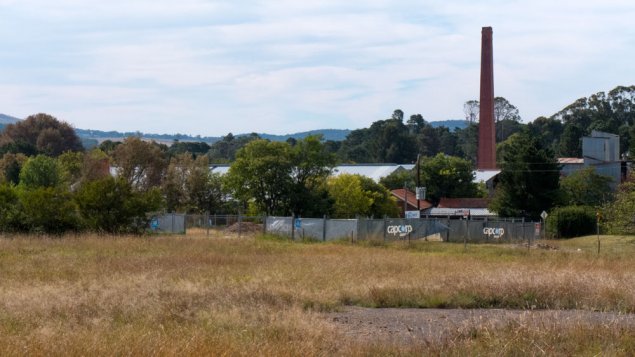
Canberra Brickworks
A new Future for the Canberra Brickworks
 Originally published on RiotACT.
A couple of decades ago, the Yarralumla Brickworks site was home to community markets and a colony of artists. This was the last time I visited the site.
Climate Change
Reality check on Australia
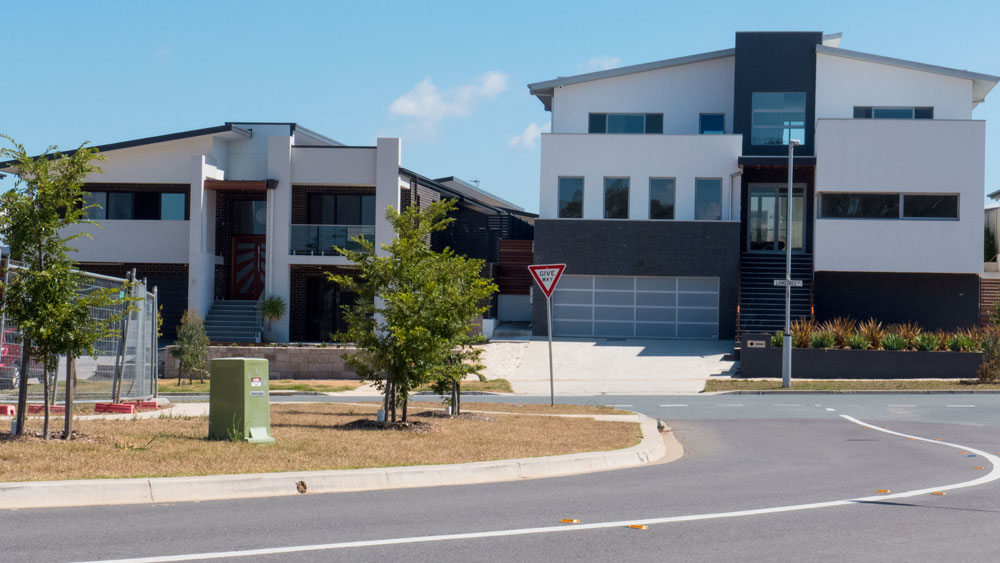 While the many in the world address climate change, the present federal government in Australia continues to prop up Big Coal and anyone else who supports them. So what’s to be done about this? Continue reading Climate Change
Dickson Shops
An update on development in Canberra
Looking to the next elections for resident friendly solutions
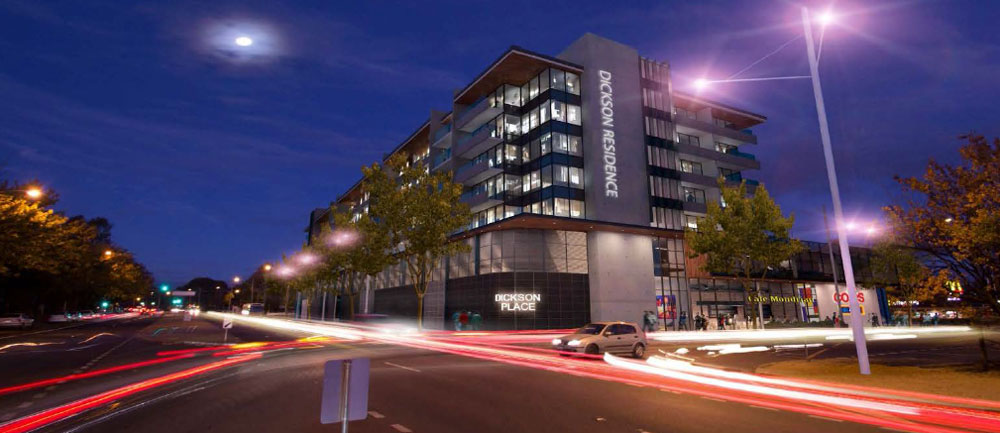 The Dickson residents continue to be disappointed with the ACT Government for allowing so many inappropriate development proposals to be taken seriously. The latest let-down is that local politicians look as if they are allowing a supermarket and residential proposal to progress even though the evidence indicates how wrong it is for this inner suburb.
Architecture: UTS Gehry
The Gehry Building at UTS, Sydney
Review: Dr Chau Chak Wing Building | University of Technology
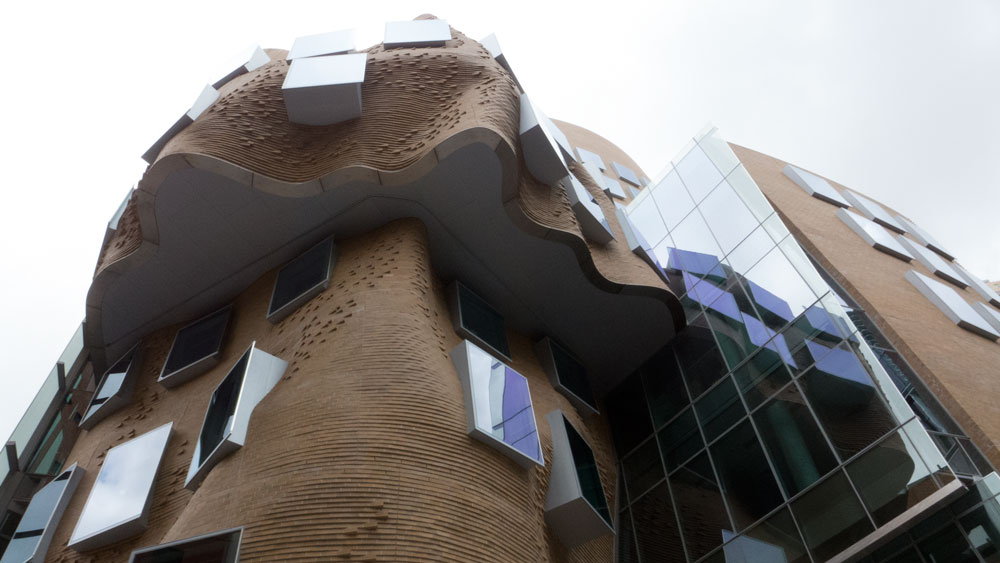 Many universities in Australia have campuses with lush landscape settings. Then there are the universities that are very contained inner city urban environments. In Sydney, the University of Technology (UTS) is one of the latter.
Canberra Planning
The Good and loads of the Bad and Ugly
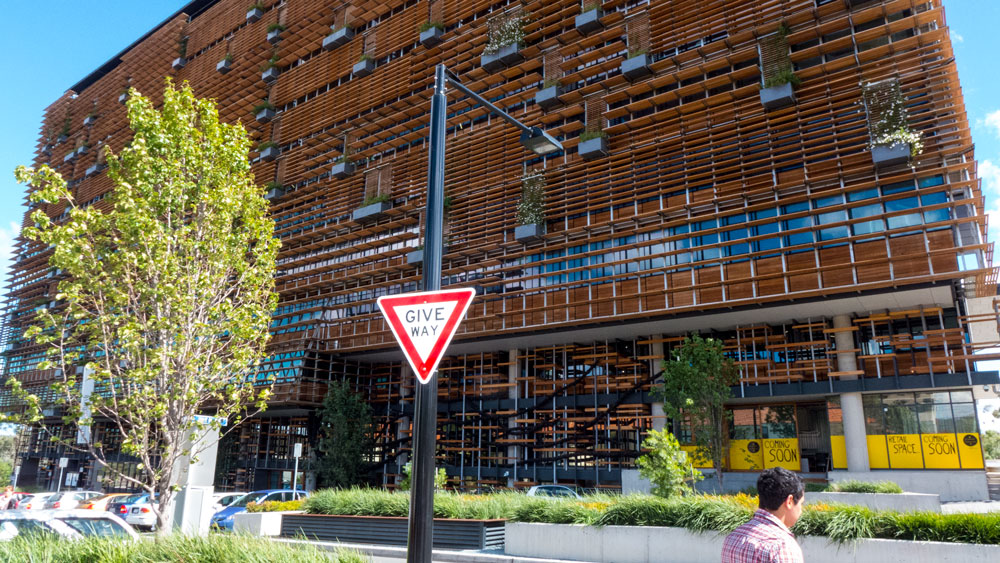 The Property Council has issued another one of their occasional gems about planning and development here in Canberra. This one is titled: Transforming Canberra’s CBD. Sometimes you are not sure whether to laugh or cry when you read these documents.
Yarralumla Development
Development to alter the Yarralumla ambience
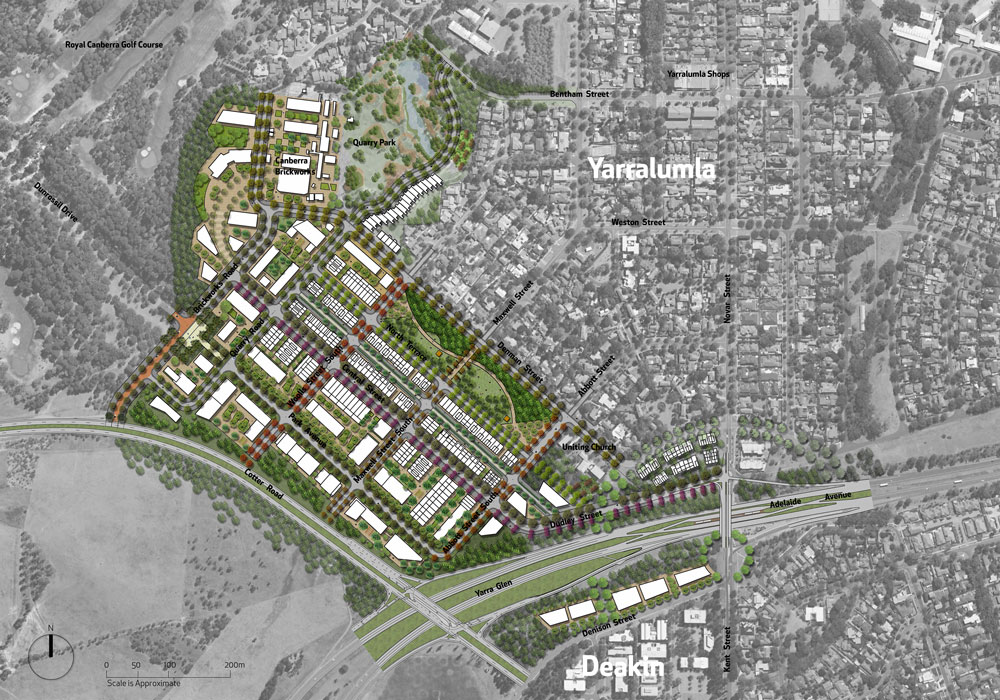 The following is a slightly longer version of a post I uploaded to RiotACT. This post concentrated on the new development sites which will replace much of the greenery around the southern edge of this part of Yarralumla. I have left comments about the redevelopment of the former brickwork’s sit for another time.
Braddon – The Suburb
Comment on the urban changes within Braddon
Following a recent post on the developments happening in the Braddon commercial precinct (click here), I also posted on RiotACT on the surrounding suburb.
Braddon Precinct
Braddon Development on the Cusp
 Here are some thoughts on the redevelopment underway within the Braddon Precinct, being mainly two streets, Mort and Lonsdale Streets.
Canberra Planning
The destruction of Canberra through planning
Canberra as a planned city is a myth.
A New Future for Canberra Planning
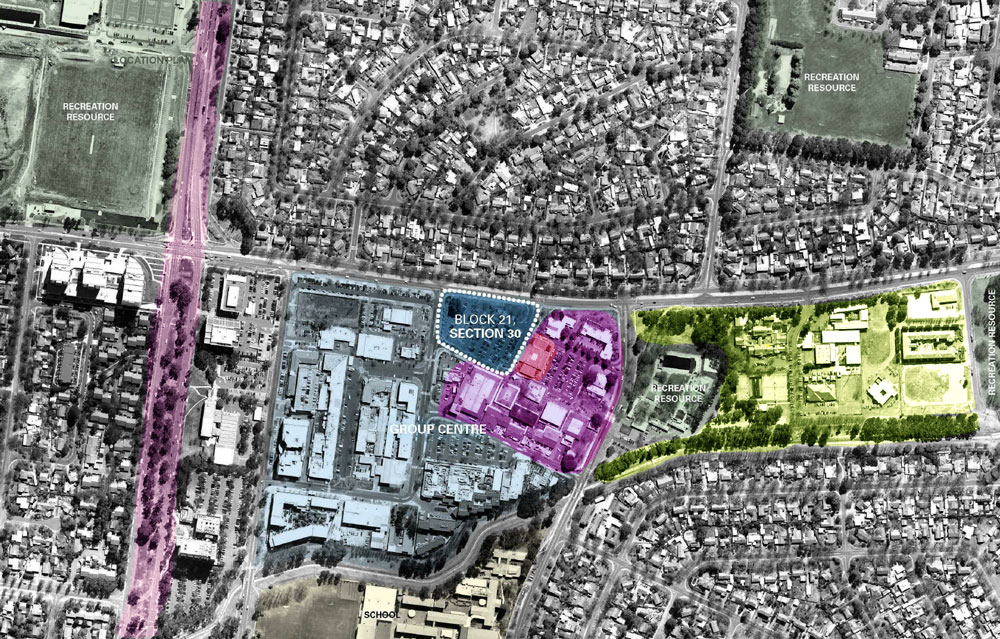
A posting I have uploaded to RiotACT – click here – puts the position that Canberra needs an urgent change a new approach to planning and development.
Crace
A first visit to the suburb of Crace
Crace is a new suburb in Canberra. Click on the image for a short photo-essay.
Dickson shops a major disappointment
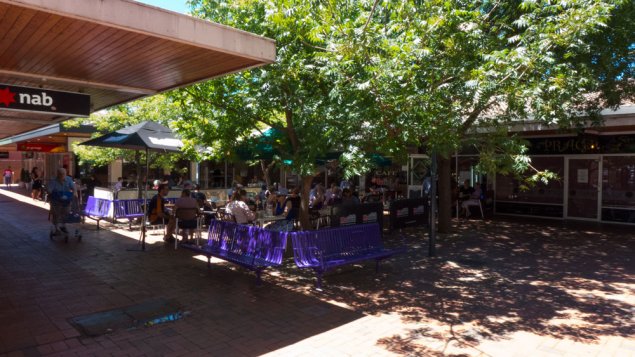 Residents are having to deal with a stupid development proposal that is backed by the ACT Government for a new supermarket in Dickson.
Dickson Shops
Canberra Planning is so wrong!
The thought of how the proposal for the new Dickson supermarket/apartment building was taken seriously by any professional in the ACT Government ‘s Planning Authority is totally unbelievable!
Dickson Planning Consultation Dilemmas
Development dilemmas: part three
The future of the Dickson Precinct and beyond
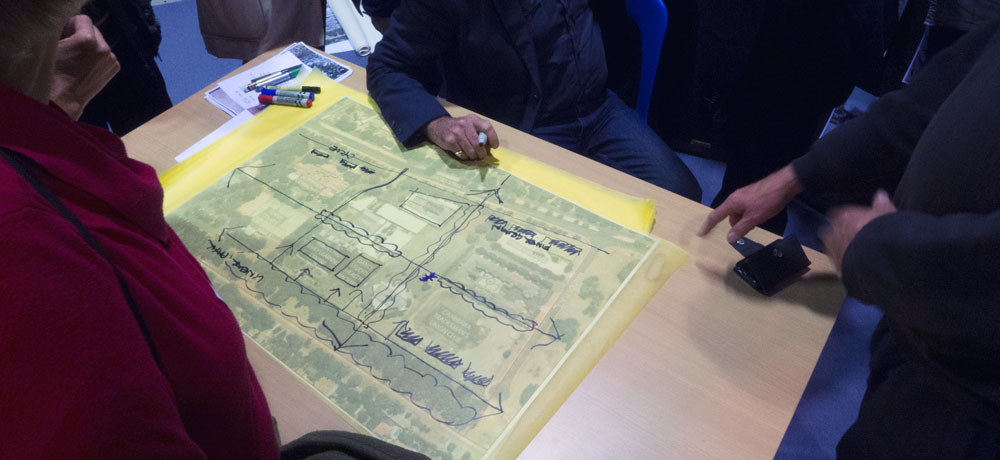
This is the third of several posts on planning and development issues for Dickson in Canberra. Residential groups around the country share similar frustrations, dilemmas and challenges in dealing with planning and development bureaucracies.
Dickson Parklands
Development dilemmas: part two
The future of the Dickson Parklands
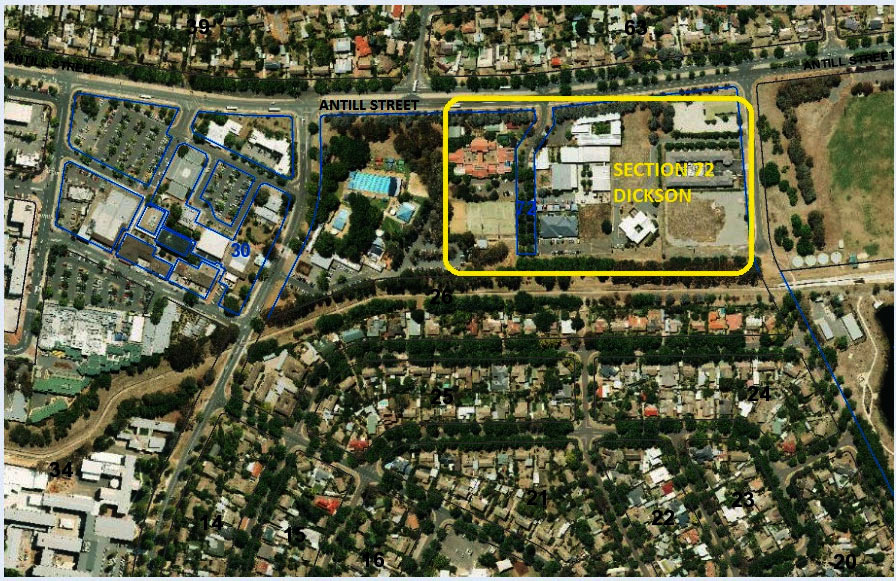 This is the second of several posts on planning and development issues effecting the local residents of Dickson in Canberra. The issues are not unique to Dickson. Residential groups around the country share similar frustrations, dilemmas and challenges in dealing with planning and development bureaucracies.
Dickson Shops
Development dilemmas: part one
Residents and the future of the Dickson Shops
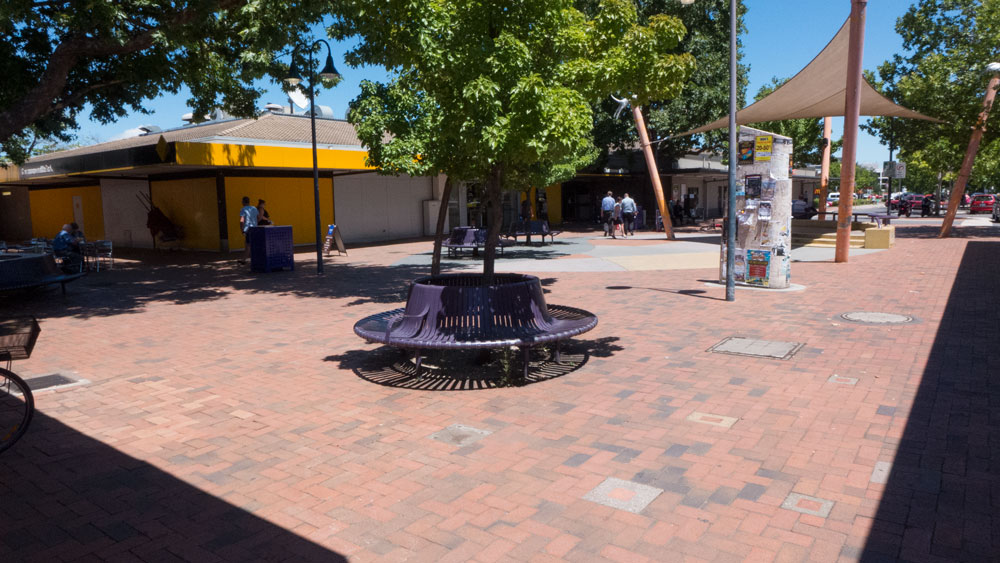
This is the first of several posts on planning and development issues effecting local residents. The stories and issues are not unique to Dickson in Canberra. Many residential groups around the country share similar frustrations, dilemmas and challenges in dealing with planning and development bureaucracies.
Dickson Shops
Dickson Supermarket DA consultations extended
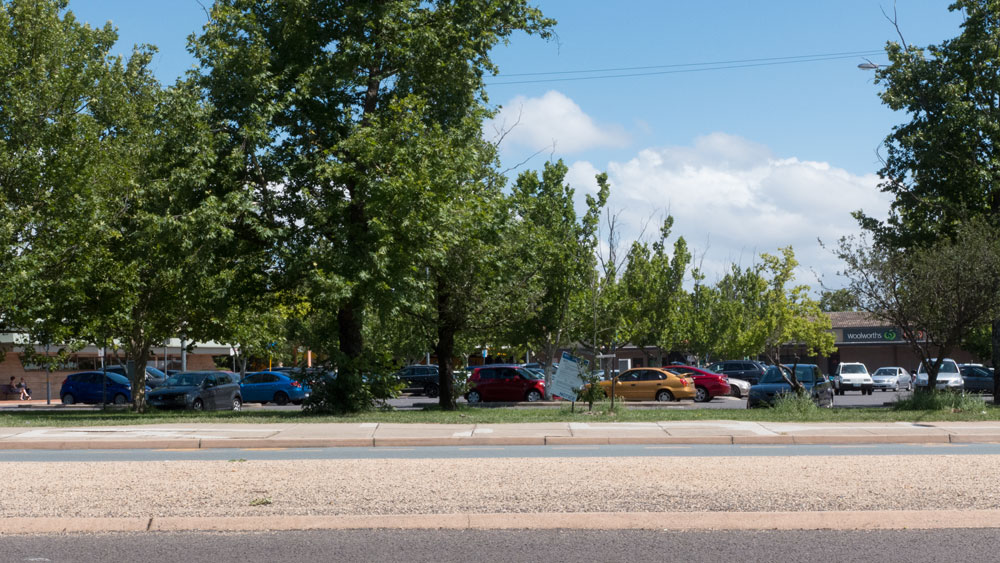
Just before Christmas the ACT Planning Authority (ACTPLA) had uploaded for comment the Development Application for the Dickson supermarket development. The original response deadline was the 27th January.
Climate Change
Corporations taking action on Climate Change
 In this week’s “Time to Wake Up” speech on the Senate floor, Senator Whitehouse described how many American companies are planning for climate change. In the speech, Senator Whitehouse shares that companies with internal prices for carbon include Microsoft, Exxon-Mobil, Disney, and Google.
Dickson Flats and Canberra Planning Madness
The madness of Canberra’s planning and development
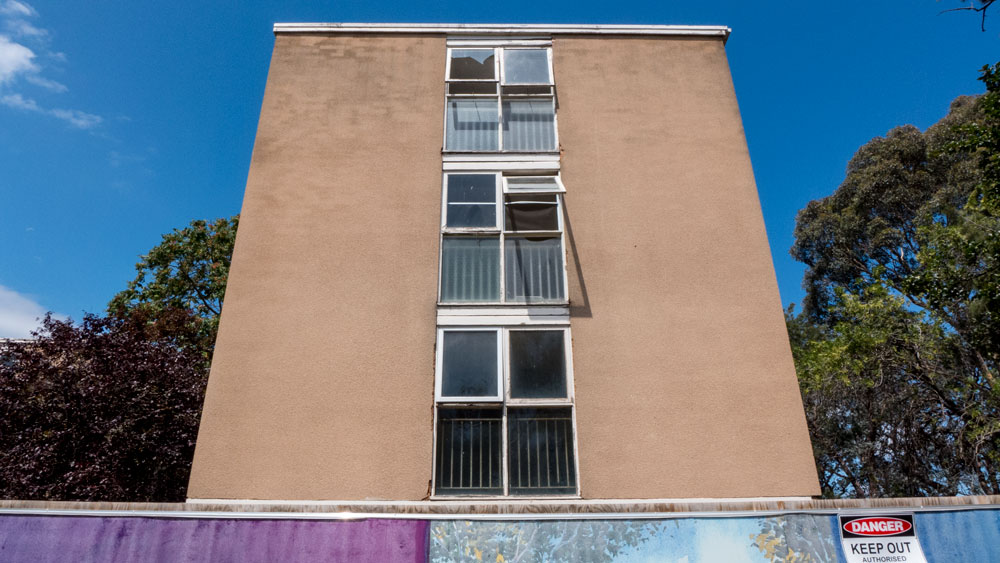 Since the 1960s there has been several rows of public housing located on the main road into Canberra. In the last year, the Dickson Flats have been listed for demolition to allow for brand new multi-unit developments. So far so good. Maybe! (pic by Paul Costigan)
Continue reading Dickson Flats and Canberra Planning Madness
Climate Change
Optimism about action on Climate Change
 There are movements around the world that indicate that actions are indeed being taken to challenge Big Coal and Big Oil. From a national government point of view, there is simply spin and pandering to the Big Corporates. Here’s an article by George Monbiot that makes it clear how evil governments can be. click here.
Dickson Shops
The debate on Dickson Shops
and how the government is squandering significant urban design opportunities
The debate continues on this significant lost opportunity to deliver good urban design in Dickson. Click on image above for a posting on RiotACT.
Dickson Shops
Planning and Development of the Dickson Shops
A bad case study in community engagement
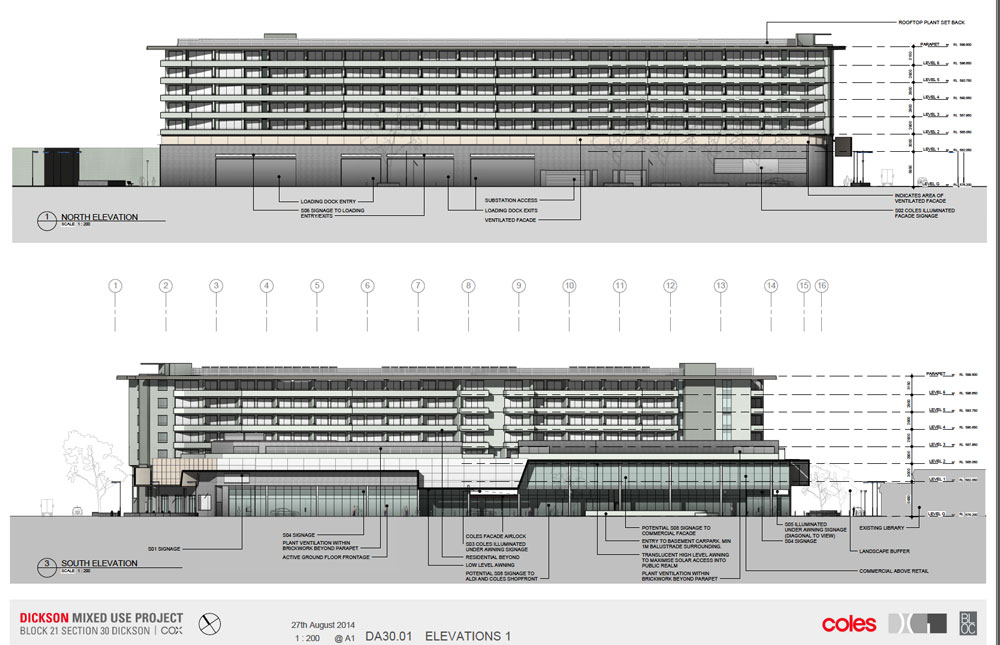
It was just days before Christmas (2014) when local residents may have noticed that a development application with big ramifications for their precinct was now available online for comment – with a month in which to submit any comments.
Climate Change

Barangaroo in 2015
Barangaroo Point to open in March 2015
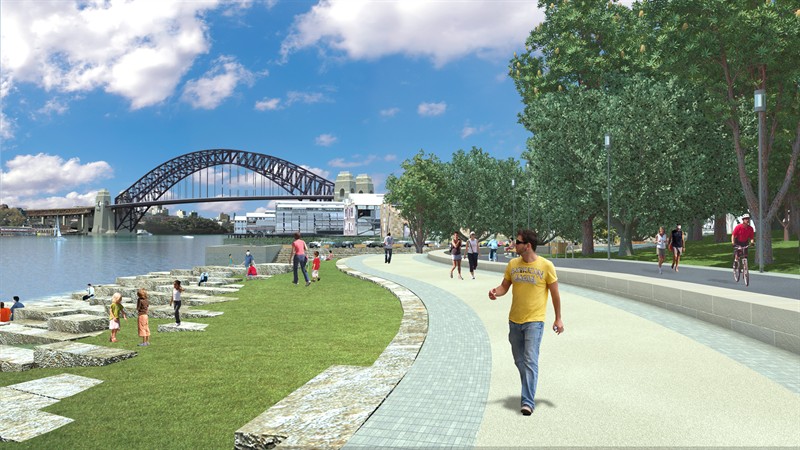
This is good news. Sydney is to have a new harbourside parkland that is due to be opened in March this year. The background to this is a wonderful story worthy of a screen play.
Climate Change
Optimism for 2015 climate change actions
 Australians have had to endure a load of stupidity thanks to current Australian national government. The worst insult to intelligence has been the constant dumb statements on climate change by their spokesperson, Tony Rabbott.
Corruption in Planning
The widespread corruption within planning agencies
 Over many years I have been observed the annual round of numerous industry events. This includes award dinners as well as seminars and conferences. Besides all the usual suspects that attend such functions, there are invitations to a cohort of government departmental officers and/or key personnel from planning and development agencies. These invitations are usually in the form of complimentary tickets.
Climate Change
Book Announcement
This Changes Everything: Capitalism Vs. The Climate,
Naomi Klein 2014
 Yet to read this, but I am listing as a suggestion for your Christmas reading and/or gift list. We have to move on climate change and I agree that it is an economic discussion, one about capitalism and corporate greed. No wonder our infamous Australia politicians want it off the agenda. It is about dealing with their mates and how they are ripping off the planet.
Planning and Development
Comment on good planning and sensitive development
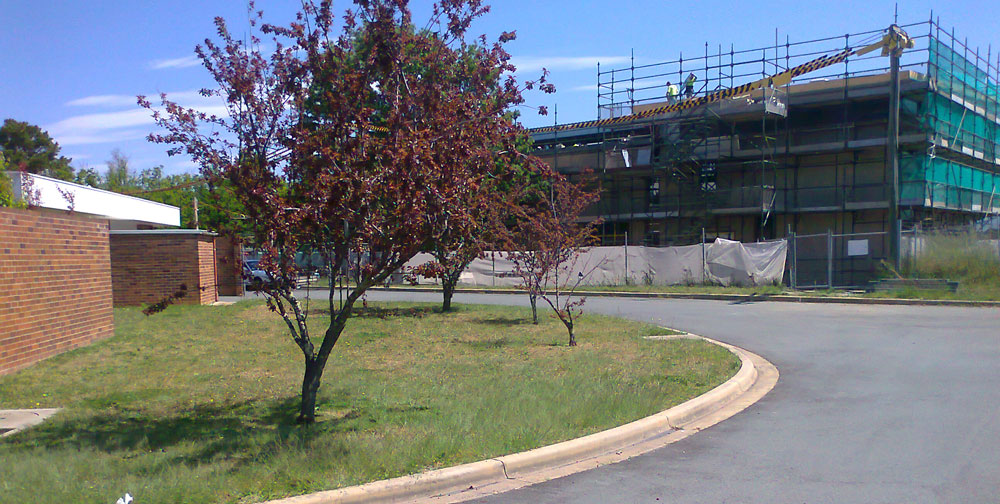 Maybe I spend far too much of my time being concerned about the crap planning and development being foisted on the local communities here in Canberra.
climate change
Comment: those were the days!
Not that you need to read anymore – but here’s a 2007 link that has the heading: Australia now stands ready to assume its responsibility in responding to the challenge of climate change, according to the Prime Minister, Kevin Rudd. click here.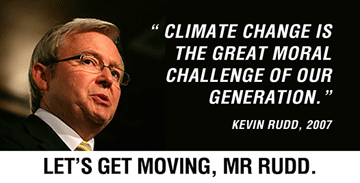 Continue reading climate change
Mega-City Living
Urban Comments
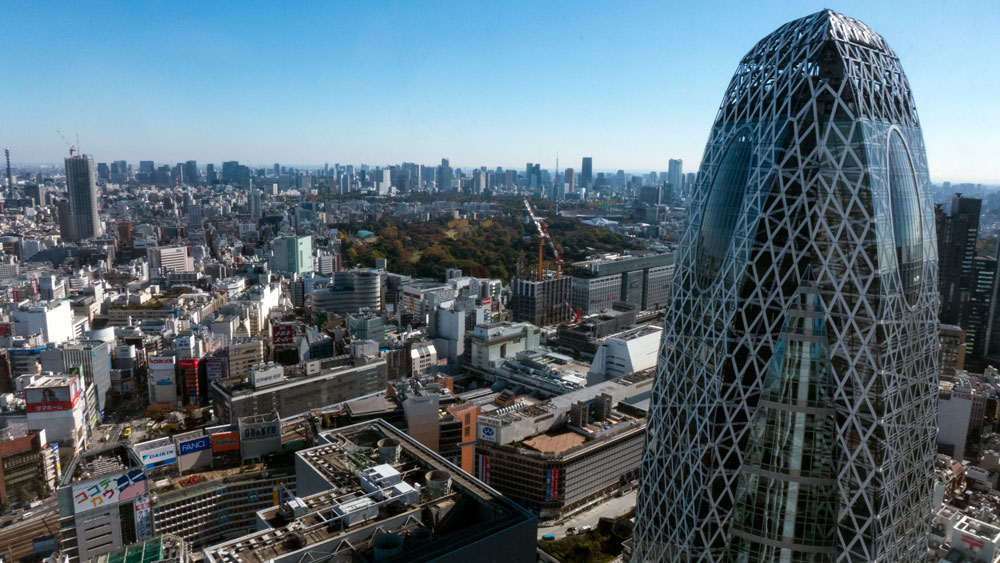 Travelling away to various super-large cities does make one think of where these cities are heading and what will life be like in decades to come as climate change really kicks in.
climate action
Comment: Action being taken on climate action
With Australia’s Rabbott government continuing to be an embarrassment both at home and internationally, it has been a welcome relief to see actions being forecasted by the Chinese Government and President Obama. While there has to be some scepticism around these political announcements, there is at least acceptance that any such agreements are significant small steps in the right direction.
Putting a Value on Community Spaces
Comment: Locals often do not get it right
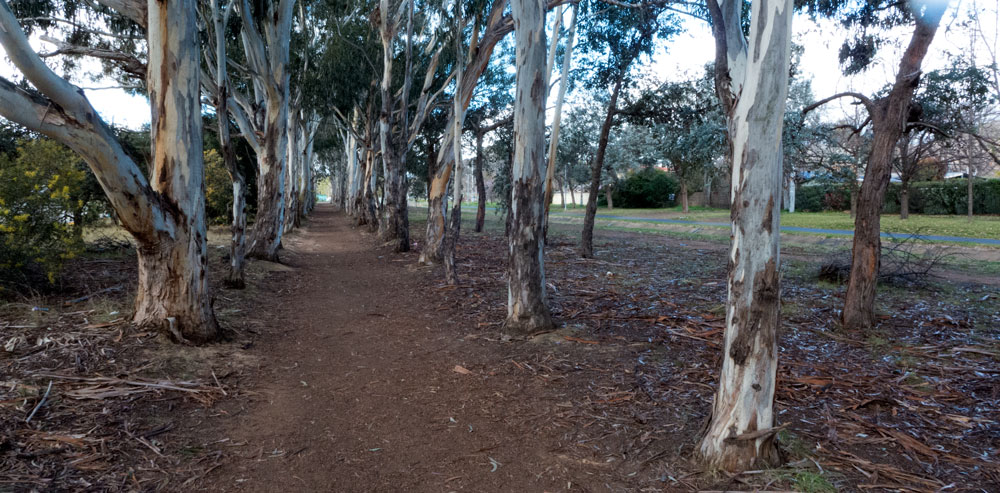 In my home suburb of Dickson in Canberra, the push is on to allow some commercial residential development on what has always been designated as a community space. The site is now known as the Dickson Parklands.
I have written about this in previous blogs – click here.
Sydney heat island effect
Photo-Essay: Inner Sydney and the Heat Island Effect
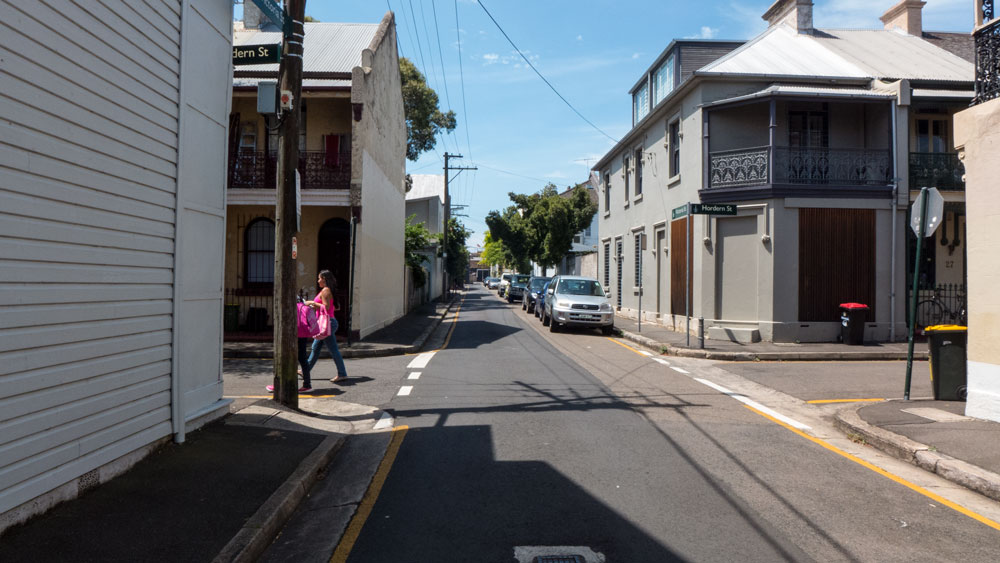 I love wandering around city streets. In Sydney recently on a typical warm day, being about 28 degrees, it was very noticeable just how much of the city’s inner streets are devoid of trees and shade.
Seven Myths About New Urbanism
Re-Posted from ThisBigCity blog
 Seven Myths About New Urbanism: Joel Kotkin, a fellow at Chapman University and an untiring defender of the suburbs, begins a recent column in the Washington Post with a valid question: “What is a city for?” He then proceeds to get that question completely wrong. But really, we should be thanking him. In his article, he neatly sums up many of the key myths emerging from the anti-urbanism set, making the job of debunking these myths a lot easier. Click here.
High Line at the Rail Yards
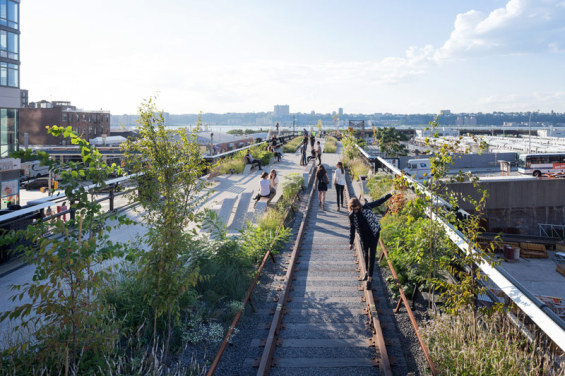
The high line just keeps on being a wonderful concept – click here for the latest developments.
—————————————————
Paul Costigan
Climate Good News
There’s no better way to say this:
 Finally, Some Good Environmental News: The Ozone Layer Is Recovering
But there are some warnings at the end of the article – click here.
Given the Australian government does not believe scientists, I wonder what they will make of this.
——————————————-
Paul Costigan
section 72 Dickson
An Opinion Piece
Dickson Section 72 – Community Consultations – 20th Oct 2014
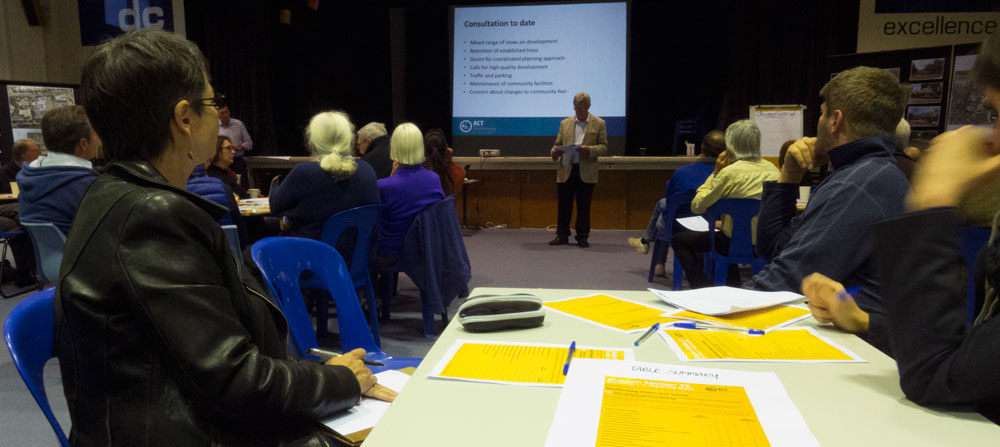 On a cool Monday evening, more than one hundred local residents from surrounding suburbs gathered in the Dickson College hall in response to the invitation to attend a workshop staged by the ACT Government.
Community Engagement
Comment: Cities Planning and the locals
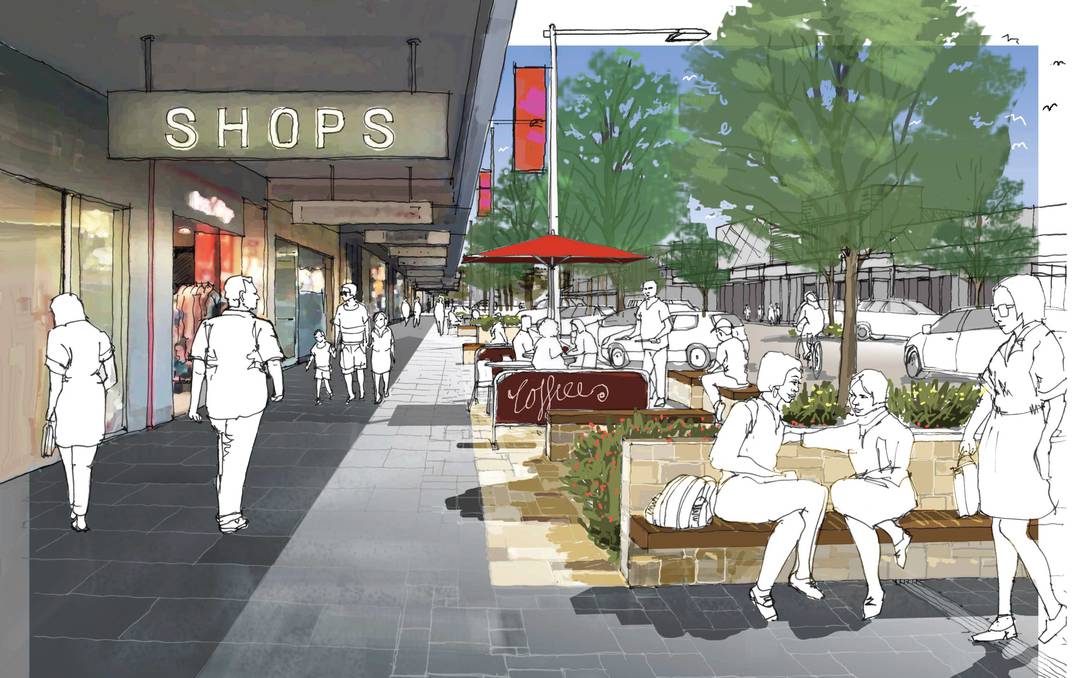
Locally the planning authority is notorious for carry out all forms of planning with no real interest in the present residents and no interest in the urban character. It is left to the developers to define how the suburbs of Canberra will look in the future.
Turkey loses green space to developers
Comment: Turkey destroys its own back-yard
Turkey is losing precious green areas and open spaces as the number and scope of construction projects continue to expand.
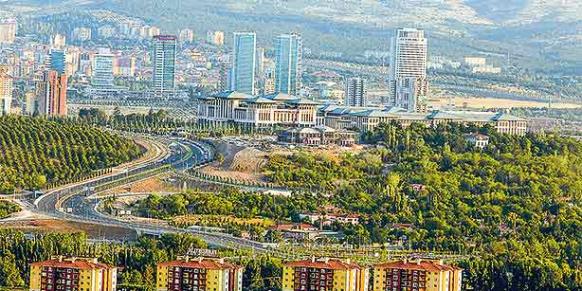
Recent construction projects launched all over Turkey have fueled public concern as they destroy not only habitat but also cultural heritage. click here
Architecture discovers the bleeding obvious
Comment: Architects realise something is wrong with cities
 Just read a short article about how an architect at the world architecture festival stated that something has gone wrong with the design of our cities!
Wow! Now there’s a revelation from the profession largely responsible for the problem.
Continue reading Architecture discovers the bleeding obvious
Big Coal
Comment: there’s hope yet on how to hinder big coal.
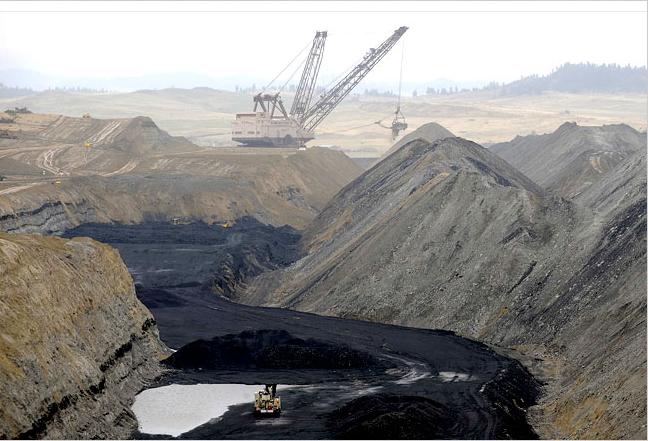 Many national governments, including Australia, persist in allowing Big Coal to influence its environmental and energy policies. However there is hope as a world-wide trend continues as corporations start to divest themselves of investments in the Big Coal companies.
Climate Change
Comments: Climate Change in 2014
 There’s talk that Vladimir Putin must be invited to the G20 Summit as it is not up to Australia to limit the attendees. The positive is that other world leaders will have the opportunity to tell Putin what they think of his aggressions.
Likewise, Tony Abbott, who is leading a dangerous government of climate change deniers, was not banned from attending the UN summits on terrorism and another on climate change.
The Norway Alternative
Comment: Australia threw away the mining wealth.
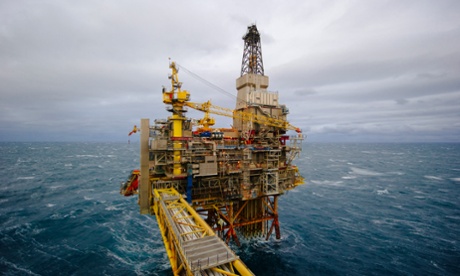
In Australia the government has completely messed up any opportunity to gain long-term economic sustainability for the country. We have just witnessed the current government do a dirty deal with another party led by a mining millionaire to do away with an opportunity for a just tax on the miners.
Going Backwards Fast
Commentary: on how the country is being trashed
 The Conversation has just completed an informative series on the range of devastating changes being made to this country.
The writers cover most topics including: health, the environment, education, migration, science and the economy. It is definitely worth the time to make your way through them.
Urban Bikeway Design Guide
Notice: Urban Bikeway Design Guide, Second Edition
National Association of City Transportation Officials (NACTO)
 The Urban Bikeway Design Guide, Second Edition, is based on the experience of the best cycling cities in the world. Completely re-designed with an accessible, four-color layout, this second edition continues to build upon the fast-changing state of the practice at the local level. The designs in this book were developed by cities for cities, since unique urban streets require innovative solutions.
To create the Guide, the authors conducted an extensive worldwide literature search from design guidelines and real-life experience.
New Garden Cities
Competition winner: for new Garden Cities
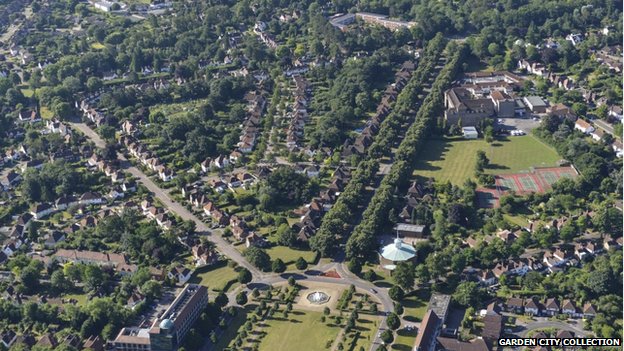
It was announced in the UK that the winner of a competition has proposed that to deal with population growth that new cities should be built nearby established ones. These would be garden cities connected back to the older city by public transport.
Guilfoyle’s Volcano
Review: Landscape
Guilfoyle’s Volcano at Melbourne Botanic Gardens
Andrew Laidlaw, landscape architect

This is a job well done. I saw an article about this and was determined to have a look. Now if only they had been sensible and given an address.
Greener London
How making London greener could make Londoners happier
an interactive map
From The Guardian: London – with all its tarmac, brick and glass – is actually 38.4% open space and ranks as the world’s third greenest major city. Now Daniel Raven-Ellison wants to go further … and make Greater London a national park. His campaign and online petition aims to have the city treated in the same way as parks like the Peak District and the Brecon Beacons, to conserve its natural beauty, wildlife and cultural heritage.
——————————–
Paul Costigan, 20 August
LA for Bikes
Los Angeles a city for cyclists?
LA wasn’t always a driver’s town. In the 1920s, it had the longest urban rail network in the world, and innovative infrastructure was built for cyclists as well. Despite this, Angelenos fell in love with the car early on and moved for more highway projects, making it the road-based city it is today.
——————————
Paul Costigan, 19 August 2014
Big Coal & The Reef
The Rabbott Government and Big Coal and The Reef
 The Guardian has published a terrifying article of just how far down this country is heading. As Tim Flannery says: The Great Barrier Reef is sick. Almost half of its coral is already dead and a massive new coal mine, which was given final approval this week, will only cause further damage. This is not just an issue for Australia, it affects us all.
—————————————
Paul Costigan, 3 August 2014
Climate and Health
Climate change challenges to health

The Academy of Science brought together young researchers and leading scientists to discuss climate change and its impacts on health.
Climate Dangers
Climate Change dangers that Australia is ignoring
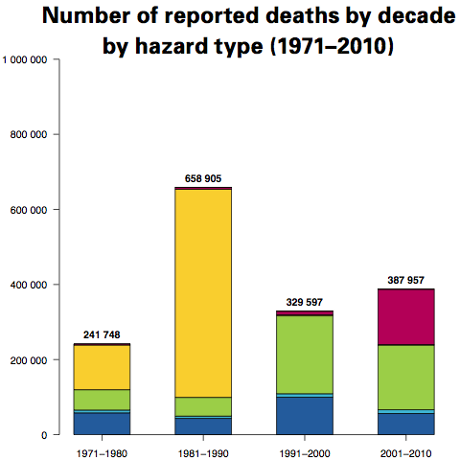 When you read the statistics on the range of dangerous changes already occurring to the planet because of climate changes, you do wonder about the stupid and dangerous decisions being made by the present Australian Government.
Suzanne Goldenberg has written that because of the changes to climate the world is nearly five times as dangerous and disaster prone as it was in the 1970s. Her reference is a new report from the World Meteorological Organisation.
Click here for that article.
————————————-
Paul Costigan, 26 July 2014
Supermarkets
The duopoly of supermarkets in Australia
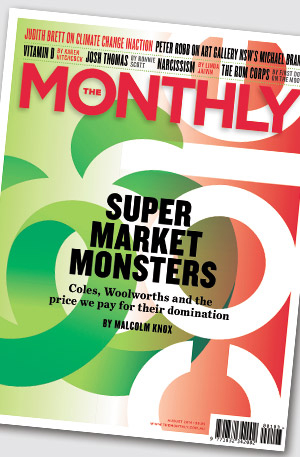 There is a very hard-hitting article in the August 2014 issue of The Monthly on how the two large supermarkets have been allowed to rip anyone and everyone off. Even more depressing is that it points to how we, as consumers, are continuing to allow this to happen.
The major point raised by the article is how this dominance of the two of these supermarkets has reduced the food security in this country.
Trust Scientists?
Naomi Oreskes: Why we should trust scientists
 Many of the world’s biggest problems require asking questions of scientists — but why should we believe what they say? Historian of science Naomi Oreskes thinks deeply about our relationship to belief and draws out three problems with common attitudes toward scientific inquiry — and gives her own reasoning for why we ought to trust science. (From YouTube)
Naomi Oreskes is an American historian of science. She became Professor of the History of Science and Affiliated Professor of Earth and Planetary Sciences at Harvard University in 2013, after 15 years as Professor of History and Science Studies at the University of California San Diego. (Wikipedia)
Al Gore
Al Gore writes on optimism in dealing with Climate Change

In an article in Rolling Stone, Al Gore provides some very welcome optimism on how we may yet deal with the coming climate change events.
The article is very very long. It takes quite a commitment to allow the time to get through it all.
It is worth it! Happy reading. Click here.
——————————-
Paul Costigan, 20 July 2014
Trees
Comment on the Art of Trees
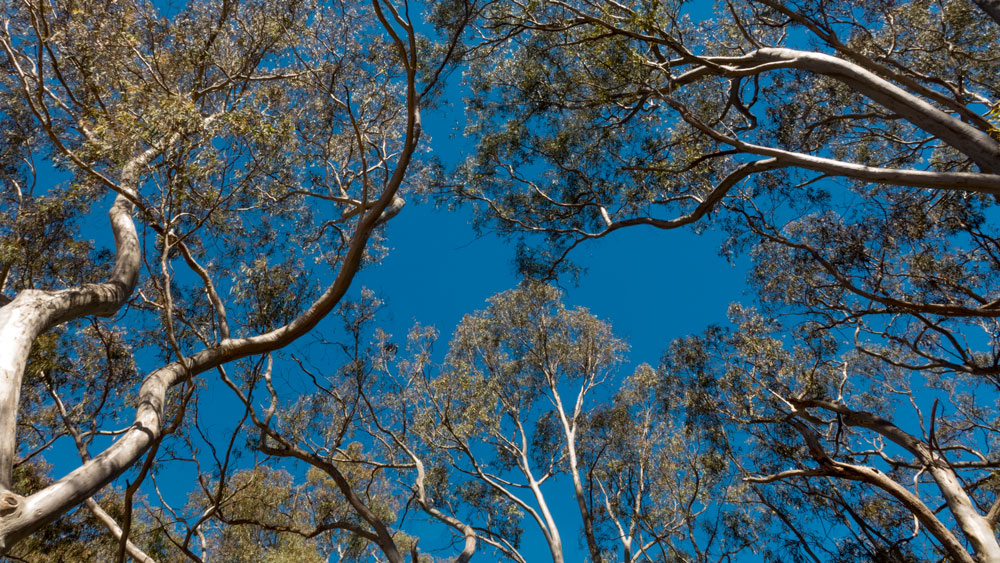
I have said it before and am happy to say so again, I live in a suburb in Canberra that has a fabulous amount of trees. The amount of trees in the public arena, streets and parks etc, combined with those throughout the residential properties delivers an ambience that is hard to explain to anyone who has not experienced it. With our local trees comes other biodiversity and heaps of bird life. Researchers have just worked this out. Click here for a story on this.
Landscape acoustic barrier
Landscape Art as acoustic barrier
 Amsterdam Airport Schiphol is located in one of the most densely populated areas of the country, and aircraft noise is a problem in the surrounding cities. Low-frequency ground noise created at take-off is especially difficult to combat because standard noise barriers are largely ineffective against it. Schiphol is implementing acoustical landscaping in the form of large ridges that dampen longer wavelengths.
Children’s Garden
Far East Organization Children’s Garden
at Gardens by the Bay in Singapore

I spotted this YouTube introduction to the Far East Organization Children’s Garden at Gardens by the Bay in Singapore.
Capability Brown
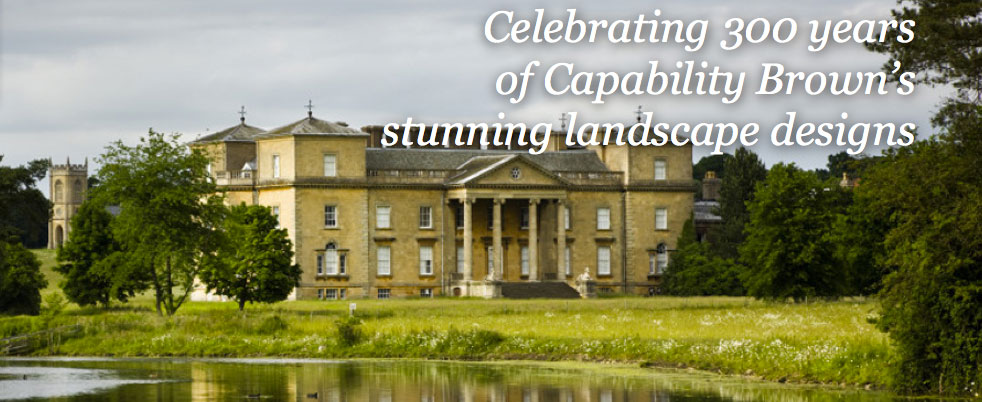
Celebrating 300 Years of Capability Brown
click on the image below
Urban Trees
Comment and UK Research
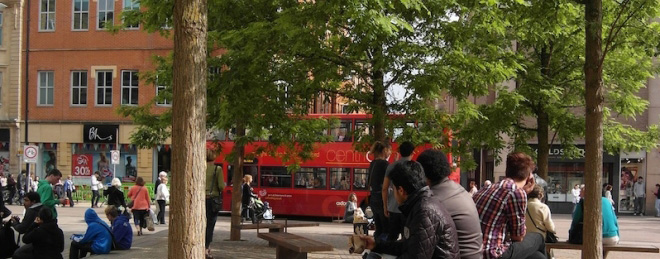
I have the benefit of living in a suburb with plenty of tree cover. In fact the view outside onto the streets is almost as if the street is a parkland. The concept that any suburb should have an abundance of trees and shrubs and associated bio-diversity is simply so logical that one wonders why would anyone think otherwise.
Vertical Garden
Review: Landscape Design and Vertical Garden
A-Mazing Vertical Garden, Da Nang City, Vietnam
 I came across this garden when looking through the short listed projects for the World Architecture Awards to be announced in Singapore in early October 2014. At first I was very impressed with the technical qualities and that it was a form of the old fashioned maze, but done with plants in a more sustainable manner.
I later searched for more on this and realised that it was very much a decorative maze in a resort in Vietnam. The resort being a re-use of a former French colonial resort. Below I have given a report on this garden from World Landscape Architecture.
Value Landscape
How can we work with the landscape to make liveable places?
How the liveability of our cities means designers and planners working with the landscape rather than against it.
A video, about six and half minutes, introducing the concept of valuing landscape and the link to liveable settlements.
Climate Change
A report from Bill McKibben
Reporting on the possible end game in Climate Change – three books mentioned.

Sustainable Sites
Announcing new Tools
The Sustainable Sites Initiative 2014

The Sustainable Sites Initiative (SITES™) is a program based on the understanding that land is a crucial component of the built environment and can be planned, designed, developed, and maintained to protect and enhance the benefits we derive from healthy functioning landscapes. Sustainable landscapes create ecologically resilient communities better able to withstand and recover from episodic floods, droughts, wildfires, and other catastrophic events. They benefit the environment, property owners, and local and regional communities and economies.
GoodBye Big Coal
Report Just in
Utilities wake up to threat of mass grid defection
A report on that the wake up call may at last have been heard by some of the energy suppliers.
As the reality hits home, some energy companies are realising that coal based energy may not be as a sustainable business model as the proposed by Australia’s foolish Prime Minister.
Urban Beauty
Opinion Piece from PLANETIZEN
Does Beauty Still Matter?
Dealing with contemporary planning agencies has become a very stressful task for any person with concerns for their immediate and future urban environments.

Melbourne’s Urban Forest
City Council policy to address Climate Change
Always good to check if any Australian City Councils are taking actions and setting targets despite the dangerous attitude of our Federal Governments.
Melbourne City Council has an Urban Forest Strategy to increase markedly its tree coverage across the city (remembering this is the inner city council – who knows what the rest are doing!).
Urban Agriculture
From ASLA The Dirt: Is Urban Agriculture Utopian?
(part of the series on the 2014 Environmental Design Research Association (EDRA) conference
“Urban agriculture is a phenomenon today,” said Farham Karim, an architectural historian at the University of Kansas, at the Environmental Design Research Association (EDRA) conference in New Orleans. Upwards of 70 million people are now involved around the globe — on Farmville, at least, the popular game app, he laughed. But, in reality, there are many tens of millions farming on the ground, too. With all the growing interest, Karim played devil’s advocate, wondering: is urban agriculture scalable? And who is going to be doing all this urban farming? And if we know it’s not a cost-effective solution for solving the world’s food problems, why the persistent interest?
click here for the full article.
————————————
Paul Costigan, 17 June 2014
Sydney Urbanity & Architecture
Is architecture is failing contemporary Sydney? Part One
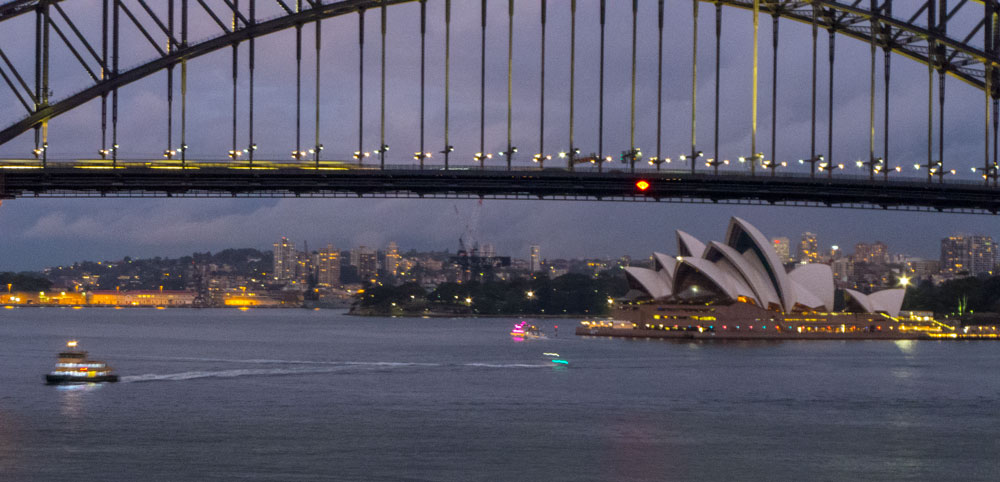
There is no doubt that the City of Sydney and its harbour are magnificent to behold. (click on the photo to enlarge). The mix of built structures really makes for a view that demands you take the time to stare, contemplate and to just enjoy it for as long as it takes. However…..
Canberra Urbanity & Development
Recent Canberra Government development announcements
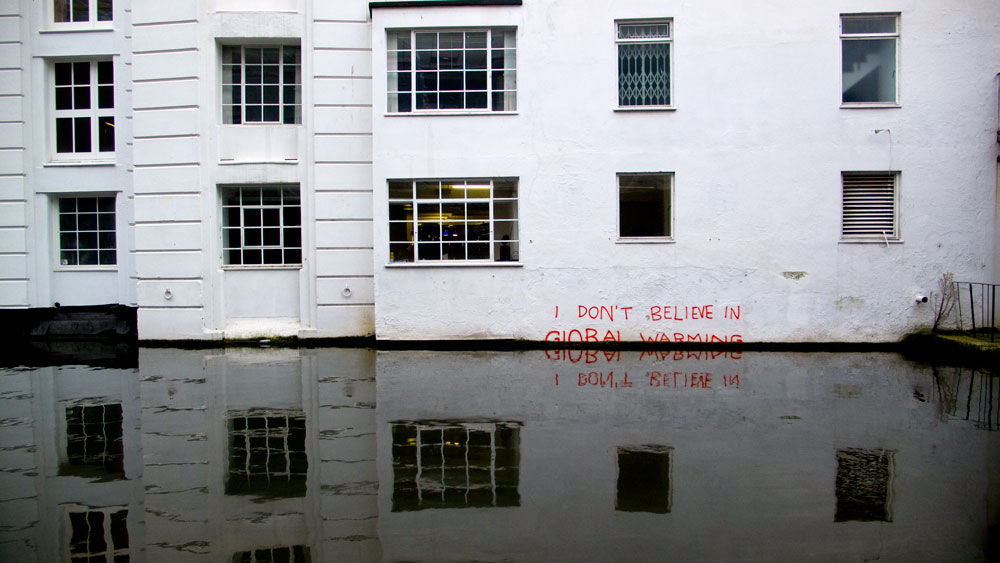
In recent weeks and months there have been several significant development proposals announced by the territory (ACT) government in Canberra. If all the government’s ambitions come to fruition then residents about to witness some very serious alterations and additions to the make-up of several parts of the inner city urban fabric.
Home Wind Power
Report on domestic wind power turbine
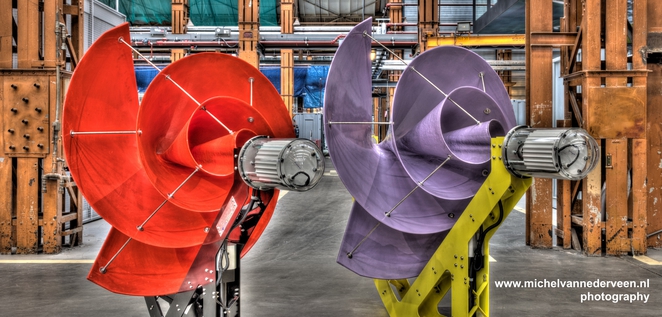
Silent rooftop wind turbines could generate half of a household’s energy needs
climate and insurance
from the Guardian
article about climate impacts on property
Consumer and climate experts say extreme weather could raise insurance premiums and lower property values. This is something still being ignored as too many people have allowed the federal government misinformation campaigns to distract them from addressing these devastating issues. click here
—————————
Paul Costigan 5 June 2014
Urban Agriculture
Urban Agriculture – one part of the solution
from The Guardian, Designing cities and factories with urban agriculture in mind. The Netherlands offers inspiration for designers looking to create environments that harvest water, energy and nutrients.
Urban farms are transforming inner city spaces – rooftops, infrastructure, streetscapes, building skin – into generative ecologies that support the lives of people, and pollinators too. They are bringing into cities, and into plain view, the natural systems that sustain urban life
Car Parking
Using Parking Meters in Climate Change
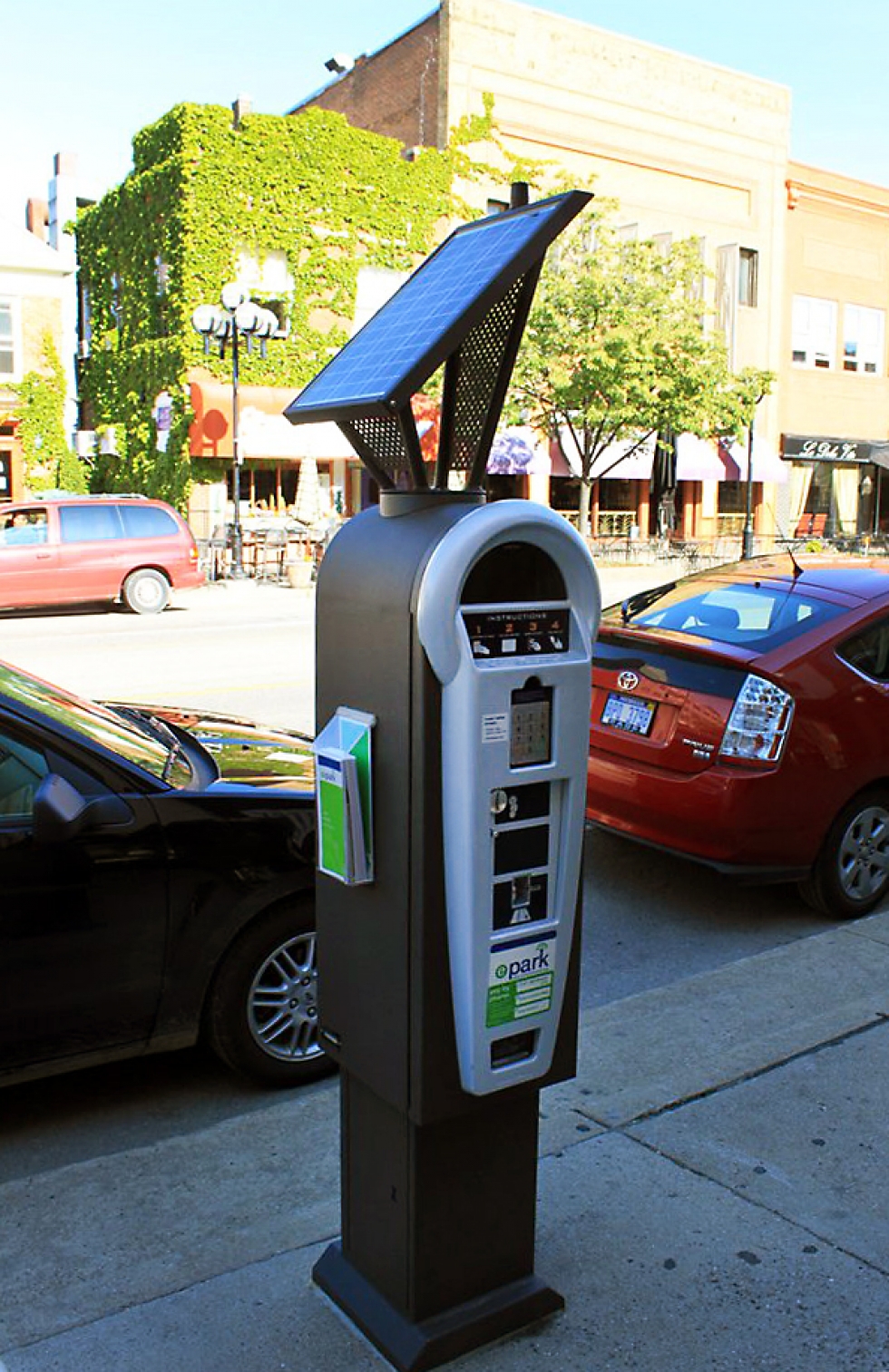 There are all sorts of stories in circulation in Canberra as a result of the decision to introduce paid parking for all areas within the Parliamentary Triangle. This has a big impact on those who work in the area. Some public servants are devising clever tricks to continue to have free parking.
This will also mean that visitors will now have to pay to visit the national institutions and have limited time to visit. This could be a marked change in how visitors regard the national cultural institutions. I know as a local, it will mean less visits to these institutions.
Value the Landscape
Using inappropriate systems to place a value on landscape and things of value.
There’s an article in the Guardian by George Monbiot titled:
Can you put a price on the beauty of the natural world?
Those who reduce nature to a column of figures play to an agenda that ignores its inherent value – and seeks to destroy it
To which one response online was: Great article George.
Big Coal Stumbles
Big Coal Chief has brawn but no brains
The same crowd that managed to assist in bringing down the Rudd Labor government when the government proposed a tax on the riches being ripped out of the country, have just introduced an online promotion to bring together those in favour of Big Coal and its future.
Sadly for Big Coal have entered the democratic world of online chats and twitter. The full story is told in the Guardian – click here. Enjoy and chuckle at the expense of the not so bright chiefs of Big Coal.
solar power
Rooftop solar and Australian politics
There’s evidence appearing about the take up of solar may in fact continue to expand and become fully part of the country’s source of electricity. This is amazing given the on-going vicious and well-funded campaigns being carried by Big Coal and their allies in the present Australian Government.
The next big trick is to get solar to be a key issue at the coming elections, both state and federal. With many of the subsidies now being removed, those who have solar are starting to notice how they are being duded by the Big Coal electricity companies who do not want solar to succeed.
There’s a very good article online titled: Rooftop solar may be ‘sleeping giant’ of Australian politics – click here. It is worth a read to gain an update on this debate and some facts on the current rip offs underway.
———————————
Paul Costigan 14 April 2014
Climate inAction
About climate action – or climate inaction
A piece from the New Yorker that again points out that the time for action on climate change is now but that inaction has actually become the norm. So many politicians have come to office on the back of statements on climate change, yet here we are in 2014 with no significant actions being undertaken to realistically deal with climate change.
The really sad part is, as pointed out in the article, the longer we allow our national governments to sit on their hands, then the harder it will be in the coming years as the problems will have worsened and become far more difficult to deal with. It seems we are all waiting for someone else to solve this problem.
Eventually of course, someone or at least something will. That will be the planet that rejects the dangerous race called humans.
Here’s the link to the New Yorker article – click here
Food Security
Australia needs to listen to the warnings about its food security.
From the Independent Australia Blog comes the warning about food security.
The latest report from the United Nations Intergovernmental Panel on Climate Change paints a grim picture for the future of Australia’s food security.
Food security is an issue that must be carefully and comprehensively addressed by our government as a matter of critical forward planning. And it must be given priority over trade “arrangements” that may have attractions now, but which will limit the government’s policy options when current circumstances change, which all indicators point to being soon.
Sustainable Cities
World Urban Forum Highlights Opportunities for Sustainable Cities
In a blog on the Huffington Post, the authors point out the obvious. That is, obvious to those who are looking and care as opposed to too many who are presently making decisions about cities and sustainability.
The evidence is there. Design well and all the benefits can follow. Design badly, which is too common, and all the inequities and unsustainable practices come to the fore. As the authors say:
Well-designed cities generate jobs, innovation, and economic growth for all. But when designed poorly — with too much sprawl, waste, and inefficiency — they can divide cities and exacerbate pollution, inequality, and political instability. Moreover, poor design has long-term consequences given that urban infrastructure often lasts decades. Continue reading Sustainable Cities
Media and Climate Confusion
The role of the Media in confusion over climate change action
As reported many times, the current mainstream media has become part of the problem in encouraging the world to act urgently on climate change.
In Australia it has become painfully obvious that media, such as our own ABC, has gone far too far in providing what they term as ‘balance’. The voices of the scientists and the weight of their reports and the mountains of evidence is ‘balanced’ by the time given to complete skeptics and their lack of scientific evidence.
Main street & human-scale
City main street networks show a drastic shift away from historic patterns of human-scale design
Have you ever wondered why some places seem built for automobiles as opposed to humans?
In a recent study, J. Alexander Maxwell and fellow researchers from the University of Strathclyde’s Urban Design Studies Unit find evidence that before the rise of the automobile, cities developed on a walkable “human” scale, with main streets that rarely exceeded 400 meters (a little more than 437 yards).
Along with Charles R. Wolfe, they argue that this uniformity reveals an underlying pattern to pedestrian city settings, which should be considered in contemporary urban design and policies.
LA in 2033
From The Huffington Post
The Huffington Post presents a wonderfully optimistic report about a city that is often regarded as being a terrible example of urban development. I disagree. It has many things wrong with it but if you spend time there you can see that there are some really great things happening. All cities have their problems and many do not much to boast about.
wetlands
Comment: Wetlands and Climate Change Adaptation
Australia has a very mixed understanding and relationship with wetlands. I happen to be fortunate to live close to one. This came into existence just a couple of years ago when the local government transformed a disused and degraded parkland into a wetland attached to an old style concrete drain.
This wetland was part of a series of several wetlands installed into the inner northern suburbs of Canberra. Our hope is that one day the same local government will take on the challenge of enlarging the nearby wetlands to include much of the concrete drains through the inner northern suburbs. This would then be then be a linear park and wetland that would wind its way through several suburbs and increase the amount of green infrastructure. It would also be a wonderful walkway and increase the chances of locals getting out and walking.
Equity & Parks
Urbanity: Parks for everyone
There’s many a piece of research and publication about the links between access to parks and people’s health and wellbeing. Any urban area that includes ample public green spaces will always be sought after and the benefits are evident in the community attitudes towards their residential areas. Parks enhance the sense of community.

Most Australian urban areas usually have had parks provided as part of the urban infrastructure. However in too many cases these parks and open spaces end up not being maintained well and sadly many also become places of neglect.
Public Transport Facts
Public Transportation Use is Growing — the Facts
Two reports on the rise in the use of public transport in the USA.
First – set out below is a March 2014 media statement from the On March 10, 2014 by the American Public Transportation Association. or – check out the original on the association’s own web site – click here.
The second is an article in the New York Times, March 10 2014: Use of Public Transit in U.S. Reaches Highest Level Since 1956, Advocates Report – click here
Climate and Soils
Soil as Carbon Storehouse: New Weapon in Climate Fight?
From environment360, by judith d. schwartz
The degradation of soils from unsustainable agriculture and other development has released billions of tons of carbon into the atmosphere. But new research shows how effective land restoration could play a major role in sequestering CO2 and slowing climate change.
Soils of the world must be part of any agenda to address climate change, as well as food and water security. There is now a general awareness of soil carbon, an awareness that soil isn’t just a medium for plant growth.
click here for the full article
Technology and Conservation
How Technology Is Transforming Conservation
from the online – Foreign Affairs, April 2014
Conservation is for the first time beginning to operate at the pace and on the scale necessary to keep up with, and even get ahead of, the planet’s most intractable environmental challenges. New technologies have given conservationists abilities that would have seemed like super powers just a few years ago.
global system unravel
industrial civilisation headed for irreversible collapse
global system unravel
The evidence is out there. “A new study sponsored by Nasa’s Goddard Space Flight Center has highlighted the prospect that global industrial civilisation could collapse in coming decades due to unsustainable resource exploitation and increasingly unequal wealth distribution.”
Yet governments continue to play down the message in order for short term political gain. The article is definitely worth a read, not to become alarmed, but to become more informed of the need to rethink the way we do business. click here.
Green Roofs
Green Roofs and Urban Design
I remain skeptical about all the hype around green roofs and green walls. This is not to say that when delivered comprehensively, that green roofs can be very effective in reducing temperatures of the buildings. It is more that so many of the current crop of green roofs and green walls are token add-ons.
Despite the hype by the building companies and their contractors about how wonderful particular green walls and roofs are, many are superficial and deliver very limited benefit, if any. When done properly, a green roof can be a contributor to the green infrastructure of urban areas.
Watching the World Change
PBS deals with the Big Coal myths
PBS dives headfirst into the myth of clean coal and pretty much tears it apart using something we don’t often see these days when it come US energy issues: facts. And the most complete take-down of “clean coal” in the segment came from the CEO of the second largest coal electricity company in the US.
see the report on the program (not available online to Australia) through the web site – Coal is Dirty – click here.
Climate Terminology
Climate Change Terminology
It’s all in the words we use
Variability in terms is a product of government climate
About a decade ago, when some of us were attempting to get the issues of Climate Change to be the basis for the debates on sustainable settlements, it was curious to see the distractions being manufactured in order to avoid taking these debates as comprehensively as they needed to be.
The most ardent opposition to a simple us of language actually came from particular academics who should have been the ones leading the charge to have clear and precise arguments. I suspect that despite their so called concerned views, the overriding pressure was that they were in fact part of large corporations, called universities, that had yet to step up and tackle the then conservative government’s point of views on climate change.
Big Food
Big Food and Sugar
From the Guardian – and article titled:
Big Food is in wilful denial about the harm sugar does to our children
Somewhere on the back seat, a child asks: are we there yet? Is the world safe for me?
The adults present respond: Not Yet. Must be just around the corner.
Climate Council Report
Climate Council Report: The Angry Summer
Continuing hot on the heels of the ‘Angry Summer’ of 2012/2013, Australians again endured record breaking extreme events this summer.
The Climate Council’s report provides a summary of extreme weather conditions in the 2013/2014 summer, illuminating a continuing trend of hotter summers and more weather extremes in Australia.
click here for more on the 2014 Angry Summer Report.
Happy City
Reviews: Book
Happy City, Charles Montgomery, 2013
 From the blurb online:
“A brilliant, entertaining and vital book. Montgomery deftly leads us from our misplaced focus on money, cars and stuff to consider what makes us truly happy. Then everything changes – the way we live, work and play in humanity’s major habitat, the city.” – David Suzuki
After decades of unchecked sprawl, more people than ever are moving back to the city. Dense urban living has been prescribed as a panacea for the environmental and resource crises of our time. But is it better or worse for our happiness? Are subways, sidewalks and tower dwelling an improvement on the car-dependence of sprawl?
for more on the book – click here – or for a full review – see the article in Metropolis Online – click here
The UK Olympic Park
YouTube presentation – The Olympic Park: a Landscape Legacy
a presentation put online by the UK Landscape Institute. Enjoy!

Urban Sustainable Development Goal
Why We Need an Urban Sustainable Development Goal
To quote from the article on The Nature of Cities” : The arguments for an urban Sustainable Development Goal are many. Urbanization has the ability to transform the social and economic fabric of nations and cities are responsible for the bulk of production and consumption worldwide, and are the primary engines of economic growth and development. Roughly three-quarters of global economic activity is urban, and as the urban population grows, so will the urban share of global GDP and investments.
The right to development for low-income and middle-income countries can only be realized through sustainable urbanization that addresses the needs of both rural and urban areas. It must also be recognized that cities are home to extreme deprivation and environmental degradation with one billion people living in slums. In many countries the number of slum dwellers has increased significantly in recent years, and urban inequality is deepening. see the full article here
climate action
Extreme weather is ‘silver lining’ for climate action
In an article from the Guardian, Christiana Figueres speaks optimistically of the effect of the numerous devastating weather events should have on political decision making on how to deal with climate change. Obviously she has not yet learnt that there are people in this world such as those who presently hold the power in Australia on these matters. I am not here referring to the idiots we have in the government, such as the Rabbott, but those who are the real puppet masters.
Nevertheless, I agree with her thrust that this matter is at last moving to another level of government thinking and that maybe now they may take action. Here is the link to the Guardian story – click here