Book Review: The End of the Enlightenment
The world population in 1700 was 600 to 680 million. the European population around then was around 127 million. How many of these earthly beings were aware of the debates centred on the philosophies of the enlightenment?
There is no doubt that in the west there was a move away from the practice of going to war with your neighbour being a natural thing to do. Religion played a large part in everyone’s lives and was linked back to those in government.
So much has been written about the enlightenment movements of the 17th-18th century and its basic principles: such as that reason was the primary source of authority and legitimacy. The genral consensus was that the enlightenment challenged tradition, superstition, and established religious dogma. Instead it promoted ideals of individual liberty, religious tolerance, and scientific empiricism – facts!
but what happened? For instance we now have the USA with its off the wall political movements with their ever growing links to religions – both mainstream and weird. We have the cult of Trump. The UK and Europe have their share of weirdo in government and the UK is still overseen by a king who is also the head of the english church.
The reality is that a lot has changed for the better for many people since the 17th century. But a lot of the world is not a good place to live – and to try to stay alive.
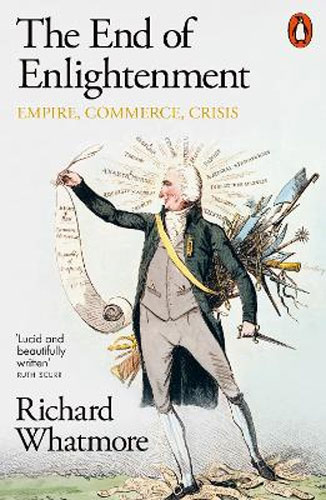
I bought the book The End of The Enlightenment thinking it may enlighten me on what happened. That is, if over three centuries ago this movement took hold, why are we where we are today?
Was it a myth that the enlightenment changed the whole world significantly?
The book provided an interesting first chapter about David Hume and his political life and endeavours in the 18th century. This was in England. After that the book takes you on a journey to revisit the lives of other mainly English political figures who were involved with enlightenment thinking.
The book soon pointed out that the enlightenment ‘failed’ or at least was circumvented by all the usual systems of establishment – from the royals to those of the mercantile class who were simply interested in profits at the cost of anything and anyone that may have been a hindrance to their profits. It so it has been more or less ever since.
The book was of interest, but as I made my way into later chapters, I skimmed the pages and eventually gave up. I am not that interested in English political history of the 18th century.
There was a reality outside the English society classes and the enlightenment was limited in its impact outside those closed societies in England. This book did not say much about the rest of the world.
My rating: 2 out of 5.
This book will soon be off to a second hand dealer.